The thing about driving from Yellowstone to Grand Teton is that nobody tells you about the construction delays.
I’ve mapped this route maybe seven or eight times now, and every single trip has this moment where you’re sitting in your rental car watching a flagman wave traffic through a single lane near Moran Junction, and you’re thinking about how the guidebooks promised “seamless scenic corridors” and “uninterrupted wilderness vistas.” The reality is messier—which, honestly, makes it better. You’ll pass through the John D. Rockefeller Jr. Memorial Parkway, roughly 8 miles of protected land that connects the two parks, and if you time it wrong (say, mid-July around 2pm), you’ll hit every single RV caravan heading south. But here’s the thing: those delays force you to actually look around, and that’s when you notice the burned lodgepole forests from the 1988 fires, now regenerated into these weirdly uniform stands of young pines.
The camping situation is where most people mess up. Bridge Bay Campground in Yellowstone has something like 432 sites, but they fill by 11am during peak season (mid-June through early September, give or take a week). I used to think showing up at 10:30 was safe—turns out that’s when you get the overflow spots near the bathroom facilities, which means generator noise until the 8pm quiet hours kick in.
Why the South Entrance Strategy Actually Works for Multi-Park Camping Logistics
If you’re doing the whole loop—Old Faithful, Grand Prismatic, then down to Jenny Lake—you want to base yourself at Gros Ventre Campground in Grand Teton for at least two nights. It’s the largest in the Teton system (around 350 sites), sits at roughly 6,600 feet elevation, and stays open longer than the others (early May through early October, depending on snow). The riverside sites (numbers 180-220, I think?) are worth the extra driving to secure. People complain about it being far from the main attractions—it’s about 12 miles to Moose Visitor Center—but that distance is exactly why you can sometimes snag a spot without a reservation.
Wait—maybe I should mention the backcountry permits.
Yellowstone’s backcountry fills up six months in advance for anything near Lamar Valley or the Thorofare region. Grand Teton’s system is slightly more forgiving but requires you to understand their zone structure—they’ve got these cascading permits where you can request up to three sequential nights but your first-choice camp might be in Zone 3 while your backup is in Zone 7, which makes no logistical sense if you’re trying to summit Static Peak and then hike out via Death Canyon. I’ve definately spent entire evenings staring at their permit map trying to create a route that doesn’t require backtracking 9 miles uphill. The ranger at Jenny Lake told me last summer that most people don’t realize you can’t camp within 200 feet of trails or water sources in the Tetons, which eliminates like 40% of the spots that look good on the map.
What Nobody Explains About the Wildlife Traffic Jams and Their Impact on Your Daily Mileage Calculations
You cannot plan around bear jams.
I’ve tried. Last September I built this beautiful itinerary—dawn at Hayden Valley, breakfast at Canyon Village, then down to West Thumb by noon for the drive south—and we didn’t leave Hayden until 11:30 because a grizzly sow with two cubs spent 90 minutes digging for roots maybe 80 yards from the road. Every car within a 2-mile radius stopped. People stood on their door frames with telephoto lenses. The Park Service sent rangers to manage the crowd, which somehow made more people stop because they figured something really good was happening. By the time we got to Grant Village, the lunch rush had cleared out, which was actually lucky, but it threw off the whole afternoon. The lesson isn’t to avoid wildlife—that’s the whole point of going—but to add maybe 25-30% buffer time to every single driving estimate you make.
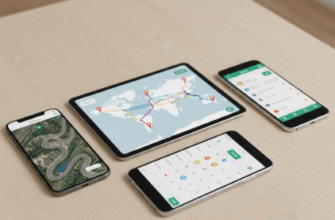
The cell service situation is worse than you think, by the way. Verizon works okay near Old Faithful and around Jackson, but once you’re between Madison Junction and Norris, you might as well be in 1987. I met this couple at Colter Bay who’d been trying to recieve a work email for three days and kept driving to different parking lots looking for signal. Honestly, lean into it—download your maps beforehand (the offline features in Google Maps actually work decently well for the main park roads), and just accept that you’re going to miss a few group texts.
The Actual Costs That Travel Blogs Conveniently Forget to Mention in Their Budget Breakdowns
Park entrance fees are $35 per vehicle for seven days, but if you’re doing both parks that’s still just one fee since they’re managed together under a single receipt. Where it gets expensive is the showers—most campgrounds charge $3-5 for maybe eight minutes of lukewarm water—and the camp store groceries, which run about 40% higher than whatever you’d pay in Jackson or West Yellowstone. I guess it makes sense given the logistics of getting supplies into these places, but a box of granola bars shouldn’t cost $11. Fuel is similarly inflated; the Chevron at Grant Village was something like $4.89/gallon last time I filled up, which was nearly a dollar more than outside the park. If you’re towing anything or driving one of those Sprinter van conversions everyone seems to have now, budget an extra $60-80 just for gas beyond your normal calculations.