I used to think the Clearwater River Grade Drive was just another forgettable stretch of Idaho highway until I actually drove it.
The thing is, this route—officially Forest Service Road 250, though locals still call it the Lewis and Clark Back Country Byway—traces a path that the Corps of Discovery took in September 1805, when they were basically starving and desperate to reach the Columbia River. They’d already crossed the Bitterroots, which nearly killed them, and now they were stumbling down through what would later become the town of White Bird, following the Clearwater River downstream. The Nez Perce people fed them, gave them directions, and probably saved the entire expedition from collapsing into a footnote of American history. But here’s the thing: driving this route today, you’re not just retracing steps—you’re seeing a landscape that hasn’t changed all that much in 220 years, give or take. The basalt cliffs still tower over the river, the canyon walls still trap heat in summer until it feels like you’re driving through an oven, and the grade itself still drops roughly 3,000 feet over about 60 miles, depending on which trailhead you start from.
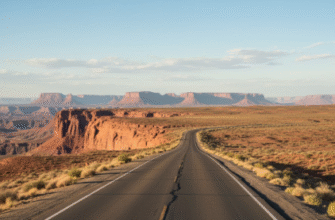
Anyway, I guess what strikes you first is the emptiness. White Bird itself has maybe 100 people, and once you leave town, you might see one or two cars over the next three hours. The road follows the old railroad grade that was built in the early 1900s to haul timber and ore, but the tracks are long gone now, leaving behind this smooth, wide path that feels almost surreal in its isolation.
When the Landscape Stops Being Romantic and Starts Feeling Genuinely Unsettling
Wait—maybe I’m romanticizing this too much.
The truth is, this drive can be exhausting. The dirt road kicks up dust that coats everything, your car starts overheating if you’re not careful, and cell service disappears the moment you leave White Bird. I’ve seen people turn back after 20 minutes because they didn’t bring enough water or because the idea of being that far from help suddenly felt less adventurous and more reckless. Lewis and Clark’s journals from this section are full of complaints—dysentery, exhaustion, horses slipping on the steep trails. They ate portable soup, which was apparently as disgusting as it sounds, and traded with the Nez Perce for dried salmon and camas roots. The Nez Perce, meanwhile, were probably wondering why these pale strangers were so unprepared for basic wilderness survival. Honestly, reading those journal entries while sitting in an air-conditioned car with a cooler full of snacks feels absurd, but it also makes you realize how thin the margin was between success and disaster for that expedition.
The river itself is deceptively calm in some sections, then suddenly churns into whitewater around basalt outcrops.
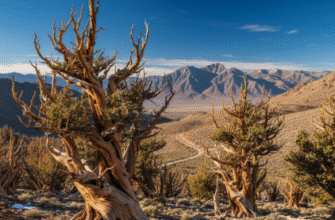
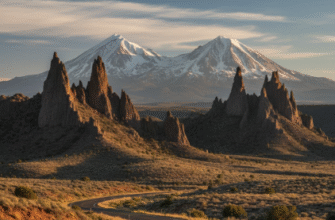
Here’s the thing, though: the grade isn’t just a scenic route—it’s also a geological textbook. The Clearwater River carved this canyon through layers of Columbia River basalt, which erupted something like 15 million years ago in a series of floods that covered huge swaths of the Pacific Northwest. You can see the individual lava flows stacked on top of each other in the canyon walls, dark gray bands separated by thin layers of reddish soil where plants briefly reclaimed the land before the next eruption buried everything again. I used to think basalt was just boring black rock, but when you see it on this scale, folded and fractured and weathered into these weird columnar formations, it starts to feel almost alive. The Nez Perce have lived in this region for thousands of years, and their place names reflect a much deeper understanding of the land than anything Lewis and Clark managed to document in their hurried notes.
Turns out, the most interesting part of the drive isn’t even the Lewis and Clark connection—it’s the feeling of moving through a place that refuses to be tamed.
Why You Might Definately Regret Skipping This Road (Or Why You Might Regret Taking It)
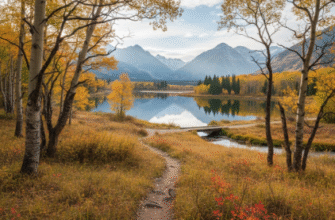
The grade closes in winter because snow makes it impassable, and even in summer, thunderstorms can turn the road into a muddy nightmare. I’ve heard stories of people getting stuck for hours waiting for the clay soil to dry out enough to get traction again. But if you time it right—late spring or early fall, when the weather’s stable and the wildflowers are blooming or the aspens are turning gold—it’s one of those drives that recalibrates your sense of what wilderness means. You’re not just observing nature from a safe distance; you’re in it, surrounded by it, occasionally threatened by it. Lewis and Clark didn’t have a choice about being here, but we do, and that choice feels meaningful in a way that’s hard to articulate. Maybe it’s the silence, or the way the light changes as you descend into the canyon, or the realization that this landscape has been watching humans come and go for millennia and doesn’t particularly care whether we appreciate it or not.
I guess that’s what keeps pulling me back.