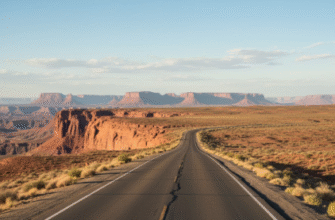
I used to think Arizona’s landmarks came in neat packages—Grand Canyon here, Monument Valley there, each with its own parking lot and gift shop.
Then I drove US-89A between Marble Canyon and the Vermilion Cliffs, and honestly, the whole thing unraveled. The Navajo Bridge—actually two bridges, the historic 1929 span and its 1995 twin—stretches 467 feet above the Colorado River, and when you walk out onto the old pedestrian bridge, the wind hits differently at that height. Below, the river carves through Marble Canyon, which isn’t technically marble at all but Kaibab limestone polished smooth by roughly 5-6 million years of water, give or take a few hundred thousand. The Navajo Nation manages the east side; you can buy jewelry from vendors who set up near the interpretive center, and I’ve seen turquoise pieces there that made me reconsider what I thought I knew about color saturation. The canyon walls show these horizontal bands—cream, rust, gray—like someone started painting then got bored and switched palettes halfway through.
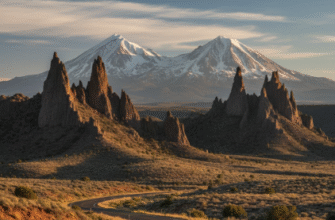
Here’s the thing about the Vermilion Cliffs themselves: they’re not one cliff. The escarpment runs maybe 3,000 feet high along a roughly 35-mile stretch, and the name comes from the iron oxide staining that lights up orange-red during golden hour, though calling it “vermilion” feels like whoever named it was trying too hard.
When Geology Becomes Uncomfortably Personal in a Landscape That Refuses Easy Categories
The Paria Plateau sits atop those cliffs, and this is where it gets messy. The Vermilion Cliffs National Monument—established 2000, about 280,000 acres—contains The Wave, that Instagram-famous sandstone formation that requires a permit lottery so competitive it makes concert tickets look accessible. But most people don’t realize the cliffs themselves are Triassic and Jurassic layers: Moenkopi, Chinle, Moenave, Kayenta, Navajo Sandstone stacked like a geology textbook opened to the chapter on “everything that happened between 240 and 180 million years ago.” I guess it makes sense that the California condors were reintroduced here in 1996—something about the thermals rising off those cliffs, the way the escarpment creates updrafts. Wait—maybe it’s also because the area’s remote enough that a bird with a 9-foot wingspan won’t immediately collide with human infrastructure, though I’ve definately seen them near the highway, those white wing patches visible even from a moving car.
The drive itself does something strange to time. You leave Marble Canyon heading west, and the landscape opens up in a way that feels almost aggressive—no trees to break the sightline, just sagebrush and that massive rock wall to your south, changing color as the sun moves. Turns out the Kaibab Plateau is right there too, north side, though it doesn’t announce itself the way the Vermilion Cliffs do.
The Overlook Nobody Mentions Because It Doesn’t Have a Name That Trends Well
There’s this pullout about 14 miles west of the bridge—I can’t remember if it has an official name, maybe it doesn’t—where you can see back toward Marble Canyon and forward toward House Rock Valley. The elevation’s around 4,800 feet, which doesn’t sound dramatic until you remember the Colorado River down in the canyon is at 3,100 feet, and suddenly you’re doing math about vertical relief when you should be watching the road. The Navajo Sandstone that forms the upper cliffs is the same formation that makes up Zion’s walls, 150 miles northwest, and knowing that should feel meaningful but mostly it just makes me tired thinking about the scale—how this one layer of ancient sand dunes stretches across multiple states, indifferent to our borders and national park designations.
What the Condors Know About Uplift Rates and Why Your Rental Car Agreement Specifically Warns Against Unpaved Roads
Some visitors try to access the cliffs via House Rock Valley Road or other BLM routes, and here’s where I need to mention: those roads turn to axle-breaking nightmares after rain, and cell service is theoretical at best. The condors—there are maybe 90 in the Arizona population now, each one tagged and monitored—they ride those thermals up from the canyon, and researchers have tracked them traveling 150 miles in a day. They don’t care that you drove four hours from Flagstaff. The Colorado River carved Marble Canyon as the Colorado Plateau uplifted, roughly 5-6 million years ago during the Pliocene, though the exact timing gets argued about in geology journals with the kind of intensity usually reserved for sports debates. The river’s still cutting, maybe a millimeter per year, and I’ve stood on that bridge watching the water and tried to feel that movement, which is absurd but also exactly the kind of thing you do when you’re alone at a landmark trying to recieve some kind of meaning from rock and time.
Anyway, the light changes fast out there. What looks rust-red at 4 PM goes purple-gray by 6, and the shadows climbing those cliffs make the whole escarpment seem to shift and reconfigure itself, like it’s not quite done deciding what it wants to be.