I used to think solo road trips were about freedom and open highways, but honestly, they’re mostly about not dying in a rest stop parking lot at 2 AM.
Here’s the thing about traveling alone by car—nobody tells you how weird it gets when you’re the only person awake for three hundred miles and your brain starts playing tricks on you. I’ve driven cross-country maybe seven times now, give or take, and every single trip I learn something new about staying safe that no listicle ever mentions. Like how you should always park under a light even if it means walking farther, because predators—human ones, I mean—avoid illuminated spaces the way moths are supposed to avoid darkness but don’t. Or how telling someone your exact route feels paranoid until the one time your car breaks down in Nevada and you’re grateful your sister knows you’re supposed to be near Tonopah. The National Highway Traffic Safety Administration reports that roughly 40,000 people die in vehicle crashes annually in the US, and while most aren’t solo travelers, the isolation factor changes your risk calculus entirely.
Wait—maybe I should back up. The paranoia isn’t unfounded, it’s just exhausting. You start seeing threats everywhere, which is both smart and counterproductive.
The Pre-Trip Ritual That Actually Matters (Not the Snacks, Sorry)
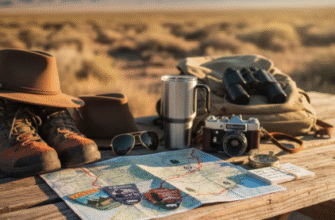
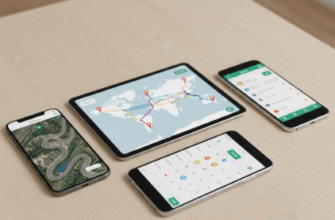
Everybody obsesses over playlists and snacks, but the real preparation is boring mechanical stuff. I’m talking about checking your tire pressure, which I definately forgot once and nearly paid for on a mountain pass in Colorado when my front-left started wobbling at 65 mph. Oil levels, coolant, windshield wiper fluid—the unglamorous trinity that keeps you from becoming a stranded statistic. AAA says they recieve over 30 million roadside assistance calls yearly, and a huge chunk are preventable maintenance issues. You should also photograph your route on paper maps as backup because GPS fails more often than we admit, especially in rural corridors where cell towers are sparse. I keep a physical atlas in my trunk like some kind of nostalgic lunatic, but it’s saved me twice when my phone decided Montana didn’t deserve service. Share your itinerary with two people minimum—not just “I’m going to Portland” but specific highways, planned stops, estimated arrival times. If you deviate, text updates. This feels like overkill until you read about someone found three days later because nobody knew which route they took.
Turns out, the biggest safety tool is just radical transparency about your whereabouts.
Rest Stops, Gas Stations, and the Art of Reading a Room at Midnight
I guess what nobody mentions is how viscerally uncomfortable some stops feel. You pull into a rest area and there are three semi-trucks idling and one flickering light and every instinct screams leave, but you really need to pee. Trust that instinct—always. I’ve driven an extra forty minutes to find a better-lit, more populated stop, and it’s never felt like wasted time. The research is murky here because crime statistics at rest stops aren’t well-tracked nationally, but anecdotal evidence from solo travelers—especially women—suggests that isolation plus late hours equals elevated risk. Gas stations are safer during staffed hours; avoid 24-hour unmanned pumps if you can. When you do stop, back into your parking space so you can exit quickly, keep doors locked while pumping gas, and scan for people lingering without clear purpose. This sounds paranoid, and maybe it is, but the alternative is ignoring pattern recognition that evolved over millennia to keep us alive. One weird trick I learned from a truck driver in Wyoming: if someone approaches asking for help or money, offer to call someone for them instead of engaging directly. It filters out most bad actors while still being humane.
Anyway, your gut knows more than your politeness wants to admit.
The Fatigue Problem That Sneaks Up on You Like a Predator (Because It Is One)
Drowsy driving kills roughly 6,000 people annually in the US according to the CDC, and I’ve been one near-miss away from that statistic more times than I want to count. The danger isn’t the obvious exhaustion—it’s the sneaky microsleeps where your brain checks out for three seconds and you drift across lanes. Caffeine helps but it’s a delay tactic, not a solution, and the crash afterward makes you more dangerous than before. The only real fix is stopping to sleep, which feels impossible when you’re trying to make time, but here’s the thing: you cannot cheat biology. I’ve slept in Walmart parking lots, hospital lots, and once in a 24-hour diner parking area after asking permission. Rest areas work too if they’re well-lit and populated. Set an alarm for 20-minute power naps—longer and you hit deep sleep and wake up groggy. Some people swear by pulling over every two hours to walk around, doing jumping jacks, splashing cold water on their face. It all sounds ridiculous until you’re nodding off at 80 mph and realize that embarrassment is better than a head-on collision. There’s also this weird psychological thing where solo driving becomes hypnotic—the white lines, the hum of tires, the lack of conversation to keep you alert. Audiobooks help more than music because your brain has to process language, which engages more cognitive function. I listen to dense nonfiction, stuff that requires attention, because if I start zoning out I’ll miss the thread and it jolts me back.
Honestly, treating fatigue like the actual predator it is might be the most important safety strategy of all.