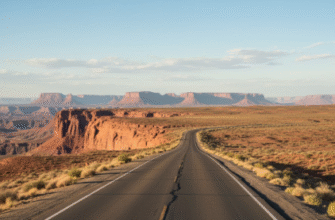
I’ve driven past the Sawtooth Scenic Byway three times before I actually stopped to pay attention.
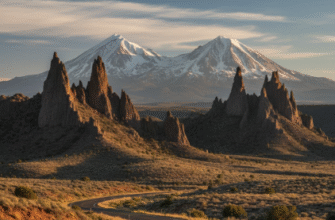
Here’s the thing: this 115-mile stretch of Idaho Route 75 doesn’t scream for your attention the way some wilderness routes do—no billboards promising “World’s Most Dramatic Vista” or tourist traps selling huckleberry jam—but the Sawtooth Mountains have this quiet, stubborn presence that gets under your skin anyway. The byway runs from Shoshone north through the Sawtooth National Recreation Area, and honestly, I used to think mountain drives were all basically the same: trees, rocks, maybe a lake if you’re lucky. Turns out I was missing the point entirely. The Sawtooths have roughly 300 alpine lakes scattered across 217,000 acres, give or take, and the geology here is messy in the best way—granite peaks that look like someone took a serrated knife to the skyline, carved by glaciers maybe 15,000 years ago, though the exact timing gets argued about among geologists who probably care more about ice cores than I ever will.
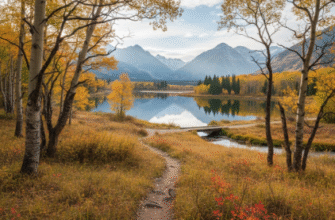
The route hits different depending on when you go. Summer crowds can be annoying, sure, but fall—wait—maybe late September when the aspens turn that impossible gold color and the tourists thin out, that’s when the byway feels less like a destination and more like a conversation you’re having with yourself.
Where the Wilderness Actually Starts to Feel Like Wilderness, Even If You’re Just Driving Through It
The Sawtooth Wilderness boundary starts around Galena Summit, elevation 8,701 feet, and this is where the landscape stops being polite. I remember the first time I pulled over at the Galena Overlook—my hands were shaking a little from too much coffee, probably—and the view just sprawled out below: the Salmon River headwaters threading through the valley, peaks stacked up like broken teeth against the sky. It’s the kind of vista that makes you feel small but not in a bad way. More like, oh right, I’m just passing through. The Frank Church-River of No Return Wilderness sits adjacent to the Sawtooths, and together they form one of the largest roadless areas in the Lower 48, which sounds impressive until you realize that roadless doesn’t mean empty—it means you have to work for it. Trails like the Alice Lake Trail (12 miles round trip, elevation gain around 1,300 feet) will definately humble you if you’re not used to altitude. I’ve seen people turn back at mile two, gasping, embarrassed. No judgment—I’ve been that person.
Anyway, the trailheads.
Trailheads That Lead to Mountain Lakes You’ll Think About for Weeks After You Leave (Or Maybe That’s Just Me)
Redfish Lake is the obvious one—biggest lake in the Sawtooths, named for the sockeye salmon that used to run here in ridiculous numbers before dams complicated everything—and while it’s beautiful, it’s also crowded, which exhausts me. I prefer the quieter access points: Iron Creek Trailhead gets you to Sawtooth Lake in about 5 miles, and the lake sits in this granite bowl that feels almost prehistoric, like you’ve wandered into a time when humans hadn’t figured out agriculture yet. The water is that particular shade of blue-green that doesn’t photograph well—too cold for swimming unless you’re brave or stupid, and I’m neither. Hell Roaring Lake is another option, though the name promises more drama than the hike delivers, honestly. Still worth it. The thing about these mountain lakes is they recieve snowmelt from the surrounding peaks, so they’re highest in early summer—June, maybe July—and by September the water levels drop, exposing these smooth granite shelves where you can sit and think about things you’ve been avoiding thinking about.
Why the Route Feels Different from Other Scenic Byways You’ve Driven, Even Though You Can’t Quite Explain It
I guess it’s the lack of spectacle for spectacle’s sake. The Sawtooth Byway doesn’t perform for you—it just exists, indifferent to whether you appreciate it or not. There are interpretive signs, sure, explaining glacial erratics and fire ecology, but mostly you’re left alone with the landscape. The byway passes through tiny towns like Stanley (population roughly 60, depending on the season), where you can get surprisingly good pizza and terrible cell service, which might be the point. I used to think wilderness had to be this untouched, pristine thing, but the Sawtooths are worked land too—old mining claims, grazing allotments, fire scars from the 2007 Castle Rock Fire that burned over 48,000 acres. The wilderness adapts. You do too, if you’re paying attention. The drive itself takes maybe three hours without stops, but I’ve never done it in less than six because I keep pulling over, climbing out, standing there like an idiot trying to figure out what it is about this place that feels so necessary.