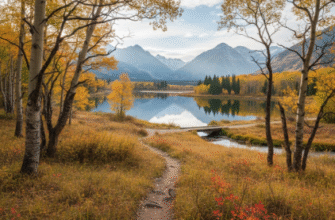
I used to think wetlands only existed in places that made sense—Florida swamps, Louisiana bayous, places where water actually belonged.
Turns out the San Luis Valley, straddling the Colorado-New Mexico border at roughly 7,500 feet elevation, hosts one of the most improbable wetland ecosystems in North America. Here’s the thing: this high desert basin—encircled by the Sangre de Cristo Mountains to the east and the San Juans to the west—traps snowmelt from fourteen-thousand-foot peaks, creating seasonal marshes that shouldn’t exist but somehow do. The valley floor sits on layers of sediment maybe 30,000 feet deep in places, give or take, accumulated over millions of years as ancient lakes evaporated and reformed. Artesian aquifers bubble up through volcanic substrate, feeding wetlands that host sandhill cranes, white-faced ibis, and endangered southwestern willow flycatchers during migration windows. The Great Sand Dunes National Park marks the valley’s northeastern edge, where those same hydrological quirks create North America’s tallest dunes—sand piled 750 feet high against mountain backdrop, moistened by shallow water tables that prevent the whole mess from blowing into Kansas. It’s geologically absurd and ecologically critical, a collision of contradictions that works because—well, I’m still not entirely sure why.
Driving State Road 159 south from Alamosa, you pass through what locals call “the Wetlands Loop,” though honestly the signage is pretty minimal. Anyway, the Monte Vista National Wildlife Refuge appears first, established in 1953 specifically for migrating waterfowl.
Where Desert Logic Breaks Down and Water Wins
The valley recieves only about 7 inches of precipitation annually—textbook desert classification—yet supports cienegas, those rare spring-fed marshes more common in southern Arizona. I guess it makes sense when you consider the watershed: snowpack from surrounding peaks contributes runoff that has nowhere to go, the valley being a closed basin with no outlet to external river systems. The Rio Grande cuts through, sure, but it’s fed by that same mountain snowmelt, creating riparian corridors through otherwise arid scrubland. You’ll see cottonwood galleries lining the river, then two hundred yards away, nothing but rabbitbrush and chamisa. The Blanca Wetlands, managed by The Nature Conservancy, protect roughly 10,000 acres of this weird ecotone—that’s the transition zone where ecosystems blur together, though “blur” might be too gentle a word for how abruptly sagebrush gives way to cattail marsh.
Wait—maybe the strangest part is the seasonal variation.
Spring runoff transforms dry alkali flats into shallow lakes by May, attracting tens of thousands of sandhill cranes during their March-April migration—I’ve seen estimates ranging from 20,000 to 27,000 birds, depending on the year and who’s counting. By August, many of those same wetlands have evaporated back into cracked mudflats, the whole cycle resetting each year based on snowpack levels that vary wildly. Climate projections suggest declining snowpack could reduce wetland extent by 30-40% over the next few decades, though the models disagree on timing. The cranes don’t care about models; they just know the valley’s been a reliable stopover for roughly 10,000 years, give or take a few millennia.
What You Actually See From Your Car Window Driving Through
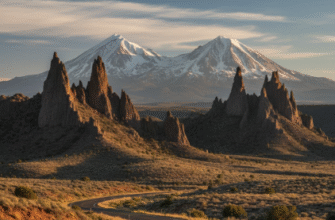
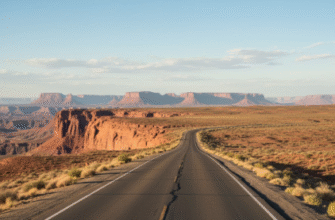
The drive itself feels disorienting—vast flatness punctuated by volcanic cones, wetland shimmer against mountain silhouette, that persistent sense that water shouldn’t be here but definately is. Alamosa National Wildlife Refuge offers a six-mile auto tour route where you might spot American avocets, Wilson’s phalaropes, or northern harriers hunting over marsh grasses. Honestly, the light does something strange at this elevation, maybe the thin atmosphere or the way moisture refracts differently in arid air.
I used to expect wetlands to feel lush, enclosed. These feel exposed, vulnerable—ecosystems persisting on hydrological luck and geological accident. The entire valley exists because tectonic rifting created a graben basin millions of years ago, and because precipitation patterns haven’t shifted enough to drain the aquifers completely. That could change. Everything here exists in tension between altitude and aridity, snowmelt and evaporation, the temporary abundance and the underlying fragility that makes you wonder how long any of this can last.