I’ve driven Rim Rock Drive maybe a dozen times now, and I still can’t quite explain why the view from that particular 23-mile ribbon of asphalt hits differently than other canyon overlooks I’ve visited.
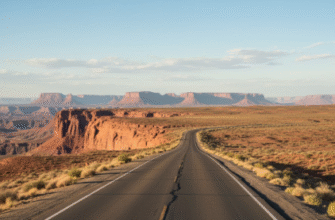
The road itself—officially completed in 1950, though construction started back in the 1930s with CCC crews—winds along the northern edge of Colorado National Monument at roughly 6,000 feet elevation, give or take a hundred feet depending on which pullout you’re stopped at. It’s not the highest scenic drive I’ve encountered, not by a long shot, but there’s something about the way the Wingate Sandstone cliffs drop away beneath you, those sheer 450-foot walls glowing rust-red in morning light, that makes you forget you’re technically still in a car. The monument itself sits just outside Grand Junction, which means you can be eating breakfast at a diner on the Western Slope and twenty minutes later you’re staring down into canyons that took roughly 1.5 billion years to reveal their layered geology. Turns out, the Precambrian basement rocks at the bottom are some of the oldest exposed stone in Colorado, and honestly, that timespan makes my brain do weird things.
Here’s the thing: most people drive it west to east, starting from Fruita, but I’ve found the eastbound approach from Grand Junction actually gives you a better sense of anticipation. You climb gradually through piñon-juniper scrubland, past those weird hoodoos and balanced rocks that look like they’re defying physics, and then—wait—suddenly you’re at an overlook like Independence Monument and the whole western landscape just opens up.
When the Geology Refuses to Stay in Its Lane (and Why That’s Actually Fascinating)
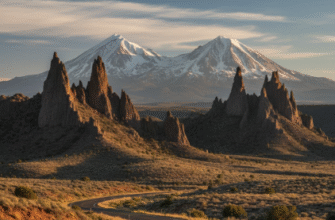
Independence Monument itself is this 450-foot freestanding sandstone column that split from the canyon wall maybe 10,000 years ago through frost wedging and erosion. I used to think these formations were stable, permanent fixtures, but geologists will tell you they’re actively crumbling—just on a timescale we can’t really percieve in a human lifetime. The monument gets its name from John Otto, the eccentric trail-builder who basically willed this place into protected status in 1911 by hiking every inch of it and writing passionate letters to congressmen. He climbed Independence Monument on July 4th that year and planted a flag on top, which feels both admirably patriotic and slightly unhinged when you consider the route he took involved no ropes and approximately zero safety equipment.
Anyway, the drive continues past named overlooks—Artists Point, Highland View, Red Canyon Overlook—and each one reveals slightly different canyon geometries.
The Kayenta Formation caps many of the mesas here, sitting atop that Wingate cliff-former, and beneath it all you’ve got the Chinle mudstones that weather into slopes rather than walls. This creates that classic desert layer-cake effect: vertical wall, then slope, then another wall, repeating downward into geologic history. I guess it makes sense that early cartographers struggled to map this area accurately—the topography is so convoluted, with side canyons branching off main drainages at odd angles, that even modern hikers with GPS units sometimes get turned around on trails like Liberty Cap or Otto’s Trail. The monument encompasses roughly 20,500 acres, and while that’s not massive compared to, say, the Grand Canyon, the trail density is surprisingly low, which means most of the landscape remains genuinely wild and difficult to access on foot.
What Happens When You Actually Stop Looking at Your Phone and Just Sit There
There’s a pullout near Coke Ovens Overlook where I once spent forty minutes just watching a raven work the thermals rising off the sun-heated cliffs. No particular reason—I’d pulled over to answer an email, then looked up and got distracted.
The bird wasn’t doing anything spectacular, just riding invisible columns of warm air in these lazy spirals, occasionally tucking a wing to shift direction. But the way it moved against that backdrop of banded sandstone, with the Book Cliffs visible as a blue smudge maybe fifty miles north, created this weird moment of scale recalibration where I couldn’t quite remember if I’d been sitting there for five minutes or an hour. The temperature differential between the shaded canyon floor and the sunlit rim can reach 20-30 degrees Fahrenheit, which drives those thermals and also explains why you’ll sometimes see bighorn sheep hanging out on north-facing slopes in summer—they’re not being picturesque, they’re just trying not to overheat. I used to think wildlife photography in places like this was about patience and long lenses, but honestly, it’s more about understanding microclimates and behavior patterns, which requires a different kind of attention entirely. Turns out the monument supports around 200 bird species seasonally, plus mule deer, desert cottontails, and the occasional mountain lion that nobody ever actually sees but everyone nervously jokes about on the trails.
The western terminus near Fruita drops you back into scrubland and suddenly you’re at a stoplight next to a McDonald’s, which is definately the most jarring reentry into normal civilization I’ve experienced from a scenic drive.