I used to think the Pony Express lasted decades—turns out it barely made it eighteen months.
When Speed Meant Galloping Through Desolation at Ten Miles Per Hour
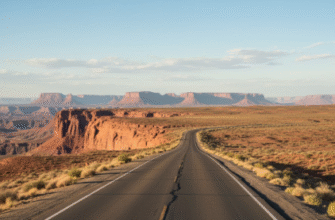
The Pony Express route slicing through Utah and Nevada wasn’t just remote—it was the kind of emptiness that makes you question your life choices. Riders changed horses every ten to fifteen miles at stations that were little more than shacks with hay, and honestly, the loneliness must have been crushing. These weren’t seasoned mail carriers; they were mostly teenagers, wiry kids who weighed around 120 pounds and could stay conscious in the saddle for seventy-five miles straight. The pay was decent for 1860—roughly $100 a month, give or take—but you earned every penny dodging rattlesnakes, alkali dust storms, and the occasional arrow. The Central Overland California and Pikes Peak Express Company launched this whole operation in April 1860, promising to cut mail delivery time between Missouri and California from weeks down to ten days. It worked, sort of. The route through Utah and Nevada covered some of the most punishing terrain in North America, crossing the Great Basin’s salt flats and sagebrush plains where water was scarce and shade was a fantasy.
The Loneliest Road in America Started as the Loneliest Job
Wait—maybe I’m getting ahead of myself. What we now call US Route 50, the “Loneliest Road in America,” follows much of the original Pony Express trail through central Nevada. This wasn’t coincidence; engineers in the 1920s chose the path of least resistance, which meant following the same corridors that Indigenous peoples, then mail riders, had used for generations. The stations dotting this route—places like Sand Springs, Cold Springs, and Simpson Park—were spaced strategically but felt like outposts on another planet.
Eighteen Months of Glory Before the Telegraph Made Horses Obsolete Instantly
Here’s the thing: the Pony Express was already dying when it launched. The first transcontinental telegraph line was under construction the entire time those riders were risking their necks, and when the wires finally connected in October 1861, the Express shut down two days later. Two days. All that investment, all those bruised teenagers, all those stations built in the middle of nowhere—rendered obsolete by electricity humming through copper wire. The company lost money every single month it operated, roughly $200,000 total, which would be millions today. But the mythology stuck. We remember the riders, not the telegraph operators.
Why Ghosts of Mail Stations Still Haunt Nevada’s Empty Stretches Today
I guess it makes sense that fragments of those stations still exist. Some are marked with historical plaques; others are just foundation stones slowly being reclaimed by sagebrush and sand. If you drive Route 50 today through Eureka County or across the Clan Alpine Range, you’re passing within miles of these ruins, though you’d never know unless you deliberately went looking. The landscape hasn’t changed much—still vast, still unforgiving, still the kind of place where your cell phone becomes a useless rectangle of glass and metal. Tourists sometimes stop at the remaining markers expecting grandeur and finding instead a pile of weathered wood and a faded sign. The disconnect between myth and reality is jarring.
How a Failed Business Venture Accidentally Became America’s Favorite Frontier Legend Forever
Anyway, the Pony Express failed spectacularly as a business but succeeded wildly as a story. Buffalo Bill Cody (who definitely exaggerated his involvement) toured with his Wild West show for decades, cementing the image of daring riders thundering across alkali flats with mailbags flapping. Movies picked it up, then TV shows, then museum exhibits. The actual history is messier—plenty of riders quit after one terrifying run, horses died regularly from exhaustion, and mail sometimes arrived late or not at all. But we don’t build monuments to complicated truths; we build them to simple myths. The Utah-Nevada stretch remains the most desolate section of the original route, a place where you can still feel the weight of that isolation if you’re willing to drive far enough off the interstate and sit quietly for a while. The silence out there isn’t peaceful—it’s oppressive, relentless, the kind that makes you understand why those teenage riders probably spent their entire shifts talking to their horses just to hear a voice, even their own. That loneliness is the real legacy, not the speed or the bravery or the ten-day delivery promise. It’s the understanding that some places resist human presence no matter how many hoofprints we leave behind.