The thing about driving up Pikes Peak is that nobody tells you your ears will pop like you’re on a plane descent, except you’re going up.
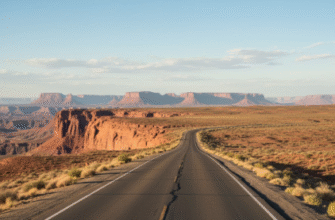
I first drove the Pikes Peak Highway—officially called the Pikes Peak Summit Auto Road now, though locals still use both names interchangeably—back in 2019, and I remember thinking it would be like any other mountain drive. Turns out, this 19-mile toll road that winds from the gateway town of Cascade, Colorado, up to 14,115 feet is nothing like cruising through the Rockies on I-70. The road itself was originally a carriage path built in 1915, and while it’s been paved completely since 2011 (the last gravel section finally got asphalt), the experience still feels precarious in that specific way that makes your passenger grip the door handle. You’re climbing roughly 7,000 feet in elevation, give or take, and the air gets thin enough that your rental car starts wheezing around mile 13. The switchbacks—156 of them, I think, though I’ve seen different counts—don’t have guardrails in some sections, which is either thrilling or terrifying depending on whether you’re the driver or the person trying not to look at the drop-off.
Here’s the thing: the summit isn’t just a scenic overlook. It’s where Katharine Lee Bates supposedly got inspired to write “America the Beautiful” in 1893, though she actually took a wagon up the old Barr Trail, not this road. The view does something to people—on clear days you can see Denver, roughly 70 miles away, and the plains stretching out like they’re trying to reach Kansas.
Why Your Body Starts Acting Weird at 14,000 Feet (And What the Summit House Won’t Tell You)
Altitude sickness hits different people differently, but here’s what I’ve noticed: some visitors get to the summit gift shop and immedietly feel nauseated, while others are fine until they try to walk around. The air up there has about 40% less oxygen than sea level—I used to think it was closer to 50%, but I looked it up and it’s defnitely less dramatic than that, though it still matters. The summit house, which is this modern facility that opened in 2021 replacing the old 1960s structure, sells donuts (the “world’s highest altitude donuts,” they claim) and has a strange smell that’s probably just thin air messing with your sinuses. Wait—maybe it’s the fryer oil at that elevation? Anyway, the staff will tell you to drink water and take it slow, but honestly, most people ignore that advice until they’re sitting on a bench feeling dizzy.
The Highway is only open seasonally, typically May through September or October, depending on snowfall. Winter shuts it down completely.
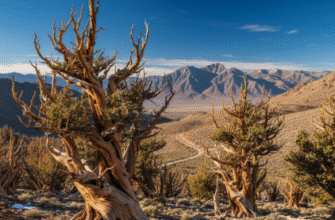
I guess what surprised me most was how the landscape changes as you climb—you start in montane forests with ponderosa pines and Douglas firs, then suddenly you’re in subalpine territory with stunted bristlecone pines that look like they’ve given up growing, and finally you hit alpine tundra where basically nothing tall survives because the wind is relentless and the growing season lasts maybe six weeks. The tundra part looks like another planet, all low vegetation and rocks, and you’re supposed to stay on designated paths because the plants grow so slowly that a single footprint can take decades to recover. People still wander off, though. I’ve seen the trampled areas.
The Engineering Nobody Appreciates Until They’re Actually Driving Switchback Number 87 in a Hailstorm
The road has to deal with weather that would shut down most highways—summer thunderstorms that roll in by early afternoon with lightning that makes you reconsider your life choices, hail that sounds like gunfire on your roof, and temperature swings that can go from 70°F at the base to below freezing at the summit in the same hour. The maintenance crews work constantly during the open season, patching pavement that cracks from freeze-thaw cycles, clearing rockfall, and somehow keeping the drainage systems functional even though water does unpredictable things at high altitude. There’s a whole system of pullouts and turnarounds for vehicles that can’t make it (overheating engines, panicked drivers, the occasional motorcycle that underestimated the elevation), and the rangers who patrol the road have seen everything from wedding proposals to medical emergencies to tourists trying to pet marmots, which are not actually friendly despite their cute appearance.
The toll to drive up costs around $15 per adult in the car, though prices change. You can also take a shuttle if you don’t trust your driving skills or your vehicle’s brakes—coming down is actually harder than going up because you’re riding the brakes for 19 miles and things can overheat fast. I’ve smelled burning brakes from other cars on the descent, and it’s not reassuring.
Honestly, the whole experience feels like something Colorado built just to prove it could.