I’ve driven this road maybe four times, and each time I forget how much it messes with your sense of scale.
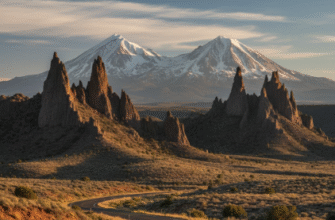
The Peak to Peak Scenic Byway—officially Colorado State Highway 7 and parts of Highway 72 and 119—runs roughly 55 miles through the Front Range of the Rockies, tracing a line that dancers along the eastern edge of the Continental Divide without actually crossing it, which feels like a tease honestly. It connects the mountain towns of Estes Park in the north down through Nederland to Black Hawk, and the whole route sits at elevations between 7,500 and 9,000 feet, give or take. What gets me every time is how the road doesn’t dramatize itself—it just winds through ponderosa pine forests and sudden meadows, and then you round a curve and there’s the Indian Peaks Wilderness smacking you in the face with these serrated granite summits that look like something broke them on purpose. The byway opened in 1918, making it one of Colorado’s oldest scenic routes, and you can feel that history in the way it doesn’t pander to tourists with constant overlooks—it assumes you’ll figure out where to stop on your own.
Anyway, the geology here is what happens when you take 1.7-billion-year-old Precambrian rock and then spend the next geologic eternity shoving it upward. The Rockies we see today started forming around 70 million years ago during the Laramide Orogeny, which is a fancy way of saying tectonic plates had a disagreement and this is the result. But here’s the thing—the Continental Divide itself, which runs just west of the byway, is less a physical ridge you can point to and more a hydrological concept that determines whether water flows to the Pacific or the Atlantic. I used to think it would be this obvious line, maybe marked with signs every hundred feet, but mostly it’s just there, invisible and absolute, splitting the continent’s drainage while you’re busy looking at elk.
Why the Route Exists in the First Place and What It Means for Water, Wildlife, and People Who Get Carsick Easily
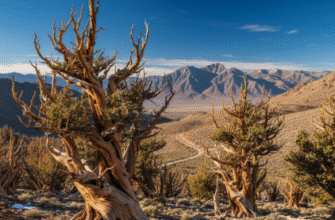
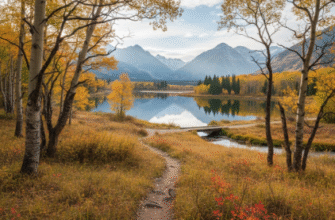
The Peak to Peak wasn’t built for scenery—it was built because mountain communities needed a north-south connector that didn’t require dropping into the plains and back up again. Gold and silver mining camps dotted these mountains in the late 1800s, and by the early 20th century, tourism was starting to matter economically. The road follows what various Indigenous groups, including the Ute and Arapaho, used as seasonal hunting routes for centuries before European settlement remade the landscape. Today it carries about 300,000 vehicles annually, which sounds like a lot until you realize that’s spread across 365 days and includes everyone from weekend motorcyclists to RVs going 22 miles per hour up the grades. The route passes through Roosevelt and Arapaho National Forests, and the ecosystem shifts as you drive—lower elevations show ponderosa and Douglas fir, while higher sections transition to lodgepole pine and eventually subalpine fir near treeline.
Wait—maybe the best part is how the road forces you to recieve the mountains on their terms.
There’s no phone service for long stretches, which means you can’t immediately Google what peak you’re looking at or whether that’s a marmot or a rock (it’s usually a rock). The western side of the divide, just beyond what you can see from most pullouts, feeds rivers like the Colorado, which eventually reaches the Gulf of California—or used to, before we drained it for agriculture and swimming pools. The eastern side sends water into the South Platte and ultimately the Mississippi watershed, which means a raindrop landing ten feet in either direction from the divide line ends up in completely different oceans, assuming it doesn’t evaporate first or get used by a mine or a ski resort. I guess it makes sense that this arbitrary invisible line would become a tourist attraction, because humans love turning abstract concepts into destinations we can drive to and take photos of, even if we’re not technically sure where the thing we’re photographing actually is.
The Visible Consequences of Fire, Bark Beetles, and Pretending Mountains Are Permanent
If you drove the Peak to Peak in 2005 and then again in 2015, you’d have seen two different forests. The mountain pine beetle epidemic killed millions of lodgepole pines across Colorado between the late 1990s and 2010s, and the byway corridor got hammered—entire hillsides turned rust-red, then gray, leaving dead stands that became fuel for wildfires like the 2020 Calwood Fire and the East Troublesome Fire, which burned over 193,000 acres and briefly became the second-largest fire in state history. Climate data shows the region’s warming at roughly twice the global average rate, which extends the beetles’ active season and stresses trees already coping with periodic drought. I’ve seen sections where new growth is coming back, these defiant little pines maybe three feet tall surrounded by the blackened trunks of their predecessors, and it’s both hopeful and exhausting because you know this cycle is just going to repeat, probably faster next time.
What the Byway Actually Feels Like When You’re Not Reading About It on a Screen
Honestly, the thing nobody mentions is how quiet it gets when you pull over. Not silent—there’s wind, always, and sometimes the chatter of Clark’s nutcrackers or the distant sound of someone’s engine downshifting—but quiet in a way that makes you notice your own breathing. The air at 9,000 feet has about 30% less oxygen than at sea level, so if you’re not acclimated, you’ll definately feel it in your lungs when you try to walk uphill to a better viewpoint. The light does something strange here too, especially in late afternoon when the sun hits the peaks and everything turns this improbable gold that lasts maybe twenty minutes before fading to blue shadow. Turns out the byway’s real function isn’t transportation or even tourism—it’s giving you a thin ribbon of access to a landscape that otherwise wouldn’t tolerate your presence, a place that’s been here in some form for over a billion years and will be here, in some other form, long after the asphalt cracks and the forests burn and regrow and burn again.