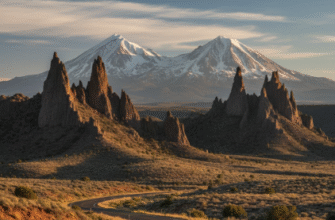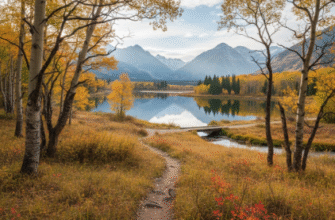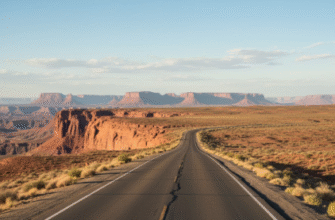
The Lolo Pass sits at 5,233 feet, straddling the Idaho-Montana border like a geological dare.
I used to think the Northwest Passage was just some Arctic shipping route that explorers obsessed over, the kind of thing you learn about in seventh grade and promptly forget. Turns out—and this genuinely surprised me when I first started digging into this—there’s a landlocked version threading through the northern Rockies, and it’s been causing people problems for roughly two centuries, give or take. The Lolo Trail, which crosses at Lolo Pass, became this unlikely corridor through absolute wilderness when Lewis and Clark stumbled through in September 1805, half-starved and completely unprepared for what the Bitterroot Range would throw at them. They called it the most difficult part of their entire expedition, which is saying something considering they’d already paddled upstream against the Missouri for months. The Nez Perce people had been using this route for generations before that, crossing between buffalo hunting grounds and the Weippe Prairie, but they knew enough to avoid it during certain seasons when snow could pile fifteen feet deep and erase any trace of the path.
Here’s the thing: the pass isn’t actually the hard part. It’s everything around it—the approach, the descent, the sheer relentlessness of the terrain that seems designed to break both wagons and spirits.
When Thomas Jefferson’s Dream Collided With Vertical Geography
Jefferson imagined this neat transcontinental passage, maybe a short portage between river systems, something manageable for commerce. What the Corps of Discovery found instead was eleven days of near-starvation across ridges where horses slipped on icy rocks and the expedition had to eat candles for sustenance—wait, actually they ate the candles later, I think, or maybe that was just tallow. Anyway, Private Joseph Whitehouse wrote in his journal that the mountains “appeared to be piled on each other,” which honestly undersells how disorienting the landscape becomes when you’re trying to navigate by landmarks that all look identical. The Nez Perce guides who eventually led them through probably saved the entire expedition from becoming a footnote about hubris and poor planning. Without those guides, particularly an older man named Toby and his son, Lewis and Clark might have just… wandered in circles until winter locked them in permanently.
The route they followed wasn’t some highway. It was barely a trail—more like a suggestion written in occasional blazes on trees and the faint compression of soil where centuries of moccasins and hooves had passed. Modern Highway 12 now follows parts of this corridor, paved and guardrailed, but it still closes regularly in winter because some things geography simply won’t compromise on.
I guess it makes sense that this became mythologized as part of America’s westward expansion story, but the reality was messier and more desperate than the paintings suggest.
What Happens When You Turn A Barely Viable Footpath Into National Infrastructure
After Lewis and Clark proved it was technically possible to cross here without dying—barely—other people kept trying, with varying degrees of success. Missionaries arrived in the 1830s and 40s, convinced that determination and faith could substitute for adequate supplies, which worked about as well as you’d expect when facing hypothermia at altitude. The Nez Perce themselves used Lolo Pass in 1877 during their fighting retreat from U.S. Army forces, crossing with hundreds of people including children and elders, pursued by General Howard’s troops. Chief Joseph’s band managed what Lewis and Clark found agonizing, except they were doing it while fleeing for their lives, which adds a layer of desperation that’s hard to fully grasp from comfortable historical distance. They knew the terrain intimately, knew which side canyons offered shelter and where creeks ran reliable even in late summer, knowledge that had been accumulated and refined over generations of seasonal migration.
The modern highway finally opened in 1962, after decades of debate about whether it was even worth the engineering nightmare. It definitely was—economically, I mean—connecting isolated communities and timber operations. But every winter the snowplows fight the same battle against drifts that reclaim the road like the mountains are trying to erase this human presumption. Avalanche paths still cut across the highway in predictable places, marked by signs and concrete sheds that channel debris overhead.
Honestly, driving it now in July feels anticlimactic, almost boring in its accessibility, until you remember that in 1805 people were boiling tree bark to stay alive along this exact ridgeline.
The Lolo Pass Visitor Center sits right at the state border, a modest building that closes for half the year when snow makes staffing it impractical. Inside, there are journals and maps and interpretive displays that try to convey the historical weight, but it’s hard to communicate genuine suffering through laminated placards. You can stand at the pass in summer, surrounded by Douglas fir and the occasional Clark’s nutcracker bird—named for William Clark, naturally—and the air smells like pine sap and distant campfire smoke from the wilderness areas spreading north and south. It feels peaceful, almost gentle, which is probably the biggest lie the landscape tells. Wait three months and it transforms into something actively hostile to human presence, a place where sixty-degree temperature swings between day and night can catch you unprepared even in September.
The thing about historic routes is they’re only historic because enough people survived them to tell the story afterward.