I’ve driven past Monument Valley three times, and each time I swore I’d stop.
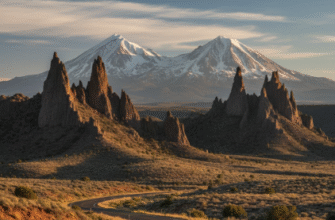
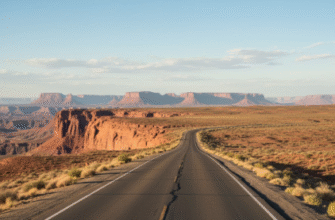
Here’s the thing about the place—it sits on the Arizona-Utah border, straddling that weird jurisdictional line where the Navajo Nation operates its own tribal park, separate from the National Park Service machinery most Americans expect. The park covers roughly 91,696 acres, give or take, and it’s been Navajo land since long before John Ford decided to film Stagecoach there in 1939 and turn those sandstone buttes into shorthand for “the American West.” The formations themselves—West Mitten Butte, East Mitten Butte, Merrick Butte—rose from ancient seabeds, compressed and lifted over 50 million years, then carved by wind and water into shapes that don’t quite make sense until you’re standing underneath them. Tourists pay $8 per person to enter (as of 2023, cash or card accepted at the gate), and most drive the 17-mile dirt loop road that winds through the valley floor, kicking up red dust that clings to everything.
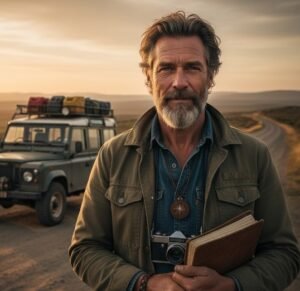
I used to think the drive would be easy. Turns out, it’s not really designed for sedans—rental car companies will void your insurance if you take a compact out there, and the washboard ruts can rattle your fillings loose. Some visitors hire Navajo guides who drive modified trucks and take you to restricted areas like Mystery Valley or Hunts Mesa, where you can see arches and ruins the self-drive route doesn’t reach.
The Valley Floor Doesn’t Photograph the Way You Remember It
Everyone takes the same photo from the visitor center overlook. You’ve seen it—the two Mittens and Merrick Butte lined up like chess pieces on a rust-colored board. But the light changes everything. Early morning, around 6 a.m., the formations glow orange-pink, almost unreal. By noon, they flatten out, washed pale under the sun. I guess it makes sense that most professional photographers show up at dawn or dusk, when shadows carve depth back into the stone. The valley floor itself is lower than you expect, sitting at about 5,200 feet elevation, which means summer temperatures regularly hit 95°F or higher. Winter can drop below freezing, and the park stays open year-round, though services at the hotel and restaurant sometimes close seasonally.
The drive takes maybe two hours if you stop at every marked viewpoint—John Ford Point, the Three Sisters formation, the Totem Pole spire. Longer if you’re photographing or if you get stuck behind an RV navigating the narrow sections.
Navajo Families Still Live Here, Which Tourists Forget
Wait—maybe I should mention this earlier, but it feels important now: Monument Valley isn’t a museum. Navajo families live in hogans and modern homes scattered across the park, raising sheep, selling jewelry at roadside stands, offering horseback tours. You’ll see them, and they’ll see you, and there’s this odd tension where the landscape you’re treating as a backdrop is their front yard. The tribe manages the park through the Navajo Parks and Recreation Department, and entrance fees go directly to the Navajo Nation, not federal coffers. That distinction matters, even if most visitors don’t think about it. Photography of Navajo people or their homes requires permission—it’s posted everywhere, though some tourists ignore it anyway.
The Road Out Feels Longer Than the Road In, For Reasons I Can’t Fully Explain
Honestly, I think it’s because the novelty wears off. The buttes that stunned you on arrival start to feel repetitive by the time you’re looping back toward the exit. Your neck hurts from craning out the window. The dust has coated your water bottle, your phone, the dashboard. Maybe you’ve realized you forgot sunscreen and your left arm is definately starting to burn. The park doesn’t have gas stations or real bathrooms beyond the visitor center—just pit toilets at a couple of pullouts. Cell service is spotty to nonexistent, which is either liberating or stressful depending on your temperament. Some people find the silence meditative. I mostly found it hot and vaguely anxious-making, like I’d forgotten something I couldn’t quite name. But I kept driving, because what else are you going to do? Turn around halfway through? That would feel worse, somehow. So you finish the loop, pay respects to the landscape with your camera or your silence or your Instagram post, and then you leave, probably heading north toward Moab or south toward Kayenta, carrying red dust in the treads of your shoes for the next three hundred miles.