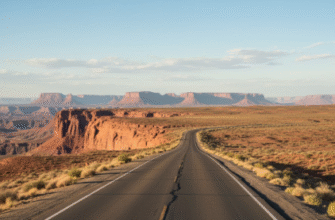
The Mohawk Trail wasn’t always a tourist attraction, you know.
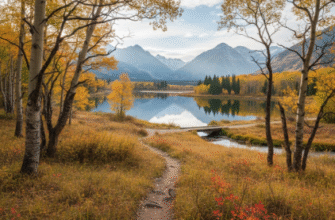
I used to think scenic byways were just marketing inventions—someone in a tourism office drawing lines on a map, slapping a heritage label on it, calling it a day. Then I drove Route 2 through the Berkshires on a Tuesday in October, when the maples were doing that thing where they look like they’re literally on fire, and I had to pull over three times just to process what I was seeing. Turns out this road follows a Native American trade route that’s been in use for, what, roughly 10,000 years give or take—the Mohawk people used it to travel between the Hudson River Valley and the Connecticut River, trading furs and corn and stories probably, though that last part isn’t in the historical records. The modern highway version opened in 1914 as one of the first scenic automobile roads in New England, and honestly, the timing was perfect: Americans were just starting to fall in love with car travel, and here was this ribbon of asphalt winding through mountains that seemed designed for postcards.
Here’s the thing about the western Massachusetts landscape along this route—it doesn’t show off. The peaks aren’t dramatic like the Rockies, the valleys aren’t sweeping like Montana. It’s quieter than that.
When Hairpin Turn Engineering Meets Gravity and Prayer
The Hairpin Turn near North Adams is genuinely terrifying if you’re driving anything larger than a sedan, and I say this as someone who once watched a small RV attempt it while making sounds I didn’t know vehicles could make. The turn drops roughly 600 feet in elevation over less than a mile, switchbacking so sharply that you can sometimes see your own taillights in your peripheral vision—wait, maybe that’s an exaggeration, but it definately feels that way. They built a statue of an elk there in 1923, which seems like a weird choice until you learn it was donated by the Massachusetts Elks lodges, and then it still seems kind of weird but at least you understand the logic. The view from the hairpin, though, that’s the part that justifies the white knuckles: you can see five mountain ranges on a clear day, layers of ridges fading into blue-gray distance like a Chinese landscape painting.
I guess engineering standards were different back then. Modern highway designers would never approve those grades, those sight lines, that casual relationship with guardrails.
The Bridge of Flowers and Other Accidents of Preservation
Shelburne Falls has this bridge—an old trolley bridge that stopped being useful for trolleys in 1928, and instead of tearing it down, someone had the idea to plant flowers on it. Just flowers. Hundreds of varieties, tended by volunteers, blooming from April through October in this explosion of color that makes absolutely no practical sense and is therefore perfect. I’ve seen infrastructure projects that cost millions and achieve less delight than this reclaimed 400-foot span covered in petunias and impatiens. The glacial potholes nearby are another geological accident worth stopping for—circular holes carved into the riverbed by swirling stones during the last ice age, roughly 14,000 years ago, some of them 40 feet across and deep enough that people used to swim in them before the liability insurance made that impossible. There’s something exhausting about how we’ve made wonder contingent on safety waivers, but anyway.
The trail runs 63 miles from Williamstown to Orange, passing through towns that peaked economically somewhere around 1890 and have been figuring out what comes next ever since. Some have leaned into arts tourism, others into hiking culture, a few into a kind of dignified slow fade. The roadside attractions—the wigwam souvenir shops, the observation towers, the family-run maple syrup operations—feel like holdovers from mid-century America, which I suppose they are.
Drive it in fall and you’ll understand why people write bad poetry about New England foliage. Drive it in March and you’ll understand why so many of those same poets moved to California.