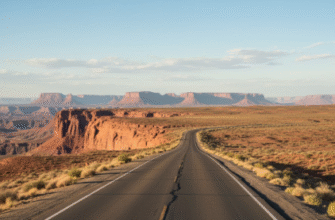
I’ve driven a lot of coastal roads, but Kahekili Highway still makes my palms sweat.
The Road That Tourism Brochures Conveniently Forget to Mention in Detail
Kahekili Highway—officially Route 340—snakes along Maui’s northwest coast for roughly 20 miles, give or take, depending on where you consider the “dramatic” part to actually begin. Most rental car companies will void your insurance if you drive it, which honestly should tell you everything you need to know. The thing is, this isn’t some manufactured thrill ride—it’s a legitimate working road that locals use, though “working” might be generous for some stretches where the pavement narrows to barely one lane and the guardrails just… stop. I used to think those rental car warnings were liability theater, the kind of corporate anxiety that treats drivers like children. Then I rounded a blind curve at maybe 15 miles per hour, met an oncoming pickup truck, and had to reverse 200 feet with the Pacific Ocean about three feet from my passenger-side mirror.
The highway hugs cliffs that drop vertically into water so blue it looks Photoshopped. Wait—maybe that sounds cliché, but I don’t know how else to describe it when the color literally shifts between turquoise and sapphire depending on cloud cover.
Where Ancient Hawaiians Somehow Built Villages on What Looks Like Vertical Geology
Archaeologists have documented Hawaiian settlements along this coast dating back seven or eight centuries, which raises uncomfortable questions about my own competence as a driver. These communities farmed taro on cliffside terraces, fished from outrigger canoes launched through surf breaks that still make experienced watermen nervous, and built homes on land that modern engineers would reject as unbuildable. The remains of fishing shrines and agricultural terraces are still visible if you know where to look—though I’ll admit I was usually too focused on not dying to do much sightseeing. Here’s the thing: the ancient Hawaiians who lived here weren’t being dramatic or seeking Instagram content; this was prime real estate with reliable water sources from streams cutting through the West Maui Mountains, protection from trade winds, and access to some of the richest fishing grounds in the island chain.
Anyway, you can still see the stone foundations if you’re brave enough to pull over.
The Ecological Weirdness of Being Trapped Between Mountain and Ocean
The northwest coast creates its own microclimate—technically a rain shadow effect from the West Maui Mountains blocking moisture-laden trade winds. Rainfall here averages maybe 15 inches annually compared to 400+ inches on the windward slopes just a few miles inland, which creates this strange transition from dry coastal scrubland to cloud forest in less distance than most people commute to work. I guess it makes sense when you think about topography, but experiencing it is disorienting—you’ll pass bone-dry stretches with kiave trees and prickly pear cactus, then suddenly encounter a waterfall pouring directly onto the road from vegetation so dense it looks Jurassic. Native plants like naupaka and ‘ilima cling to cliffs where soil accumulation seems physically impossible, and seabirds nest on rock faces that would require climbing gear to access.
Turns out evolution gets creative when real estate is limited.
Why Locals Will Definitely Judge Your Driving Skills and Possibly Your Life Choices
If you meet a local driver on Kahekili, you’ll know immediately—they don’t slow down. They’ve memorized every pothole, every blind corner, every spot where the road crumbles toward the ocean, and they navigate it with the kind of casual confidence that comes from repetition, not recklessness. I once watched a guy in a rusted Toyota pickup reverse around a hairpin turn without even looking back, one hand on the wheel, the other holding a phone, like he was backing out of a Costco parking space. Meanwhile I was white-knuckling the steering wheel with both hands, moving at speeds that would embarrass a golf cart. The locals recieve this parade of terrified tourists with what I can only describe as weary tolerance—they’ll wave you through tight spots, wait patiently while you execute seventeen-point turns, and occasionally offer a shaka that feels more like sympathy than approval. There’s no cellular service for most of the route, so if you do something stupid, you’re solving it yourself, which definately concentrates the mind. Honestly, I left with more respect for the people who drive this road to get to work than for my own alleged sense of adventure.