The Kancamagus Highway doesn’t care about your Instagram feed.
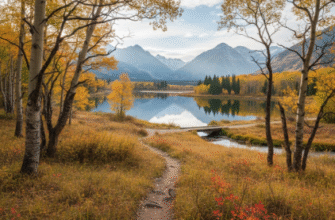
I’ve driven this 34.5-mile stretch of Route 112 through New Hampshire’s White Mountains maybe six times now, and each October I think I’ve got it figured out—leave early, hit the overlooks by 9 AM, avoid the weekend crush. Turns out, the foliage doesn’t read schedules. The thing about the Kanc (nobody calls it by its full name, honestly) is that it peaks when it peaks, usually sometime between late September and mid-October, give or take a week depending on elevation and how cold the nights have been. You can check the state’s foliage tracker, sure, but I’ve seen it turn from 40% to 90% in basically three days flat. The maples—sugar maples mostly, mixed with red maples and birches—they’ll go from greenish-yellow to this absolutely unhinged scarlet-orange that makes you pull over even when there’s no shoulder. Which is often. The road winds through the White Mountain National Forest, climbing to Kancamagus Pass at 2,855 feet, and the whole route is comercially undeveloped: no gas stations, no billboards, just forest and occasional pull-offs with names like Sabbaday Falls and Rocky Gorge.
Why This Particular Stretch of Asphalt Ruins You for Other Fall Drives
Here’s the thing—I used to think Vermont had the foliage game locked down. Then I drove the Kanc on a random Tuesday in early October and realized I’d been wrong, or at least incomplete in my assessment. The density of color here is different, maybe because you’re driving through a glacially-carved valley (the Swift River follows you most of the way) with mountains pressing in on both sides. The Presidential Range is visible from certain points, weather permitting, which it often isn’t. Fog rolls in weird and fast up here.
The overlooks aren’t evenly spaced, and some are definately better than others—C.L. Graham Wangan Grounds has actual picnic tables and river access, while the Pemigewasset Overlook gives you that classic shot of endless ridgelines going blue-gray in the distance. I guess what I’m trying to say is that the experience feels less curated than, say, the Mohawk Trail or Skyline Drive. You’re not driving through a postcard; you’re driving through a working forest that happens to be showing off.
Wait—maybe that’s romanticizing it too much.
Practically speaking: the road is fully paved but narrow in sections, with curves that require actual attention, especially if you’re rubbernecking at a particularly aggressive stand of aspens. There are hiking trailheads every few miles—short ones like Sabbaday Falls (0.3 miles to the waterfall) and longer commitments like the trail up to Mount Potash. The leaf-peepers tend to cluster at the main overlooks, which means if you’re willing to walk even half a mile, you’ll have relative solitude. I’ve noticed that the western end, near Lincoln, gets heavier traffic because it connects to I-93, while the eastern terminus at Conway feels quieter, though that might just be my own bias from approaching from that direction more often. The Swift River, when you catch glimpses of it through the trees, runs clear and cold over rounded granite—people wade in it during summer, but by October the water’s bracingly frigid. Honestly, the whole drive takes maybe 90 minutes if you don’t stop, which seems insane because you’ll stop constantly. The light changes depending on time of day: early morning gives you mist rising off the river, late afternoon sets the canopy on fire with backlighting, and midday can be harsh and flat.
What They Don’t Mention in the Brochures About Timing and Crowds
Peak foliage weekends are genuinely chaotic. I’m talking parking lots full by 8 AM, people stopped in the middle of the road (don’t do this), and a steady stream of leaf-tour buses that struggle with the switchbacks. If you can swing a weekday visit, do it. The color doesn’t care what day it is. Also, the Kanc closes in winter—usually from December through May, depending on snowfall—so there’s a limited window here. And the thing nobody tells you: go early in the season for reds and oranges, go late (mid-to-late October) for yellows and golds as the birches and beeches catch up. The maples peak first, then everything else follows in this staggered procession that means you could theoretically drive it twice in the same season and see totally different palettes.
I drove it last year on Columbus Day weekend, which was a mistake I won’t repeat, then again on a drizzly Thursday in late October when the tourists had mostly cleared out and the forest felt private, almost melancholy. Both were worth it, but one required significantly less patience.