I used to think zero waste road trips were one of those Pinterest fantasy things—you know, the kind where someone photographs their entire year’s trash in a mason jar.
Turns out, the actual practice is messier and way more interesting. When I started researching sustainable travel about three years ago, I kept running into the same problem: most advice was either aggressively minimalist (bring nothing! sleep in your car! eat nuts!) or so vague it was useless. But here’s the thing—real zero waste travel isn’t about perfection, it’s about making roughly 60-70% better choices than you would otherwise, and honestly, that’s enough to make a difference. I’ve talked to people who’ve driven cross-country with a single trash bag, and they’ll tell you the same thing: it’s not about being pure, it’s about being intentional. You’ll slip up. You’ll definitly buy something wrapped in plastic at a gas station at 2am when you’re exhausted and just need calories. And that’s fine.
The planning phase is where most people either nail it or create unrealistic expectations. Start with your route, obviously, but then layer in zero waste infrastructure—and yes, that’s actually a thing now.
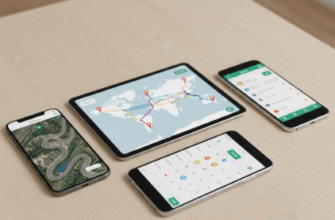
Bulk stores, farmers markets, refill stations for water and cleaning supplies, even some gas stations with composting bins (mostly on the West Coast, I’ve noticed, though that’s changing). I use an app called Litterless that maps zero waste shops, but honestly Google Maps works fine if you search “bulk foods near me” or “farmers market” in whatever town you’re passing through. Pack your own containers—I mean really pack them, not just toss a tote bag in the trunk and call it done. You want glass jars for wet stuff, cloth bags for dry goods, a good cooler (this matters more than you’d think), and utensils that won’t break. Bamboo is fine but I’ve seen metal last longer. Wait—maybe the most important thing is food prep before you even leave, because road food is where waste piles up fast.
Pack Your Kitchen, Not Just Your Clothes (And I Mean It Literally)
This sounds excessive until you’re three days into a trip and realize you’ve avoided maybe 30 disposable containers.
I bring a cutting board, a decent knife, olive oil in a small jar, salt, pepper, hot sauce (non-negotiable), and bread that won’t go stale in 12 hours—sourdough works, or those dense seeded loaves. You can make surprisingly good meals in rest areas if you’ve got fresh vegetables, cheese, maybe some hummus you scooped from a bulk bin. I’ve made salads on the hood of my car. I’ve assembled sandwiches on picnic tables while other people microwaved gas station burritos in plastic. It’s not glamorous, but it works, and you feel better—physically, I mean, but also ethically, I guess. The cooler thing is real: invest in one that actually keeps ice for more than six hours, because melted ice means soggy food means you end up buying packaged garbage out of desperation. I learned this the hard way in Nevada in July and I’m still annoyed about it.
Lodging Choices That Don’t Involve Lecturing Your Airbnb Host About Their Trash Habits
Camping is the obvious low-waste option, but not everyone wants to sleep on the ground for a week.
I get it. Look for hotels or rentals that explicitly mention sustainability practices—some places now advertise refillable soap dispensers, no single-use toiletries, composting programs. It’s becoming more common, especially in areas that attract the outdoorsy crowd. If you’re camping, pack reusable everything: dishes, mugs, cloth napkins (yes, really), biodegradable soap, and please for the love of god don’t use paper plates just because you’re outside. I’ve seen people do this and it makes no sense. You’re already in nature, just wash your stuff in a basin and scatter the biodegradable soapy water away from water sources. Also, campfires: if you’re cooking over one, you’re already reducing energy waste, but don’t burn trash in it. I know it’s tempting. Don’t.
The Bathroom Situation Nobody Wants To Talk About But We’re Doing It Anyway
Okay, so: toiletries are a sneaky waste source on road trips.
Those little hotel shampoo bottles add up. Bring bars—shampoo bars, soap bars, even conditioner bars now exist and they actually work. I was skeptical too. Put them in metal tins so they don’t turn into goo in your bag. Toothpaste tablets are a thing (they taste weird at first, you adjust). Deodorant comes in cardboard tubes now, or you can make your own if you’re into that, though I’m not personally because I have limits. Sunscreen is harder—most zero waste options don’t work as well, so I buy the most recyclable container I can find and accept that this is one area where I haven’t figured it out yet. Periods: if you have them, menstrual cups or reusable pads are way easier on the road than you’d expect, and you’re not desperately searching for a trash can every few hours.
What To Do When You Inevitably Fail (Because You Will, And That’s The Point)
Here’s the thing nobody tells you: you will generate waste on a road trip, even a zero waste one.
I once bought a pre-packaged sandwich because I was starving and there were no other options for 90 miles, and I felt guilty for maybe 20 minutes, and then I ate it and moved on with my life. The goal isn’t zero trash, it’s significantly less trash. If you reduce your waste by 70% compared to a typical road trip, that’s a massive win. Track it if you’re curious—I kept a small bag of non-recyclable trash on my last trip and it was about the size of a soccer ball after two weeks, which felt pretty good compared to the industrial-sized garbage bag I would’ve filled otherwise. Document what worked and what didn’t, because you’ll do this again, and each time you’ll get better at it. I’ve found that the more you practice this stuff, the less it feels like deprivation and the more it just becomes how you travel. Anyway, I think that shift—from effort to habit—is maybe the real point of all this, not the trash bag in a jar thing.