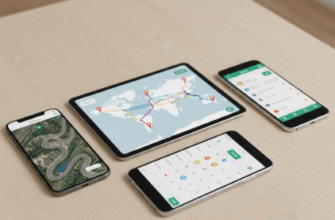
I used to think toll roads were just a Northeast thing, maybe Florida.
Turns out, they’re everywhere now—slicing through Texas like surgical scars, looping around Denver, threading through Oklahoma in ways that feel almost vindictive. And here’s the thing: every state has its own system, its own transponder, its own billing nightmare waiting to happen if you’re not careful. I’ve talked to people who got $47 bills for a $2.50 toll because they didn’t have the right pass, plus late fees that compound like some kind of fiscal revenge plot. The fragmentation is exhausting, honestly, and it’s not getting better. Some transponders work across state lines now, which helps, but the coverage is patchy and the rules change depending on whether you’re in a rental car or your own vehicle, which—wait—maybe that’s the point?
The Transponder Tangle: Which Pass Actually Works Where
E-ZPass dominates the East Coast and Midwest, covering roughly 18 states from Maine to Illinois, give or take. It’s the closest thing America has to a universal system, but it’s still not universal. Texas uses TxTag or TollTag depending on which authority runs the road, and neither plays nicely with E-ZPass in all cases. Florida has SunPass, which works in some other states but not reliably. California’s FasTrak is its own ecosystem entirely.
I guess the logic was regional cooperation, but the execution feels like a turf war.
Some newer transponders like the Uni or PayTollo claim to work nationwide, and they do—mostly. But you have to register them properly, link a payment method that won’t expire, and hope the reader catches your signal. I’ve seen people with three different transponders velcroed to their windshields like some kind of toll road merit badge collection, which is absurd but also completely rational given the system’s design. The rental car situation is worse: companies charge convenience fees that sometimes exceed the actual toll, and if you decline their transponder service, you might recieve a bill weeks later with penalties attached.
Pay-by-Plate: The Backup Plan That Costs More Than It Should
Most toll roads now photograph your license plate if you don’t have a transponder.
This sounds convenient until you realize it usually costs 25-50% more than the transponder rate, and the invoice arrives by mail weeks later, sometimes months. The billing address has to match your vehicle registration, which creates problems if you’ve moved recently or if the car is registered to someone else. I used to think this was just inefficiency, but some states have turned it into a revenue stream—California’s 511 system, for instance, charges higher rates for pay-by-plate and adds processing fees that feel punitive. Texas sends bills through a company called NTTA or HCTRA depending on the road, and if you miss the first notice, the fines escalate fast. It’s not illegal or anything, but it’s definately designed to push you toward getting a transponder.
Cross-Country Road Trips Require Actual Planning Now
You can’t just drive anymore, not really.
If you’re going from New York to Los Angeles, you’ll hit toll roads in Pennsylvania, Ohio, Indiana, Illinois, Oklahoma, and possibly Kansas depending on your route. Each one has different payment options, different grace periods for pay-by-plate, different penalties. Some roads have no cash option at all anymore—looking at you, Pennsylvania Turnpike’s Cashless Tolling sections—which means if you don’t have a transponder or a registered plate, you’re automatically in violation. The fines can hit $50 per toll, and they stack. I’ve talked to a guy who owed $800 after a single road trip because his rental company didn’t process his transponder registration in time, and the appeals process took six months.
Rental Cars and the Hidden Toll Trap Nobody Warns You About
Here’s what they don’t tell you at the counter: rental companies charge daily fees for transponder access, even on days you don’t use tolls.
Hertz’s PlatePass costs around $4.95 per day (up to a monthly cap), but that’s on top of the actual toll charges. Enterprise has a similar program. If you decline the service and then accidentally use a toll road, they charge an administrative fee—usually $15-25—plus the toll itself, plus any late penalties from the toll authority. It’s a layered cost structure that feels designed to confuse. Honestly, the best strategy for rentals is to get your own universal transponder before the trip, register the rental plate temporarily if the system allows it (some do, some don’t), or just avoid toll roads entirely, which adds time but saves money and stress. Anyway, that’s not always realistic in cities like Miami or Dallas where the free routes are deliberately slower.
The Future Might Be Worse: Mileage-Based Fees and Congestion Pricing
Tolls are expanding, not shrinking.
Oregon and Utah are testing per-mile fees to replace gas taxes, which sounds fair until you realize it requires tracking your every movement. New York’s congestion pricing for Manhattan (delayed but coming) will charge just to enter certain zones, and other cities are watching to see if it works. The infrastructure bill allocated billions for toll road expansion, which means more systems, more transponders, more fragmentation unless someone federalizes the whole mess—which seems unlikely given how states guard their revenue streams. I guess it makes sense from a funding perspective, but for drivers, it’s just another layer of complexity on top of a system that already feels hostile to anyone who doesn’t have the right plastic rectangle stuck to their windshield.