I used to think altitude sickness was something that happened to other people—mountain climbers, hardcore hikers, people who actually trained for this stuff.
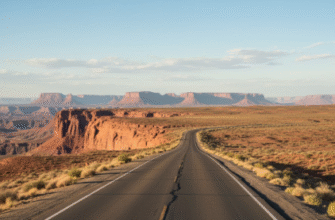
Then I drove the Independence Pass in Colorado one summer, and by the time I reached 12,095 feet, my head was pounding so hard I could barely focus on the switchbacks. My husband kept asking if I was okay, and I kept insisting I was fine, even though I definately wasn’t. That’s when I learned that altitude sickness doesn’t care about your fitness level, your age, or whether you’re summiting Everest or just trying to drive through it. Your body notices when oxygen levels drop—usually around 8,000 feet, give or take—and it starts complaining. The symptoms can hit fast: headache, nausea, dizziness, that weird feeling like you’ve had three glasses of wine on an empty stomach. And here’s the thing: when you’re behind the wheel, those symptoms aren’t just uncomfortable. They’re dangerous.
Anyway, most people don’t realize how quickly it happens. You’re driving along, enjoying the scenery, maybe feeling a little lightheaded, and suddenly you’re struggling to concentrate on the road.
Why Your Brain Gets Foggy When the Air Gets Thin (And What That Means Behind the Wheel)
At sea level, the air is roughly 21 percent oxygen. At 10,000 feet, the air pressure drops so much that each breath delivers about 30 percent less oxygen to your bloodstream. Your brain, which uses about 20 percent of your body’s oxygen supply despite being only 2 percent of your body weight, notices this deficit immediately. It’s not getting what it needs, and it starts misfiring—well, not literally misfiring, but you get slower reaction times, impaired judgment, and this strange cognitive fog that makes even simple decisions feel harder. I’ve seen people at high-altitude rest stops staring at vending machines for five minutes, unable to decide between Doritos and pretzels. Now imagine making split-second driving decisions in that state, especially on roads with steep drop-offs and hairpin turns. Wait—maybe I’m being dramatic, but the research backs this up: studies show that cognitive function measurably declines at altitudes above 8,000 feet, and driving performance drops accordingly.
The weird part is how subtle it feels from the inside. You don’t necessarily realize you’re impaired.
The Acclimatization Tricks That Actually Work (Before You Start Your Mountain Drive)
Here’s what the high-altitude medicine people will tell you: the best prevention is ascending gradually. Spend a night or two at a moderate elevation—say, 5,000 to 7,000 feet—before tackling the really high passes. Your body starts producing more red blood cells, your breathing rate adjusts, and you give your system time to recalibrate. I guess it makes sense evolutionarily; humans have lived at high altitudes for thousands of years, from the Andes to the Himalayas, and our bodies know how to adapt. They just need time. Hydration helps too, though nobody’s entirely sure why—some researchers think it improves oxygen delivery, others say it just helps you feel better overall. Either way, drink more water than you think you need, starting at least 24 hours before your drive. Avoid alcohol the night before, because it worsens dehydration and can amplify altitude symptoms. And here’s something I learned the hard way: eat a carbohydrate-rich meal before you go. Your body metabolizes carbs more efficiently at altitude than fats or proteins, and you need that energy. One study from the U.S. Army Research Institute found that carb-loading improved cognitive performance at 14,000 feet by roughly 15 percent, which isn’t nothing when you’re trying to navigate a mountain pass.
Honestly, the best trick is just admitting when you need to pull over.
What to Do When Symptoms Hit Mid-Drive (Because They Probably Will)
Let’s say you’re already up there, and you start feeling awful. First thing: find a safe place to stop. Turnouts exist for a reason, and mountain highways usually have plenty of them. Get out of the driver’s seat. Let someone else take over if you can, or just wait it out for 20 to 30 minutes. Sometimes your body catches up if you give it a chance. Drink water, eat something salty (potato chips work), and take some ibuprofen for the headache—acetaminophen works too, but ibuprofen seems to help more people, anecdotally. If you’ve got portable oxygen, use it; those little canisters you can buy at ski shops or outdoor stores actually do help, delivering concentrated oxygen that bypasses the whole thin-air problem. Some drivers swear by them, keeping a couple in the car for emergencies. The symptoms usually improve within 30 minutes to an hour if you rest at the same elevation. But—and this is important—if they don’t improve, or if they get worse, you need to descend. There’s no shame in turning around or finding a lower route. Severe altitude sickness can progress to pulmonary or cerebral edema, both of which are medical emergencies, and while that’s rare below 12,000 feet, it happens.
Turns out, your body knows what it needs better than your pride does.
The Medications and Supplements People Use (And Whether They Actually Help or Just Drain Your Wallet)
Acetazolamide, sold as Diamox, is the prescription medication most doctors recommend for altitude sickness prevention. It works by making your blood slightly more acidic, which tricks your body into breathing faster and taking in more oxygen. You start taking it a day or two before ascending, and it genuinely helps—studies show it reduces symptoms in about 75 percent of people. But it has side effects: tingling fingers and toes, frequent urination, and weirdly, it makes carbonated drinks taste flat. Some people also swear by ginkgo biloba, though the evidence is mixed; a few small studies show benefit, others show nothing. Coca tea, which people drink in Peru and Bolivia, contains tiny amounts of cocaine alkaloids and might help slightly, but it’s illegal in many countries, so that’s probably not an option for most drivers in Colorado or California. Honestly, I’m skeptical of most supplements—the placebo effect is strong, and the supplement industry isn’t exactly known for rigorous quality control. But if you’re prone to altitude sickness and you’re planning a big mountain drive, talking to your doctor about acetazolamide might be worth it. Just don’t expect any medication to be a magic bullet. You still need to acclimatize, hydrate, and listen to your body.
I guess the real lesson is that mountains don’t care about your schedule.