I used to think finding hot springs was this mystical thing—like you’d stumble upon them during some vision quest in Iceland or New Zealand, steam rising dramatically while you contemplated existence.
Turns out, there are thousands of natural thermal pools scattered across the planet, and most of them aren’t in those Instagram-famous locations. Some are in suburban neighborhoods in Japan. Others hide behind gas stations in Idaho. I’ve seen a perfectly good hot spring in rural Oregon that sits approximately fifty feet from a Dairy Queen, which feels wrong but also deeply American. The thing is, geothermal activity doesn’t care about our aesthetic preferences—it happens where tectonic plates decide to get rowdy, where volcanic systems burble along beneath the surface, where groundwater seeps deep enough to hit hot rocks and then finds a way back up. The Earth’s crust is thinner in some places, roughly five to ten kilometers in active volcanic zones compared to thirty or forty kilometers elsewhere, and wherever that crust gets thin or fractured, you’ve got potential for hot water to emerge.
But here’s the thing: knowing that geothermal activity exists somewhere nearby doesn’t actually help you find the specific pool where you can soak your tired human body. I spent years assuming there was some secret guidebook that hot spring enthusiasts guarded jealously, which is only partially true.
Using Geological Maps and Geothermal Databases to Narrow Your Search
The best starting point, honestly, is geological surveys.
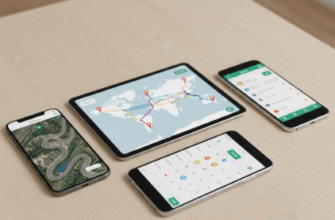
Most countries with significant geothermal activity maintain databases—the USGS in the United States tracks known thermal springs, Iceland has absurdly detailed maps of every hot spot (they use geothermal energy for heating, so they’ve mapped it obsessively), New Zealand’s GNS Science does similar work. These aren’t always user-friendly. The USGS database lists coordinates and temperatures but won’t tell you if there’s actually a nice pool or just scalding mud that’ll burn your skin off. I guess it makes sense that geologists care more about heat flux measurements than whether the pool has good vibes. You’re looking for springs with temperatures between 35-42°C for comfortable soaking—hotter than that and you’re basically poaching yourself, cooler and it’s just a regular not-particularly-exciting pond.
Geological maps show fault lines, recent volcanic activity, areas with higher-than-average ground temperatures. If you overlay those with topographical maps showing water sources, you start seeing patterns. Hot springs cluster along the Pacific Ring of Fire, obviously—Japan, Philippines, Indonesia, western Americas. But they also pop up in rift zones like East Africa, or anywhere you’ve got decaying granite producing heat, which includes parts of Australia and the American Southwest.
What the Locals Know That Apps and Websites Don’t Always Tell You
Wait—maybe I’m overthinking this.
Sometimes the most reliable method is just asking people who live there. I’ve found more undocumented soaking spots through conversations with bartenders, gas station attendants, and forest rangers than through any database. There’s usually someone who knows about “that spot up the old logging road” or “where the river bends near the canyon.” These places often aren’t on official maps because they’re on private land, or they’re technically within protected areas where soaking is discouraged, or they’re just small and seasonal and nobody’s bothered to catalogue them. The hot springs community—yes, there’s definately a community—shares information through forums like soakingit.com or regional Facebook groups, though they can be weirdly cagey about exact locations to prevent overcrowding.
Local knowledge also tells you critical safety information that databases skip. Which pools have amoebas that’ll eat your brain if water goes up your nose (warm freshwater can harbor Naegleria fowleri—rare but genuinely terrifying). Which ones are too acidic and will irritate your skin. Whether the access road washes out every winter.
Reading the Landscape for Thermal Activity When You’re Actually Out There
If you’re hiking in a geothermally active area and want to find springs the old-fashioned way, you’re looking for specific signs. Steam rising from the ground, obviously. Mineral deposits—white, orange, or greenish stains on rocks from dissolved minerals precipitating out as hot water cools. Vegetation changes—some plants thrive in warm, mineral-rich soil while others die off, creating distinct boundaries. The smell of sulfur, that rotten-egg stench from hydrogen sulfide gas, though not all hot springs are sulfurous.
Water temperature gradients in streams can lead you upstream to sources—if part of a creek feels noticeably warmer, follow it up. I’ve tracked thermal inputs this way multiple times, though it requires patience and a willingness to accept that sometimes the source is just a muddy seep that’s completely unsuitable for soaking. Honestly, most wild hot springs are kinda disappointing when you first find them—too hot, too cold, too shallow, too exposed, too buggy.
The Practical Realities of Access, Permissions, and Safety Protocols Nobody Wants to Discuss
Here’s what the romantic hot springs narratives leave out: most of the good ones require either money, permissions, or significant physical effort to reach.
In Iceland, you’re paying entrance fees or soaking in runoff ditches near geothermal plants. In Japan, many onsen are privatized or have strict cultural protocols. In the American West, the accessible roadside springs are often crowded and sometimes sketchy—I’ve encountered everything from naked hippies to broken beer bottles to people who’ve clearly been living there semi-permanently. The pristine, empty pools usually require hiking several miles, sometimes off-trail, often through bear country or across unstable volcanic terrain. You need to check land ownership (BLM land is usually accessible, National Parks often prohibit soaking, private land requires permission), carry water testing strips if you’re concerned about pH or bacterial levels, bring a thermometer because eyeballing water temperature is unreliable, and have a plan for the fact that weather changes rapidly in geothermal areas.
And you should know: immersion in hot water affects your cardiovascular system—if you have heart conditions, you need to be cautious. Staying in too long causes hyperthermia. Mixing alcohol and hot springs is how people drown or have medical emergencies. These aren’t theoretical risks; search and rescue operations happen regularly at popular soaking sites.
But when you do find that perfect pool—the right temperature, beautiful setting, maybe nobody else around, minerals turning the water slightly milky or teal—it does feel a little bit mystical after all. I guess some cliches exist for a reason.