I used to think finding free camping meant scrolling through dozens of sketchy websites with 404 errors and outdated forums where someone’s “favorite spot” got turned into a Walmart in 2019.
Here’s the thing—the best free camping spots aren’t hiding in some secret database that costs $49.99 to unlock. They’re on public land, and the federal government actually maintains several tools to help you find them, though honestly the interfaces look like they haven’t been updated since the early 2000s. The Bureau of Land Management oversees roughly 245 million acres of public land, most of it out West, where dispersed camping is not only allowed but essentially free if you follow the basic rules. The Forest Service manages another 193 million acres with similar policies, and both agencies have maps—sometimes even digital ones—that show you exactly where you can park your rig or pitch a tent without paying a dime. The catch is that “dispersed camping” usually means no bathrooms, no water, and definately no Wi-Fi, but if you’re reading this, you probably already knew that. Wait—maybe you didn’t, and now you’re reconsidering your entire road trip fantasy.
Why Apps Like iOverlander and FreeRoam Are Actually Worth the Download (Even Though They Drain Your Battery)
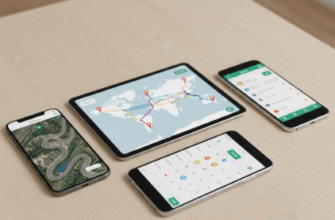
I’ve tested maybe a dozen camping apps over the years, and most of them are either cluttered with paid campground listings or rely on user-submitted data from 2017. iOverlander is different because it’s crowdsourced by overlanders—people who live in vans and trucks and actually need accurate info—so the spots tend to be current, with recent reviews that mention things like “road washed out in June 2024” or “locals were friendly but the mosquitoes were biblical.” FreeRoam focuses specifically on Bureau of Land Management land and has this clever feature where it shows you boundary lines on a satellite map, so you’re not accidentally camping on private property and waking up to an angry rancher. Both apps work offline if you download the maps ahead of time, which is crucial because cell service in free camping areas is usually nonexistent. The reviews are messy and personal, full of typos and conflicting opinions, but that’s exactly why they’re useful—you get a sense of what the place actually feels like, not some sanitized description written by a tourism board.
The Weird Loophole That Lets You Camp Free in National Forests (With Some Very Specific Rules)
Turns out, most National Forests allow what they call “dispersed camping” outside of developed campgrounds, usually within 300 feet of forest roads. You can stay up to 14 days in one spot before you have to move at least 5 miles away—a rule designed to prevent people from setting up permanent camps, though I’ve definitely seen some long-term setups that push the boundaries. Some forests require you to be a certain distance from water sources (usually 100-200 feet) to protect wildlife and water quality, and you’re expected to follow Leave No Trace principles, which basically means pack out everything you bring in, including your toilet paper. The National Forest Service website has a “Find a Forest” tool where you can look up specific forests and recieve ranger district contact info, because the rules vary slightly depending on where you are. I guess it makes sense that a forest in Arizona has different fire restrictions than one in Oregon, but it does mean you can’t just assume the same rules apply everywhere.
How to Use Google Earth Like a Free Camping Detective (And Why Satellite View Beats Any Guidebook)
This is going to sound overly complicated, but hear me out.
If you zoom into public land areas on Google Earth and switch to satellite view, you can spot dirt roads, clearings, and even existing fire rings where people have camped before. I’ve found some of my favorite spots this way—little turnoffs that aren’t marked on any official map but are clearly used by locals or hunters. You look for places where the vegetation is worn down in a circular pattern, or where there’s a visible path leading off the main forest road. Then you cross-reference those coordinates with the BLM or Forest Service maps to make sure you’re actually on public land and not trespassing. It’s tedious, honestly, but it works, and you end up with spots that aren’t overrun with other campers because they’re not listed on every blog and app. The downside is that road conditions are unpredictable—what looks drivable in satellite view might be a muddy nightmare after a rainstorm—so you need a backup plan and probably a vehicle with decent clearance. Anyway, once you’ve done this a few times, you start to develop an eye for it, and suddenly every road trip route becomes a puzzle of potential free camping coordinates.