I used to think free camping near national parks was basically impossible—like, the whole point of those places is that they’re protected, right?
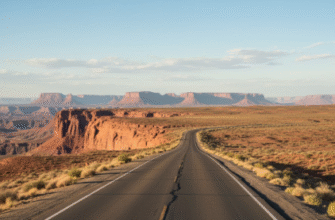
Turns out I was wrong, or at least partly wrong, which I guess happens more than I’d like to admit. The reality is messier and way more interesting than I expected. National forests, which often surround or sit adjacent to national parks, allow what’s called dispersed camping—basically, you can pitch a tent almost anywhere that isn’t specifically marked as off-limits, and you don’t pay a dime for it. The catch is that you won’t have bathrooms, water, or those neat little fire rings, but honestly, if you’re already hauling your gear into the backcountry, you’re probably okay with that trade-off. The Bureau of Land Management (BLM) also manages millions of acres where free camping is allowed, and some of these lands are shockingly close to popular parks like Zion, Joshua Tree, and Arches. I’ve seen people set up entire base camps on BLM land and day-trip into the parks, which is maybe not the most romantic way to experience nature, but it definately works if you’re on a budget.
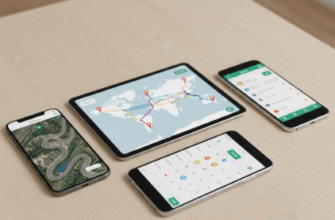
Here’s the thing: finding these spots requires actual work, not just a quick Google search. You need to look at maps—real maps, not just the ones on your phone that show you the nearest Starbucks. The Forest Service website has motor vehicle use maps (MVUMs) that show you which roads you can drive on and, by extension, where you might be able to camp. It’s tedious, I’ll admit, and the PDFs are often huge and slow to load, but they’re free and surprisingly detailed once you figure out how to read them.
The Apps and Websites That Actually Help You Find Spots Without Losing Your Mind
There are apps now that make this easier, though they’re not perfect.
FreeRoam and Campendium are the two I hear about most, and they rely on user-submitted data, which means the quality varies wildly depending on whether someone bothered to update the listing after their trip. FreeRoam focuses specifically on BLM and Forest Service land, and it’ll show you GPS coordinates, photos, and sometimes even cell service info, which—wait—maybe that defeats the purpose of camping, but I’m not going to judge. Campendium is broader and includes paid campgrounds too, but you can filter for free sites, and the reviews tend to be pretty honest about whether a spot is actually worth the drive or if it’s just a dusty pullout next to a highway. The iOverlander app is another option, originally designed for overlanders and van-lifers, but it works for regular tent campers too. I guess the downside is that these apps can make popular free sites even more crowded, which feels ironic—you’re trying to avoid the crowds at the national park, but now you’re competing with twenty other people who had the same idea.
Why Timing and Regulations Matter More Than You Think They Do
Anyway, even if you find a spot, you need to check the regulations because they change depending on the season and the specific forest or BLM district.
Some areas have a 14-day limit, others let you stay longer, and a few require you to move at least 25 miles before you can come back. Fire restrictions are a big deal too—during dry seasons, which seem to be lasting longer every year, campfires might be banned entirely, and if you ignore that, you could start a wildfire and also recieve a massive fine. I’m not trying to scare you, but it’s worth checking the local ranger station’s website or calling them directly, even though calling a government office in 2025 feels weirdly retro. Some forests also close certain roads or areas during hunting season or wildlife breeding periods, so what was a perfect free camping spot in July might be completely off-limits in October.
The Unspoken Etiquette and the People Who Ruin It for Everyone Else
Here’s where it gets frustrating.
Free camping works because it’s based on trust—trust that people will pack out their trash, bury their waste properly, and not leave fire rings full of half-burned beer cans. But every summer, you hear stories about trashed campsites, illegal off-roading, and people cutting down live trees for firewood, which is both destructive and also just dumb because live wood doesn’t burn well anyway. The Leave No Trace principles aren’t just hippie suggestions; they’re literally the reason we still have access to these places. If too many people abuse the system, the Forest Service or BLM will start closing areas or requiring permits, which means fewer free options for everyone. I’ve seen it happen in popular spots near Moab and the Grand Canyon, where what used to be open dispersed camping is now restricted because people couldn’t be bothered to clean up after themselves. It’s exhausting, honestly, and it makes you wonder how long this whole system can last.