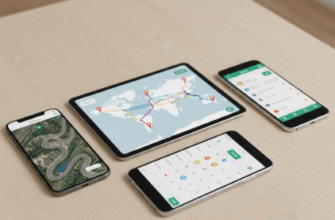
I spent three months last year living out of a Honda Civic, working remotely from rest stops across the Southwest, and the thing nobody tells you is how quickly you start calculating everything in terms of parking lots with decent cell signal.
The romantic idea of the road trip lifestyle—endless highways, spontaneous detours, freedom from the cubicle—crashes pretty hard into reality when you realize you need actual money to keep moving. I used to think digital nomadism was just for tech bros with venture capital savings accounts, but turns out there’s a whole ecosystem of jobs that actually support constant movement, if you know where to look. Some are obvious: freelance writing, graphic design, the usual remote work suspects. But others are weird and specific in ways I didn’t expect. Like, there’s a guy I met in Moab who inspects RV parks for a living, drives from site to site, gets paid per inspection plus mileage. Another woman I crossed paths with in Sedona was a traveling notary—apparently certain legal documents require in-person signatures, and she’d mapped out routes through retirement communities in Arizona and New Mexico where demand was steady. The pay wasn’t spectacular, roughly $40-60k depending on volume, but her overhead was basically gas and a printer.
Here’s the thing: the jobs that work best aren’t always the ones with the highest hourly rate. They’re the ones with the most flexible scheduling and the lowest dependency on fixed infrastructure. I learned this the hard way after taking a remote customer service gig that required me to be online 9-5 Eastern, which sounds fine until you’re scrambling to find WiFi in rural Utah at 7am Mountain Time because you miscalculated time zones.
The Seasonal Circuit That Actually Pays Your Insurance Premiums
Seasonal work gets dismissed as “just for kids” or summer gigs, but wait—maybe that’s the whole point.
The people I met who’d been doing this for years, not just a Instagram-worthy summer, had figured out the circuit. Campground hosts in national parks during summer (usually comes with a free site plus $15-20/hour), ski resort jobs in winter (lift operators, rental shop staff, sometimes housing included), then shoulder seasons doing agricultural work or festival staffing. One guy had it down to a science: May through September at Glacier National Park, October at a pumpkin patch in Vermont, November through March at a Colorado ski town, April doing tax prep remotely because he’d gotten certified years ago and kept renewing his credentials. His annual income was around $35k, which sounds low until you realize he paid almost nothing for housing and his major expense was vehicle maintenance. He maxed out his Roth IRA every year, which is more than most people with traditional jobs manage to do, honestly.
The key was stacking jobs that provided accommodation or at least parking. Harvest work—picking apples, sorting grapes, processing crops—often comes with on-site camping. Music festivals hire advance teams weeks before the event, and many let you camp on-site. Amazon’s CamperForce program (yeah, the warehouse company) specifically recruits RV travelers for seasonal warehouse work, provides parking and hookups.
Teaching English to Screens Instead of Classrooms Because Time Zones Are Negotiable
I guess it makes sense that online English teaching became huge for travelers, but I didn’t realize how fragmented the market is.
There’s the big platforms everyone knows—VIPKid, Cambly, iTalki—but also dozens of smaller companies serving specific niches. Corporate English training for Japanese pharmaceutical companies. Exam prep for Korean high schoolers. Conversation practice for Brazilian executives. The pay ranges wildly, from $10/hour for unstructured conversation sessions to $40+ for specialized business English or test prep. The schedule flexibility is the real asset, though. You can teach Korean students during their evening (your morning if you’re parked on the West Coast) or European clients during their afternoon (your very early morning, admittedly, which is rough). I met a woman in Taos who taught exclusively early mornings—4am to 8am—then had entire days free for hiking. She’d been doing it for four years, made about $45k annually, and had developed a regular student base who reccomended her to friends.
The actual requirements vary. Some platforms want teaching certificates or degrees; others just want native speakers with reliable internet. The investment is usually minimal: decent headset, maybe a ring light, absolutely stable internet which is the hard part when you’re mobile.
The Unglamorous Truth About Van Life Income Streams That Don’t Rely on Sponsored Instagram Posts
Honestly, the Instagram version of road trip employment is maybe 5% of reality.
Most people I encountered were cobbling together multiple income sources. A nurse doing travel nursing contracts—13 week assignments in different cities, housing stipends included, pay often 30-40% higher than permanent positions. A software developer who’d negotiated fully remote work before quitting his apartment, saved $2800 monthly on rent and redirected it to savings and travel. A couple who’d started a pressure-washing business with equipment that fit in their truck bed, found clients through local Facebook groups wherever they landed, charged $200-500 per job depending on size.
The pattern I noticed: successful road-trippers treated employment like portfolio diversification. Primary income source (remote job, seasonal circuit, teaching), secondary hustle (freelance skills, gig work), and usually some kind of passive element they were building toward (blog that might eventually monetize, YouTube channel with 15 subscribers and growing, an Etsy shop for crafts made at campsites). Not because any single stream was reliable, but because three unreliable streams together created something sustainable, give or take.
The unglamorous part is the administrative overhead. Managing taxes across multiple states, finding health insurance that works nationwide (spoiler: it’s expensive and complicated), maintaining professional licenses or certifications without a permanent address. I watched a traveling physical therapist spend an entire afternoon on the phone with her state licensing board trying to explain that yes, she still needed her California license even though she was currently treating patients in New Mexico under a temporary compact agreement.
But also—and maybe this is just me trying to justify the months I spent with all my possessions in garbage bags—there’s something clarifying about stripping your employment down to what’s actually portable. You figure out pretty quickly which skills have real market value and which were just artifacts of office politics and geographic convenience. Turns out I could write from anywhere. Turns out that was enough, barely, to keep moving.