I used to think finding a clean restroom on a road trip was pure luck.
Turns out there’s actually a whole ecosystem of apps, insider knowledge, and unspoken traveler codes that can help you avoid those nightmarish gas station bathrooms with flickering lights and mysterious puddles. I’ve spent probably too much time researching this—maybe because I’ve had one too many bad experiences on long drives through the Southwest, or maybe because I’m just weirdly fascinated by how something so basic can feel so impossible when you’re 200 miles from anywhere. The truth is, clean facilities exist, but they’re hidden in plain sight: tucked behind certain chain stores, listed on crowdsourcing apps that truckers use, or marked by subtle patterns that frequent travelers recognize instinctly. Once you know where to look, the whole landscape of American highways starts to reveal itself differently.
Here’s the thing: not all rest stops are created equal. Some states—Oregon, I’m looking at you—maintain their facilities like they’re public monuments. Others treat them like afterthoughts. The difference often comes down to funding and state pride, which sounds abstract until you’re desperately comparing your options at 3 PM on a Tuesday.
The Apps and Crowdsourced Wisdom That Actually Help When You’re Desperate
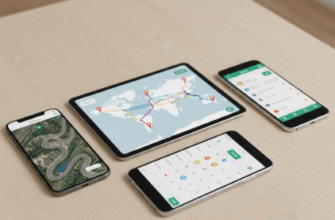
Wait—maybe I should back up and explain how I even discovered this whole world. A few years ago, someone on a road trip forum mentioned an app called Sit or Squat, which lets users rate restrooms and mark them with color codes. Red means probably avoid unless you’re truly desperate. Green means you can walk in with confidence, maybe even barefoot if you’re feeling reckless (don’t do that). The app has roughly 100,000 listings across North America, give or take, and while it’s not perfect—some reviews are outdated, some are suspiciously enthusiastic—it’s genuinely useful.
Then there’s Flush, another app that works globally and includes photos, which honestly is both helpful and occasionally horrifying. Truckers have their own networks too: apps like Trucker Path include restroom reviews because professional drivers know better than anyone which facilities are maintained and which ones are biohazards. I guess it makes sense that the people who spend 300+ days a year on the road would develop the most sophisticated knowledge about this.
But apps only tell part of the story.
The real wisdom comes from understanding patterns in the physical landscape itself. Big-box retailers—Target, Whole Foods, Barnes & Noble—almost always maintain cleaner restrooms than gas stations because their business model depends on customers lingering, browsing, spending time inside. They have staff dedicated to checking facilities every hour or so, whereas a rural gas station might have one employee managing everything. Fast food chains vary wildly: Chick-fil-A and Panera generally maintain higher standards, while I’ve learned to approach most highway McDonald’s with lowered expectations and hand sanitizer at the ready. Hotels will sometimes let you use their lobby restrooms if you walk in confidently and don’t make eye contact with the front desk staff—not exactly ethical, but I’m not going to pretend I haven’t done it when desperate. Visitor centers, especially in national parks or scenic areas, are usually immaculate because they’re designed to make good impressions on tourists who might be visiting that state for the first time.
The Unspoken Geography of Clean Facilities and Why Timing Matters More Than You’d Think
Honestly, timing might matter more than location. Early morning—between 6 and 8 AM—is when most facilities get their thorough cleaning. If you hit a rest stop at 7:15 AM, you’re probably walking into a freshly scrubbed space. By mid-afternoon, especially on summer weekends when traffic peaks, those same facilities can look apocalyptic. I’ve seen the same rest stop in upstate New York look like a spa at dawn and like a disaster zone by 4 PM.
There’s also seasonal variation that nobody talks about. Winter travel usually means cleaner facilities because there’s less traffic, fewer families with small children learning to use public restrooms, and lower temperatures mean smells don’t accumulate as intensely. Summer—particularly July when everyone’s on vacation—is bathroom hell.
Some travelers swear by the “exit before” strategy: instead of stopping at the rest area right when you need to, they look ahead to the next exit with a small town. Those local cafes or libraries often have single-occupancy restrooms that see maybe 20 people a day instead of 200. It requires more planning and adds maybe 5-10 minutes to your trip, but the payoff in cleanliness can be dramatic. I used to think this was overthinking it, but after experiencing the difference myself, I’m a definite convert now.
One last thing that surprised me: college campuses. If your route takes you through a town with a university, those student unions and library buildings usually have excellent facilities that are open to the public during daytime hours. Students complain about everything, so administrations keep those bathrooms well-maintained. It’s an weird loophole in the geography of American restrooms, but it works.
Anyway, the point is that finding clean facilities isn’t really about luck—it’s about information, timing, and understanding the economic and social structures that determine how spaces get maintained. Which sounds overly academic for talking about bathrooms, but here we are.