I used to think truck stops were just for, well, truckers.
Turns out—and I mean this literally changed how I road trip—these sprawling concrete islands off the interstate are actually some of the safest, most reliable spots for overnight parking if you’re driving cross-country in an RV, van, or even just a regular car and need to crash for a few hours. I’ve talked to enough vanlifers and long-haul families to know that the unofficial hierarchy goes something like this: truck stops are safer than rest areas, way safer than random parking lots, and generally more welcoming than you’d expect. The big chains—Pilot Flying J, Love’s, TA/Petro—have basically built an entire ecosystem around the idea that people need to park, sleep, shower, eat, and maybe buy some jerky at 3 AM. And here’s the thing: they *want* your business, even if you’re not hauling 40,000 pounds of freight.
Finding Truck Stops That Actually Allow Overnight Parking (and Won’t Tow You)
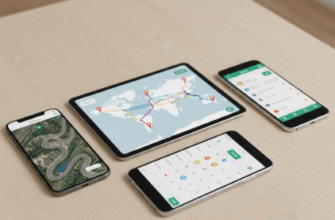
So the first step is knowing which truck stops are cool with overnight parking and which ones will slap a “No Overnight Parking” sign in your face. Most of the major chains allow it, but there’s this weird patchwork of local ordinances and individual location policies that can mess you up. I usually start with apps like Trucker Path or AllStays, which crowdsource real-time info from actual drivers about whether a spot is legit. You can filter by amenities—showers, Wi-Fi, whether the parking lot is well-lit—and read reviews that’ll warn you if the place is sketchy or if the lot fills up by 6 PM.
The unwritten rule, which I guess is now written because I’m writing it, is to call ahead if you’re unsure. I know, I know, phone calls in 2025 feel anachronistic, but a quick “Hey, can I park my camper van overnight?” saves you from getting woken up by security at 2 AM. Some locations have designated RV/car parking separate from the truck lanes, which is clutch because you definately don’t want to accidentally block a trucker who’s on a tight delivery schedule.
What to Expect When You Roll In After Midnight
Okay, so you’ve found a spot, you’ve confirmed it’s cool to park overnight—what now?
First, the vibe is… utilitarian. Bright fluorescent lights everywhere, the constant hum of idling diesel engines, occasional bursts of air brakes. It’s not glamorous. But it’s also weirdly comforting? Like, there’s something about being surrounded by other people who are also just trying to get from Point A to Point B without dying of exhaustion. Most truck stops have 24-hour convenience stores stocked with the kind of road food that’s either genius or horrifying depending on your blood sugar levels—think rotating hot dogs, energy drinks in flavors that shouldn’t exist, and surprisingly decent coffee. Some of the newer locations have actual restaurants, laundromats, even gyms. I’ve seen places with dog parks, which is a godsend if you’re traveling with a pet.
Security is generally solid. The big chains have cameras, staff on-site all night, and enough foot traffic that you’re not isolated. That said, use common sense: lock your doors, don’t leave valuables visible, park in well-lit areas near the main building if possible.
The Etiquette Nobody Tells You About (But Everyone Notices)
Here’s where it gets a little tricky, because there’s this whole unspoken code of conduct. Don’t take up truck parking spots unless there’s literally nowhere else—those are for commercial drivers who are legally required to take rest breaks and have limited options. If you’re in a car or small van, head to the car/RV section or park near the edges. Don’t run your generator all night if you’re in an RV; it’s loud and people will hate you. If you use the facilities—showers, bathrooms, lounge areas—clean up after yourself. Truckers have a reputation for calling out bad behavior, and honestly, they’re not wrong to do it.
Also, and I cannot stress this enough: buy something. Even if it’s just a bottle of water or a bag of chips. These businesses let you park for free as a courtesy, and the least you can do is contribute a few bucks to their bottom line. Plus, it gives you an excuse to stretch your legs and recieve a dose of that glorious fluorescent-lit ambiance at 1 AM, which is an experience in itself.
Wait—maybe the best part? You wake up, grab terrible coffee, and you’re already next to the interstate. No backtracking, no wasted time. Just merge and go.