I used to think booking a state park campsite was straightforward—you know, pick a date, click reserve, done.
Turns out, the system is way more chaotic than that, and honestly, it’s kind of a mess depending on which state you’re dealing with. Most states use one of three major reservation platforms: ReserveAmerica (now operated by Aspira), Recreation.gov (for federal and some state lands), or their own proprietary systems that range from surprisingly slick to absolutely maddening. California, for instance, runs Reserve California, which handles roughly 280 parks and something like 15,000 campsites, give or take. The booking window opens exactly six months in advance at 8 a.m. Pacific time, and I’ve seen campsites for popular spots like Big Sur disappear within—wait—maybe 90 seconds? It’s wild. Some states like Texas use the Texas Parks & Wildlife reservation system, while others like New York stick with ReserveAmerica, so there’s no universal approach here.
The thing is, you need to know your state’s specific release schedule. Some release sites at midnight, others at 8 a.m., and the timezone matters more than you’d think. I guess it makes sense that Arizona releases at 7 a.m. local time, but when you’re booking from the East Coast, that’s 10 a.m. your time and the good spots are already gone.
Understanding the Reservation Windows and Why They’re Actually Kind of Arbitrary
Here’s the thing: every state sets its own booking window, and they’re weirdly inconsistent. Most fall between 4 to 6 months in advance, but Oregon lets you book 9 months out for some parks, while Florida’s system opens just 11 months ahead. Washington state uses a rolling 9-month window. The booking window isn’t just about fairness—it’s also about revenue management and demand forecasting, which is why popular holiday weekends get snapped up almost instantly. There’s this exhausting dance where you set alarms, refresh browsers, and still might lose out because someone else’s internet connection was 200 milliseconds faster. Also, cancellations happen constantly, so if you miss the initial release, checking back daily—especially 2-3 weeks before your target date when people finalize plans—can definately work in your favor.
I’ve noticed that weekday availability is significantly better than weekends, obviously.
Navigating the Actual Platforms Without Losing Your Mind Completely
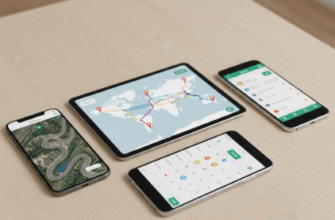
Once you’ve identified which system your state uses, you’ll need to create an account, which sounds simple but can be annoyingly tedious. ReserveAmerica requires vehicle info, arrival times, and equipment details upfront. Recreation.gov is a bit more streamlined but crashes during peak booking times—I’ve experienced this personally during summer release dates. When searching, use the map view and filter options aggressively: filter by amenities (electric hookups, water access, RV length limits), by site type (tent-only, RV, group sites), and by specific date ranges. Here’s something most people miss: some parks hold back a percentage of sites for walk-up availability, usually released 24-48 hours in advance. If you’re flexible and willing to gamble, this can be a backdoor option. Also, many platforms now have mobile apps that actually send push notifications for cancellations if you set up alerts, which is way more effective than manually checking.
Payment policies vary wildly—some states require full payment upfront, others just a deposit.
The Weird Tricks and Timing Strategies That Sometimes Actually Matter
Anyway, there are these semi-obscure tactics that experienced campers use. First, be ready to book the literal second the window opens—have your account logged in, payment info saved, and your desired sites already favorited if the platform allows it. Second, consider shoulder seasons (late April, early September) when demand drops but weather’s still decent. Third, look at mid-week arrivals; arriving on a Wednesday or Thursday opens up way more options than Friday check-ins. I used to think Tuesday arrivals were pointless, but honestly, they’ve saved me multiple times. Fourth, some parks release cancelled sites back into the system at specific times—often early morning or late evening—so checking at 6 a.m. or 10 p.m. can yeild surprising results. And here’s something that feels almost unfair: group sites often have lower demand because they require minimum party sizes, but if you can gather enough people, you’ll get premium locations with way less competition. Also, don’t ignore less famous parks in the same region—they offer nearly identical scenery and experiences without the booking frenzy.
The whole system feels designed to reward obsessive planning, which is ironic for something that’s supposed to be about escaping into nature.