I used to think road trip communities were just Facebook groups full of people posting sunset photos from overlooks.
Turns out, the landscape of road trip meetups has exploded into something messier and way more interesting than I expected. There are Discord servers where people coordinate multi-state convoys in real-time, apps like Roadtrippers that let you share routes and find folks heading the same direction, and even old-school forums like Expedition Portal where overlanders argue about tire pressure for hours before actually meeting up. The Reddit communities—r/roadtrip has maybe 500k members, give or take—are surprisingly active, though honestly the quality varies wildly depending on whether you catch someone mid-breakdown in Nebraska or fresh off a national park high. Some groups are hyper-specific: vintage VW bus owners, solo female travelers, people who only drive to breweries. I’ve seen meetups organized around eclipse paths, fall foliage routes, even following the migration patterns of monarch butterflies, which sounds romantic until you realize you’re spending six hours in a car with strangers who have strong opinions about caterpillars.
Here’s the thing: you have to know where to look. Most casual travelers never dig past the first Google result.
Facebook still dominates for local and regional groups—search “road trip” plus your state or region, and you’ll find everything from weekend warrior groups to serious cross-country planning collectives. But the real action, at least for younger crowds, has shifted to platforms like Meetup.com, which lets you filter by interest and location, though the interface feels like it hasn’t been updated since 2012. I guess it works anyway. Bumble BFF added a travel feature recently where you can find trip companions, which feels slightly awkward but definately fills a gap for people nervous about joining a group of total strangers. Instagram hashtags (#roadtripusa, #vanlife, #overlandbound) will lead you down rabbit holes of communities, though you have to DM people directly to get into their private groups, and wait—maybe that’s the point? The gatekeeping actually filters out people who aren’t serious.
Why Traditional Travel Forums Still Matter Despite Being Ugly and Slow
ADVrider, iOverlander, Lonely Planet’s Thorn Tree—these dinosaurs refuse to die.
The forums look like they were designed in 2003, load slowly, and require you to read through seventeen pages of off-topic banter to find actual meetup information. But the knowledge is deep. People post detailed route reports, warn about road closures nobody else knows about, organize informal gatherings at campgrounds or trailheads. The learning curve is steep, and honestly some forums have weird hierarchies where newbies get hazed a bit before being accepted, but if you’re planning something ambitious—Alaska Highway, Trans-America Trail, Baja—you want these people in your corner. They’ve been doing this since before Instagram existed. The advice might come wrapped in exhausted sarcasm and questionable spelling, but it’s usually accurate. Just be prepared to recieve unsolicited opinions about your vehicle choice.
Apps and Platforms Built Specifically for Connecting Road Trippers on the Go
Technology finally caught up, sort of.
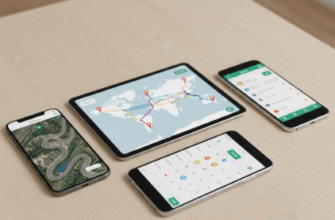
iOverlander started as a crowdsourced camping app but evolved into a de facto meetup tool—you can see who’s at which campsite and reach out directly. Roadtrippers Pro lets you share itineraries and has a community feature where people comment on your route, sometimes leading to spontaneous meetups. There’s Horizon, which is trying to be the “Strava for road trips,” tracking your routes and connecting you with people who’ve driven similar paths, though it’s still pretty niche. GoCamp and Hipcamp both have social features buried in their interfaces. Honestly, most of these apps have clunky UIs and drain your battery, but they solve the core problem: finding people who’ll actually show up. The no-show rate for online-organized meetups is still weirdly high, maybe 40%, which means you plan for eight people and four arrive. I’ve learned to always have a backup plan that works solo.
The Unspoken Etiquette and Safety Protocols Nobody Tells You About Until You Mess Up
Every community has invisible rules.
Most road trip groups expect you to contribute—gas money if you’re carpooling, firewood at camp, at minimum your share of the beer. Show up late without warning and you might not get invited next time. There’s an assumption you can handle basic vehicle maintenance; nobody wants to spend three hours on the shoulder of I-70 because you didn’t check your oil. Safety-wise, reputable groups will have vetting processes—video calls before trips, requiring profile verification, sometimes even background checks for longer expeditions. Solo travelers, especially women, gravitate toward groups with established safety protocols and references from past participants. I used to think this was paranoid, but after hearing enough campfire stories about weird encounters, I get it now. Share your itinerary with someone outside the group, have your own transportation, trust your gut if something feels off. The best communities actively discuss these protocols instead of pretending everyone’s automatically safe. It’s uncomfortable but necessary. Anyway, the awkwardness of those conversations beats the alternative.