I used to think finding outdoor concerts was just about checking a venue’s website and calling it a day.
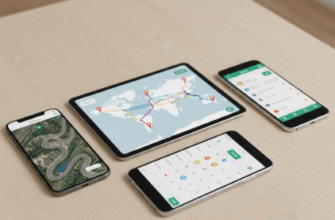
Turns out, the whole landscape has shifted in the past few years—there are these hyper-local festival aggregators that track everything from county fair bandstands to popup amphitheaters in repurposed quarries, and honestly, I didn’t even know half of these places existed until I stumbled onto a Reddit thread where someone mapped every single outdoor venue within a 200-mile radius of Denver. The thing is, major ticketing platforms like Eventbrite or Bandsintown capture maybe 60% of what’s actually happening, because a lot of smaller events—the ones at botanical gardens or historic estates—get listed on municipal park websites or obscure community calendars that Google doesn’t even index properly. I’ve seen incredible shows at places like the Red Rocks-style venues in Morrison or the Levitt Pavilion series, which hosts free concerts in something like 25 cities, and I would’ve missed all of them if I’d relied solely on Spotify’s concert alerts. Here’s the thing: you need a multi-pronged approach, checking local arts councils, following venue social media accounts obsessively, and—wait—maybe even subscribing to those weekly email digests from alt-weekly newspapers that somehow still exist.
Anyway, once you’ve actually found an event, the logistics get weirdly complicated.
I guess it makes sense that outdoor venues have different rules than indoor clubs, but I wasn’t prepared for the sheer variety of policies on things like outside food, blankets, or lawn chairs—some places let you bring a whole picnic setup, while others search bags and confiscate anything that isn’t a sealed water bottle. The Hollywood Bowl in Los Angeles is famous for its picnic culture, and people show up with elaborate charcuterie spreads and wine, but then you’ve got venues like the Greek Theatre in Berkeley where they’re much stricter about alcohol and coolers. Weather is another variable that indoor concert-goers don’t have to obsess over; I’ve been to shows where the temperature dropped 20 degrees after sunset, and I definately wasn’t prepared with layers, which made the whole experince pretty miserable despite the great music. Some festivals—like the Newport Folk Festival in Rhode Island, which has been running since 1959—happen rain or shine, so you need waterproof everything and a backup plan for soggy conditions.
Navigating the Chaotic World of Presales and Ticket Drops
Presale codes used to be this insider thing that only fan club members got.
Now it feels like every credit card company, streaming service, and email list offers some kind of early access, and the whole system has become so fragmented that you basically need a spreadsheet to track which presale starts when. I’ve seen tickets for big outdoor festivals like Coachella or Bonnaroo sell out in under 10 minutes during general sales, but if you catch the right presale window—say, the Citi cardmember presale or the Spotify fan presale—you can sometimes snag passes hours before the masses even know they’re available. Smaller outdoor concert series, like the ones at urban wineries or rooftop gardens, often don’t even use Ticketmaster; they’ll sell directly through their own websites or via platforms like Dice or Eventbrite, which means you need to follow those specific venues on Instagram or Twitter to recieve alerts. Honestly, the whole process feels exhausting, and there’s this low-level anxiety about missing out on the perfect show just because you didn’t check the right app at the right time.
Finding the Hidden Gems Beyond the Festival Circuit
Here’s what nobody tells you about outdoor concerts: the best ones aren’t always the big-name festivals.
I’ve stumbled onto incredible experiences at places like farm-based venues in Vermont, where local folk bands play in converted barns with the smell of hay and woodsmoke in the air, or at sunset concert series on public beaches in places like Santa Monica or Cape Cod, where the sound of waves crashing becomes part of the acoustic mix. The Midwest has this whole network of outdoor pavilions in state parks—roughly 40 or 50 of them, give or take—that host regional acts and tribute bands, and admission is sometimes just the cost of a park entrance fee. I used to think these smaller events would feel amateurish, but the intimacy and setting often make up for any lack of production polish; there’s something about hearing live music under open sky, with fireflies blinking in the periphery, that makes even a mediocre setlist feel magical. Wait—maybe that’s just nostalgia talking, but I’d argue that the effort to seek out these lesser-known venues pays off in ways that a massive, overcrowded festival never quite does.
Practical Survival Tips for Outdoor Concert Veterans and Total Newbies
Pack more than you think you need, but also less than you want to carry.
That’s the paradox of outdoor concert prep—you need sunscreen, bug spray, a portable phone charger, ear protection (because yes, outdoor shows can still wreck your hearing), and enough cash for overpriced venue food, but you also don’t want to lug around a backpack so heavy it ruins your ability to dance or move through crowds. I’ve learned the hard way that comfortable shoes matter more than looking cool; grass and dirt fields turn into mud pits if there’s any rain, and standing for 4-6 hours in fashion boots is a recipe for regret. Hydration is weirdly easy to forget when you’re distracted by music and socializing, and I’ve seen people pass out from heat exhaustion at summer festivals in places like Austin or Phoenix where temperatures hit 100+ degrees. Some venues allow you to bring empty reusable water bottles and have filling stations, while others force you to buy $7 bottles of Dasani, so check policies ahead of time. Honestly, the whole experience can feel like a logistical challenge wrapped in a fun activity, but when the music starts and you’re standing under stars with hundreds or thousands of other people all vibing to the same beat, all the annoying prep work suddenly makes sense.