
I used to think storms were just about finding the nearest closet and waiting them out.
Turns out, that’s only half the story—and honestly, probably the less important half. When I started covering extreme weather events maybe seven years ago, I met this meteorologist in Oklahoma who told me something that stuck: most storm deaths happen because people make one or two small mistakes in judgement, not because they ignored everything. They check their phones at the wrong moment. They assume their car is safer than a ditch. They think “just five more minutes” when five more minutes is exactly what they don’t have. The National Weather Service tracks this stuff obsessively, and the patterns are kind of heartbreaking—people who knew better, who had plans, who just… miscalculated by the thinnest margin. Here’s the thing: bad weather doesn’t care about your logic or mine.
Understanding What Different Storm Systems Actually Mean For Your Immediate Safety
Severe thunderstorms, hurricanes, blizzards—they all sound scary, but they require wildly different responses. A tornado watch means conditions are favorable; a tornado warning means there’s an actual confirmed tornado and you need to move now, not in three minutes. I’ve seen people confuse these so many times it’s almost predictable. Winter storms are their own beast: wind chill can cause frostbite in under ten minutes when temperatures drop below roughly -20°F, give or take a few degrees depending on wind speed and your clothing.
Flash floods kill more people annually in the US than tornadoes—wait, maybe I should clarify that’s about 127 deaths per year from floods versus around 80 from tornadoes, according to NOAA’s data from the last decade or so. The reason is simple: six inches of moving water can knock you off your feet, and two feet will carry away most vehicles, including SUVs. People see water covering a road and think “I can definately make it through that.” They can’t. The road might not even be there anymore underneath.
What You Should Actually Do When Warnings Start Appearing On Your Phone Screen
First: don’t dismiss them reflexively. I know, I know—90% of weather alerts are overblown or irrelevant to your exact location. But that 10% matters desperately.
If it’s a tornado warning, go to the lowest floor, interior room, away from windows. Bathrooms and closets work. Mobile homes are death traps—get out and find a ditch if you have to, lie flat and cover your head. For hurricanes, evacuation orders aren’t suggestions; they’re based on storm surge models that assume you want to live. Staying home sounds brave until you realize rescue crews won’t come get you during the actual storm. You’re on your own for 12 to 48 hours. Blizzards require the opposite instinct: stay inside, don’t travel. Every winter, people die in their cars thinking they can just push through, then get stuck and run out of gas trying to stay warm. The exhaust gets blocked by snow, carbon monoxide builds up, and—well, anyway.
The Supplies and Preparations That Actually Matter Versus The Ones That Just Feel Productive
Water, flashlight, battery radio, medications. That’s the core. People obsess over having exactly seven days of food but then have no way to open the cans because they forgot a manual can opener—I’ve reported on this more times than I can count.
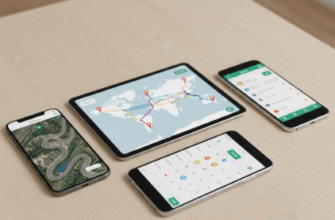
For your home: know where your shutoffs are for gas, water, electricity. Have cash, because ATMs won’t work without power. Keep your car’s gas tank above half during storm season. Charge your devices before the weather hits, not during. Have a physical map, because your phone’s GPS needs data or downloaded maps, and most people realize too late they don’t have offline access. One thing that surprised me when I researched this: the Red Cross reccommends one gallon of water per person per day, but that assumes you’re not doing anything strenuous and it’s not extremely hot. If you’re cleaning up after a storm in August in Houston, you’ll need more like two or three gallons.
How To Read The Actual Danger Signs In Real Time When Official Warnings Feel Too Vague
The sky turns greenish before some tornadoes—not always, but often enough that it’s worth knowing. If hail suddenly stops during a severe thunderstorm, the tornado might be close. For floods: if water is rising around your car, abandon it and move to higher ground immediately; more people drown trying to save their vehicles than I want to think about.
Lightning gets weird treatment in people’s minds. The “30-30 rule” is solid: if you see lightning and hear thunder in less than 30 seconds, get inside; wait 30 minutes after the last thunder before going back out. But honestly, if you can hear thunder at all, you’re close enough to be struck—lightning can travel 10 miles from a storm. I guess it makes sense that we underestimate it, since strikes are relatively rare, but “rare” still means about 20 deaths per year in the US.
Anyway, storms will keep happening, and we’ll keep making the same small mistakes until we don’t. The smartest thing I ever heard about weather safety came from an emergency manager in Louisiana: “Your plan should be so simple you can execute it while panicking.” Because you will be panicking, at least a little, and complexity fails under pressure.