I used to think crossing borders was mostly about showing a passport and answering a couple of questions.
Turns out—and I learned this the hard way driving from Arizona into Sonora at 2 a.m. with a car full of camping gear and a dog who wouldn’t stop barking—it’s a whole choreographed dance involving insurance proof, vehicle permits, sometimes random agricultural inspections, and the deeply unpredictable moods of border officials who’ve been standing in a booth for eight hours straight. You need your passport, obviously, but also proof that you’re allowed to take that specific vehicle across (rental agreements get tricky here, since some companies forbid cross-border travel), and depending on where you’re going, maybe a temporary import permit that costs anywhere from fifteen to fifty dollars and requires a credit card in the driver’s name. I’ve seen people turned back because their insurance didn’t cover the other country, or because they had an apple in the glovebox that violated agricultural laws. It’s exhausting, honestly.
Anyway, here’s the thing about vehicle insurance most people don’t realize until it’s too late. Your domestic policy almost definately won’t cover you once you cross into another country, even if it’s just Canada or Mexico.
I spent maybe three hours on the phone with my insurance company before a trip from Montana to Alberta, trying to figure out if my collision coverage would transfer, and the answer was basically no—you need separate coverage, which you can usually buy at the border or online beforehand for roughly thirty to sixty dollars per week, give or take. Some rental companies offer it as an add-on, but read that contract carefully because the coverage limits can be weirdly low, like fifty thousand dollars when you’re driving a vehicle worth more than that. I guess it makes sense from their perspective, but it feels like a trap when you’re standing there at the counter trying to decide whether to pay an extra twenty bucks a day. Wait—maybe I’m overstating the risk, but I’ve met travelers who got into fender-benders in Baja and ended up stuck for days because they couldn’t prove financial responsibility.
The Paperwork Nobody Warns You About Until You’re Already in Line
Some borders want to see your vehicle registration, your rental agreement if applicable, proof of citizenship for every passenger (yes, including kids), and sometimes even a notarized letter if you’re traveling with someone else’s child.
The U.S.-Canada crossings tend to be pretty streamlined, but I’ve waited two hours at Peace Arch on a summer Friday because everyone had the same idea about long weekends, and the officers were methodically checking every trunk for, I don’t know, contraband fireworks or something. The U.S.-Mexico crossings can be even more elaborate—you might need a tourist card (FMM) that costs roughly thirty dollars, a vehicle import permit if you’re going beyond the border zone (which is about twelve to sixteen miles deep, depending on the state), and proof that you’ve paid any applicable fees. I’ve watched people argue with officials because they didn’t understand that the free zone doesn’t extend all the way to, say, Guadalajara. It’s confusing, and the signage isn’t always clear, especially if your Spanish is rusty or nonexistent.
Timing Your Crossing When Half the Continent Has the Same Plan
Border wait times can swing from fifteen minutes to five hours depending on the day, time, and whether there’s a holiday on either side.
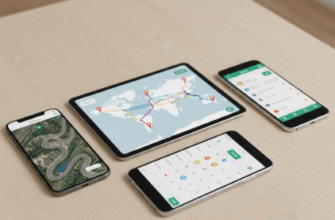
I once tried to cross from Tijuana back into San Diego on a Sunday evening in July—terrible decision, maybe the worst I’ve made in recent memory—and sat in traffic for four and a half hours listening to the same podcast episode three times because I’d run out of downloads. There are apps now that show live wait times for major crossings (CBP’s Border Wait Times, for example, or third-party ones with user-reported data), and honestly, they’re worth checking obsessively. Weekday mornings before 9 a.m. are usually calmer, and late nights can be surprisingly quick, though some smaller crossings close entirely after 10 p.m. or midnight. If you’re crossing into the EU—say, from France into Spain or Germany into Poland—the Schengen rules mean there’s often no stop at all, just a sign welcoming you to the next country, which feels almost anticlimactic after all the prep.
What Happens When You Forget Something Important (Like I Did in Saskatchewan)
Let me tell you about the time I crossed into Canada without realizing my driver’s license had expired three weeks earlier. I didn’t notice until the officer asked for it, and then I felt that cold wash of panic, like when you realize you left the stove on.
Turns out, an expired license isn’t an automatic deal-breaker if you have other ID and your passport is current, but the officer spent maybe twenty minutes on the phone verifying my status, during which I sat in the car trying not to look like someone who routinely forgets to renew critical documents. They let me through with a warning—and a reccommendation to renew immediately—but I’ve heard stories of people being turned back for similar oversights, especially if the officer’s having a rough day or if there’s any other red flag in your travel history. Some borders are more forgiving than others; I guess it depends on staffing, security alerts, or just random chance. The moral is: check every expiration date at least a month before you leave, including your vehicle registration, your passport, your kids’ passports, your pet’s vaccination records if you’re bringing animals, and any special permits like a NEXUS or Global Entry card.
The Unspoken Rules That Aren’t Written Down Anywhere Official
Be polite, even if you’re tired. Don’t joke about contraband or security (seriously, don’t—I’ve seen someone detained for making a sarcastic comment about “smuggling maple syrup”).
Have your documents in hand before you pull up to the booth, not buried in the glove compartment under a pile of maps and old receipts. Answer questions directly without over-explaining—border agents don’t need your life story, just the facts about where you’re going, how long you’re staying, and what you’re bringing. If they ask to search your vehicle, say yes calmly; refusal can trigger more scrutiny or even denial of entry. I used to think these interactions were adversarial, but honestly, most officers just want to do their job efficiently and move on to the next car. The process can feel intrusive, sure, but it’s also weirdly routine once you’ve done it a few times. Wait—maybe that’s just my exhaustion talking, but after a dozen crossings, it starts to feel less like an ordeal and more like an annoying errand you have to run before the real adventure begins.