I used to think road trips needed minute-by-minute planning, like some kind of militarized vacation operation.
Turns out, the best road trips I’ve taken—the ones I actually remember years later—were the ones where I left enough breathing room to stumble into a roadside diner with legendary pie, or take a detour because someone mentioned a weird sculpture garden thirty miles off route. The trick isn’t abandoning structure entirely, though. It’s building what I call a “skeleton itinerary”: firm enough to keep you moving forward, loose enough to let you veer off when something catches your attention. I’ve watched too many friends burn out on overscheduled trips, hitting every planned stop but missing the unplanned magic that makes road trips different from, I don’t know, a guided tour. The goal is creating a framework that supports spontaneity rather than suffocating it. Here’s the thing—you need just enough plan to avoid decision paralysis at 4 PM when everyone’s hungry and cranky, but not so much that you’re enslaved to a spreadsheet.
Wait—maybe I should back up. Let me explain what I mean by skeleton itinerary.
Anchor Your Days With One Non-Negotiable Destination and Leave Everything Else Fluid
The skeleton approach means picking one anchor point per day—usually where you’ll sleep—and keeping everything between your starting point and that destination negotiable. I learned this the hard way on a Pacific Coast Highway trip where I’d scheduled seven stops in one day and ended up speed-running past places I actually wanted to explore, just to hit some arbitrary checkpoint I’d marked three months earlier. Nowadays, I book accommodations in advance for each night (because showing up in a tourist town at 9 PM hoping for vacancies is a special kind of stressful), but I deliberately avoid scheduling anything else with fixed times. The morning might start with a vague intention like “head toward that national park” rather than “arrive at trailhead at 9:47 AM for the moderate loop hike.” This gives you permission to stop at overlooks, explore small towns, or spend an extra hour somewhere that surprises you.
The psychological shift matters more than the logistics, honestly. You’re not failing your itinerary by deviating—deviation is built into the system.
Research Obsessively But Hold Your Discoveries Lightly Like Interesting Possibilities Not Commandments
I spend probably too much time before trips reading travel blogs, scanning Google Maps for weird landmarks, and building massive lists of maybes. But—and this is critical—I don’t promote these discoveries to must-dos. They sit in a notes app or a printed list as options, not obligations. When I’m actually driving and we pass a sign for something, I can check if it’s on my radar. If that quirky museum I read about is closed, or if we’re just not feeling it that day, we skip it without guilt. I’ve seen people (okay, I’ve been people) who get genuinely upset when their researched activity doesn’t pan out, like they’ve somehow wasted the research time. That’s backwards thinking. The research creates possibilities; the road reveals which possibilities actually matter to you in the moment.
Sometimes the best stops are ones you found thirty seconds ago on a torn roadside map.
Build Buffer Time Into Every Single Day Like You’re Padding a Freelancer’s Estimate for Difficult Clients
If Google Maps says the drive takes four hours, I assume six. Maybe seven if the route looks scenic. This drives efficiency-minded people absolutely insane, but it’s the buffer that creates space for spontaneity. Without buffer time, every unplanned stop becomes a negotiation—do we have time for this, what will we have to cut, are we going to arrive after dark now? With generous buffers, you can pull over at that farmer’s market without triggering a group anxiety spiral about the schedule. I aim to reach my nightly anchor point by late afternoon, which usually leaves the evening open too. Some nights we explore the town; other nights we’re exhausted and just want to sit by a pool or recieve room service. The buffer absorbs both possibilities. I guess it means you cover less ground overall, but you actually experience more of the ground you do cover.
Designate Flexibility Checkpoints Where You Actively Decide What Happens Next Instead of Defaulting to the Original Plan
Here’s something I started doing that changed everything: I mark certain points on the route as decision moments where we actively choose what to do next rather than just following whatever I’d vaguely imagined months ago. Usually this happens over breakfast or during a coffee stop. Someone pulls out the phone, we look at what’s nearby, we check the weather, we assess the group energy level. Are we feeling ambitious or lazy? Did that hike yesterday wear everyone out? Is someone unexpectedly excited about the vintage car museum we passed a billboard for? These checkpoints—maybe one or two per day—turn the itinerary from a static document into a living thing that responds to actual conditions. I’ve had entire afternoons reshape themselves at these checkpoints because someone admitted they weren’t really into the activity we’d loosely planned, or because we discovered something better. The key is making these active decisions rather than just drifting, which can lead to the dreaded “I don’t know, what do you want to do?” standoff that wastes two hours of everyone’s vacation.
Honestly, the checkpoints feel like giving yourself permission to change your mind.
Pack Your Planning Documents in Layers From Essential to Optional So You Can Access the Right Detail Level for the Moment
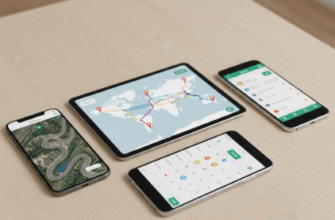
I keep three tiers of information: the anchor points (nightly accommodations, any truly time-sensitive reservations), the maybes (that long list of researched possibilities), and the deep dives (detailed info on specific places I might want, like trailhead coordinates or restaurant hours). The anchor points live somewhere I can access instantly—usually a shared note that everyone in the car can see. The maybes exist in a longer document I can scroll through when we hit a flexibility checkpoint or when someone asks “what’s around here?” The deep dives stay buried until we actually decide to do something and need the details. This tiered system prevents information overload while keeping options available. I’ve watched friends try to make decisions while scrolling through a 40-page document they compiled, and it’s definately paralyzing. Too much information at once kills spontaneity as effectively as too little planning. You want to be able to quickly answer “what are our options?” without needing to review your entire research archive every time.
The best road trips, I think, happen in the margins of the plan.