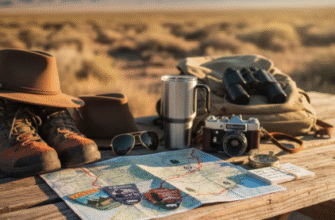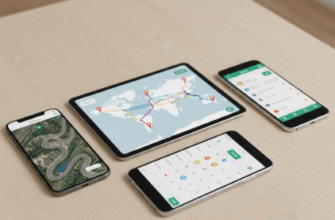
I used to think road trips were inherently cheap—like, throw some snacks in a bag, fill up the tank, and you’re basically traveling for free compared to flying.
Turns out, that romantic notion crumbles pretty fast when you’re staring at your credit card statement after a cross-country drive and realizing you somehow spent $1,200 without even staying in decent hotels. The thing is, long-distance road trips have this sneaky way of bleeding money through a thousand tiny cuts: the unplanned drive-through breakfast because you left at 5 a.m. without eating, the premium gas you bought in panic mode in the middle of Nevada, the “just one more souvenir” that turned into seven. I’ve done enough of these trips—some meticulously planned, others catastrophically improvised—to know that budgeting for a road trip isn’t about deprivation, it’s about being slightly more intentional than your worst impulses. You can still have spontaneity and fun, but maybe, I don’t know, you track where the money’s actually going instead of pretending it doesn’t count because you’re “on vacation.”
Fuel Costs Aren’t Just About the Price Per Gallon—They’re About How You Drive
Here’s the thing: everyone obsesses over finding the cheapest gas station, downloading apps that compare prices down to the cent, which, sure, fine, that can save you maybe $15 over a 2,000-mile trip.
But what actually murders your fuel budget is how you drive. Aggressive acceleration, constant speeding up to 80 mph then braking hard, running the AC on full blast in desert heat—all of this tanks your fuel efficiency by something like 15-30%, depending on your vehicle and driving style. I tested this once on a trip from Chicago to Denver, maintaining a steady 65 mph with cruise control versus my usual “I’m gonna pass everyone” approach, and the difference was roughly 4 miles per gallon, which translated to about $60 saved. The math isn’t sexy, but it’s real. Also, and I know this sounds obvious but people definately ignore it: plan your route to avoid unnecessary detours and backtracking, because every extra mile is money you didn’t need to spend.
Lodging Strategy: The Awkward Truth About When to Camp and When to Just Get the Motel
Camping seems like the ultimate budget hack until you factor in that you need gear, a cooler, a campsite reservation, and the emotional fortitude to set up a tent after driving nine hours.
I’m not saying don’t camp—I’ve had amazing nights under stars in Utah and Wyoming that cost me $12—but the romantic narrative around camping as “free lodging” is misleading. If you don’t already own the gear, you’re looking at a couple hundred dollars minimum for a decent tent, sleeping bags, and a camp stove. Amortized over multiple trips, sure, it pays off, but for one summer road trip? Maybe not. The real sweet spot, at least in my experience, is mixing it up: camp when you’re in beautiful natural areas where camping is the actual point, but don’t martyr yourself by camping in a KOA parking lot outside Omaha just to save $40 when you could get a budget motel, take a hot shower, and actually sleep. Wait—maybe the smarter move is looking at hostels (yes, they exist in the U.S., just fewer of them), Airbnb rooms in people’s houses, or even rest stops for a few hours of sleep if you’re truly desperate and it’s legal in that state.
Food is Where Your Budget Goes to Die Unless You Pack Strategically and Accept Some Boredom
The absolute fastest way to blow your road trip budget is eating every meal at restaurants and gas stations.
A breakfast sandwich and coffee at a highway rest stop can easily run $12-15, lunch another $15-20, dinner $25-40 if you sit down anywhere halfway decent—you’re looking at $50-75 per person per day just on food, which over a week-long trip is $350-525. That’s… a lot. The alternative isn’t glamorous: you pack a cooler with sandwich ingredients, fruit, nuts, granola bars, maybe some of those sad pre-made salads, and you accept that you’ll be eating approximately the same lunch for five days straight. I’ve done trips where 80% of meals came from a cooler and grocery store stops, and honestly, it’s fine—repetitive and occasionally depressing when you watch other people eat actual warm food, but fine. You save hundreds of dollars. The compromise I’ve found that works is budgeting for one “real” meal per day, usually dinner, and keeping breakfast and lunch cheap and portable. Also, here’s something I learned the hard way: don’t buy drinks on the road. A case of bottled water from a grocery store costs $4; buying individual bottles at gas stations throughout a trip can easily hit $30-40. It feels trivial in the moment, but those convenince purchases add up to real money.
Anyway, I guess the broader point is that road trip budgeting isn’t about sucking all joy out of the experience—it’s about recognizing that the trip itself, the landscapes and conversations and weird roadside attractions, those are free, and the expensive parts are mostly just habits you can choose to change or not.