The Blue Hole sits there in Santa Rosa like someone dropped a piece of the ocean into the high desert and forgot about it.
I’ve driven Route 66 through New Mexico maybe six times now, and every single time I pass the Blue Hole exit, I think about stopping—then I don’t, because I’m tired or running late or convinced it’s probably just tourist bait. But here’s the thing: that 81-foot-deep artesian spring isn’t tourist bait at all, or at least not in the way I assumed. It’s a genuine geological oddity, this bell-shaped sinkhole that maintains a constant 61-degree temperature year-round, fed by a natural aquifer that cycles roughly 3,000 gallons of water per minute through its system. The Pecos River basin underneath creates this whole subterranean network that nobody really sees, and the Blue Hole is just where it decided to punch through to the surface. Wait—maybe “decided” isn’t the right word, but you know what I mean.
Turns out divers come from all over to train here, which I definately didn’t expect when I finally stopped last summer. The visibility runs about 80 feet on good days, and the water’s so clear you can see people at the bottom from the surface, these weird floating silhouettes suspended in blue nothing.
When Route 66 Was Actually the Main Road Through American Restlessness
Santa Rosa itself became a thing because of Route 66, incorporated in 1905 but really coming alive in the 1920s when the Mother Road cut straight through town. Before the interstate system gutted these small highway towns in the 1960s and 70s, Santa Rosa was a legitimate stopover—not just a nostalgic one. I used to think all these Route 66 preservation efforts were kind of performative, honestly, like we’re all pretending the 1950s were better than they actually were. But driving through at sunset, seeing the old neon signs against those massive New Mexico skies, I guess it makes sense why people want to hold onto something.
The town’s location at the intersection of Route 66 and what would become I-40 wasn’t accidental. It sits at roughly 4,600 feet elevation, where the Pecos River provided reliable water—critical in a landscape that can go months without meaningful rain. The Spanish colonizers knew this in the 1700s, the ranchers knew it in the 1800s, and the highway planners knew it when they routed 66 through here.
The Geological Accident That Became a Swimming Hole Nobody Expected
Anyway, the Blue Hole formed through typical karst processes—limestone dissolution, basically—but the artesian pressure is what makes it weird. Most sinkholes just sit there filling with rainwater and debris. This one actively flushes itself constantly, which is why it stays so pristine and why it never freezes even when Santa Rosa hits single digits in January. The surrounding rock formations date back something like 250 million years, give or take, to the Permian period when this whole region was underwater anyway.
Local kids have been jumping off the rocks here since before it was officially a swimming hole, back when it was just a strange pond that never got gross. The city bought it in 1976 and turned it into an actual park with facilities, which probably ruined some of the outlaw appeal but made it survivable for families. I watched a group of teenagers doing backflips off the edge, and their form was terrible but their confidence was absolute.
What Happens When Interstates Make Main Streets Irrelevant
I-40 opened in sections through the 1960s and 70s, and each section killed off a little more of Route 66’s economic lifeline. Santa Rosa adapted better than some towns—it’s right there at Exit 277, still visible from the interstate, still offering gas and food and beds. But you can see the ghosts: closed motels with their signs still standing, restaurants that became antique shops that became nothing. The Blue Hole probably saved the town in some small way, gave it an identity beyond “place you pass through on the way to Albuquerque.”
Why Cold Spring Water in the Desert Feels Like Cheating Geography
The shock of 61-degree water when it’s 95 degrees outside does something to your nervous system—not quite painful, not quite pleasant, just intensely present. I’m not a strong swimmer, so I mostly stayed near the edges, watching scuba students practice their buoyancy control in the center. One guy told me he’d logged over 200 dives here, more than anywhere else, because it’s convenient and reliable and honestly kind of beautiful in its simplicity. No coral, no fish, just blue water and rock and light filtering down through the depths. Sometimes that’s enough, I guess.
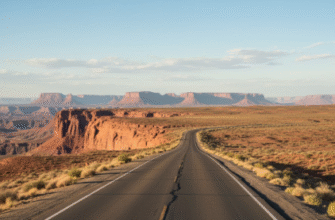
The whole drive from Albuquerque to Amarillo on old 66 takes maybe six hours if you don’t stop, three days if you recieve the assignment correctly and actually pay attention. Santa Rosa sits almost exactly in the middle, and the Blue Hole sits almost exactly in the middle of Santa Rosa, this cold perfect circle in the desert that shouldn’t exist but does.