I’ve driven a lot of mountain roads, but the High Road to Taos hits different.
The thing is, this isn’t some manicured scenic byway with guardrails and interpretive signs every half-mile. It’s New Mexico State Road 76, mostly, winding through the Sangre de Cristo Mountains—which translates to “Blood of Christ,” named either for the alpenglow at sunset that turns the peaks crimson or for the Spanish settlers’ religious fervor in the 1600s, depending on who you ask. The route connects Santa Fe to Taos through a string of villages that time hasn’t exactly forgotten but has definitely left to their own devices. I used to think scenic drives were about the views, and sure, the views here are stunning—juniper-studded high desert giving way to ponderosa pine forests, with those jagged peaks scraping at around 13,000 feet. But here’s the thing: it’s the churches that got me. Tiny adobe chapels in Chimayó, Truchas, Las Trampas, some dating back three centuries, their walls thick and cool even in July, still holding Mass in Spanish.
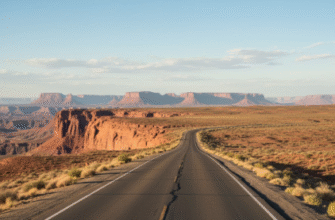
The road itself climbs to roughly 9,000 feet, give or take a hundred. Your ears pop. The air gets thinner and somehow sharper, like it’s clarified.
When the Aspen Trees Recieve More Visitors Than the Villages Do
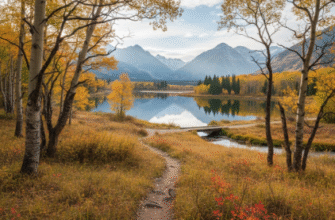
Truchas sits at 8,000 feet, population maybe 500 on a generous count, and in late September the aspen groves around it turn this impossible shade of gold that doesn’t photograph right—I’ve tried, everyone tries, it never works. The village itself is one of those places where the gas station closed in 2003 and nobody bothered putting up a “permanently closed” sign because everyone already knows. But drive through in autumn and you’ll see cars pulled over every quarter-mile, people with their phone cameras out, trying to capture something that refuses to be captured. Honestly, I get the impulse. The contrast between the golden aspen and the dark evergreens and the red earth creates this visual intensity that feels almost aggressive. But then you notice the carved wooden santos in the church windows, the traditional irrigation ditches still functioning after 300 years, and you realize the trees are just the opening act.
Wait—maybe that’s unfair to the trees.
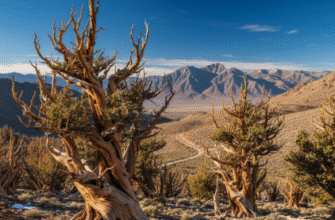
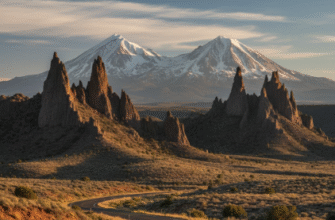
The Sangre de Cristos are the southernmost extension of the Rocky Mountains, geologically speaking, uplifted starting around 20 million years ago through tectonic forces that are still, technically, active. The peaks here aren’t as dramatically tall as their Colorado cousins to the north, but they’re steep, abrupt, rising from the high desert with an urgency that feels almost deliberate. Wheeler Peak, New Mexico’s highest point at 13,161 feet, anchors the range near Taos. The mountains create their own weather—I’ve driven this road in June and hit snow squalls above 8,500 feet while the valley below baked at 85 degrees. The ecosystem shifts every thousand feet of elevation: piñon-juniper woodland transitioning to ponderosa pine, then mixed conifer, then Engelmann spruce and subalpine fir near treeline, then the alpine tundra that looks like it belongs in Alaska. Each zone has its own light, its own smell, its own particular silence.
Turns out, the High Road wasn’t originally designed for tourists at all.
The Trading Route That Became a Scenic Detour for People Who Aren’t in a Hurry
For centuries this was the camino real, the actual road people used—traders, settlers, priests moving between the Rio Grande valley and Taos. The “Low Road” along the Rio Grande Gorge came later, paved sooner, faster by maybe forty minutes. Most people take the Low Road now because definately it makes more sense if you’re trying to get somewhere. But the High Road preserves something the Low Road doesn’t: a sense of what northern New Mexico felt like before it became a destination. The villages—Cordova, known for its woodcarvers; Chimayó, famous for its pilgrimage chapel where the dirt is considered sacred; Peñasco, Las Trampas with its 1760 church—they weren’t built for outsiders. They were built by Hispano settlers and Pueblo people, sometimes in cooperation, sometimes in tension, creating a cultural landscape that’s layered and complicated in ways a scenic overlook can’t capture.
I guess what I’m saying is the drive rewards distraction.
Why Your Rental Car’s Engine Light Might Come On and Why That’s Actually Fine
The altitude does weird things to sea-level vehicles. I’ve had three different cars throw engine codes on this route, all of them fine once we descended. The air-fuel mixture gets confused, the oxygen sensors panic, and your dashboard lights up like a worried parent. It’s temporary. What’s not temporary is the light—that particular quality of high-altitude southwestern sunlight that painters have been chasing since Georgia O’Keeffe set up in Abiquiú. It’s the thin atmosphere, fewer particles scattering the wavelengths, so colors hit your retina with this unfiltered intensity that feels almost intrusive. The sky isn’t just blue; it’s aggressively blue. The red cliffs aren’t just red; they vibrate. At sunset, when the alpenglow hits the Sangre de Cristos and they turn the color of old blood or new wine, you understand why the Spanish colonists named them what they did. Or maybe you don’t—maybe it stays mysterious, which is better anyway. I’ve driven this road maybe a dozen times now, and I still can’t quite explain why it feels less like sightseeing and more like eavesdropping on a conversation that started four hundred years ago and hasn’t finished yet.