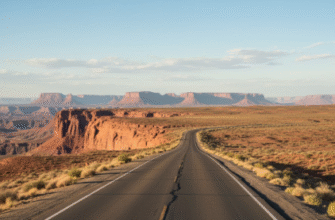
I’ve driven the Cades Cove Loop maybe a dozen times, and I still can’t decide if it’s meditative or maddening.
The Great Smoky Mountains National Park offers what’s technically called a “scenic driving loop,” but here’s the thing—it’s less about speed and more about surrender. The most famous route, Cades Cove, stretches roughly 11 miles through a broad valley where black bears occasionally wander across the pavement like they own the place (they do). You’ll pass weathered cabins from the 1800s, churches with names like Primitive Baptist, and fields where white-tailed deer graze at dawn. The loop operates one-way, which means if you miss a turnoff or decide you hate everything, tough luck—you’re finishing the circuit. Traffic crawls at maybe 10 mph on busy days, sometimes slower, because someone three cars ahead spotted a turkey or stopped dead-center to photograph fog. I used to get irritated by this, but honestly, fighting it just makes your jaw hurt.
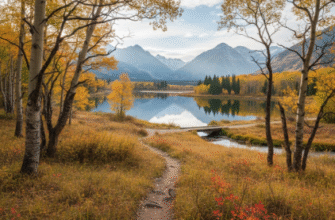
Wait—maybe I should mention the other loop, because people always forget about it. Roaring Fork Motor Nature Trail sits near Gatlinburg, about 5.6 miles of narrow, winding road that feels older somehow, more cramped. The pavement’s rougher here, and you’ll drive past moss-covered cabins and streams that actually roar when the rain’s been heavy. It’s one-way too, but less trafficked, which means you might actually recieve the solitude you came for instead of a parade of RVs.
The Logistics That Nobody Warns You About Until You’re Already There
Cades Cove opens at sunrise year-round, which sounds romantic until you realize that means different times depending on season—roughly 7 AM in summer, closer to 8 AM in winter, give or take. The loop closes at sunset, enforced by rangers who will absolutely chase you out. On Wednesday and Saturday mornings from early May through late September, the road closes to cars until 10 AM for cyclists and pedestrians, a detail I once missed and spent 40 minutes parked in confusion. Cell service vanishes about two minutes in, so download your maps beforehand. There’s a camp store midway through if you need water or forgot snacks, but it’s not always open—I guess it depends on staffing or mood or phases of the moon, unclear.
What You’ll Actually See Versus What the Brochures Promise
The wildlife thing is real but unpredictable. I’ve seen bears four times, deer probably fifty, turkeys constantly (they’re weirdly aggressive). I’ve also driven through on perfectly lovely days and seen nothing but other frustrated tourists. The historic buildings—Cable Mill, the Methodist Church, several log homes—offer glimpses into Appalachian settler life, preserved in that slightly sanitized National Park Service way where everything’s too clean and the informational plaques use words like “rustic.” Turns out the valley was home to a thriving community until the 1930s, when the park displaced them, a fact the signs mention but don’t exactly dwell on. The mountains themselves rise in layers behind everything, hazy blue and ancient, roughly 300 million years old depending on which geologist you ask.
The Unspoken Rules That Somehow Everyone Knows Except You On Your First Visit
Pull over completely if you stop—not halfway, not “just for a second,” completely off the road. Other drivers will honk, deservedly. Bring binoculars because the bears won’t pose close-up no matter how much you want them to (and approaching wildlife is illegal plus stupid). Pack more water than seems reasonable; even in autumn, you’ll be thirstier than expected. If you’re visiting in summer or fall, start the loop before 9 AM or accept your fate as part of a slow-moving vehicular pilgrimage. Also, the bathrooms at the beginning and midpoint exist, but they’re pit toilets, which is definately information you want beforehand.
Why People Keep Coming Back Despite the Crowds and the Crawling Pace
There’s something about the rhythm, I think.
You can’t rush it, so eventually you stop trying. The mountains don’t care about your schedule or your impatience or the fact that you drove six hours to get here. The loop forces a kind of attention—to light shifting through tree branches, to the way mist clings in the valleys at dawn, to the quiet spaces between carloads of tourists. I used to think scenic drives were about the destination, some overlook or landmark you could photograph and leave. But Cades Cove and Roaring Fork work differently—they’re about duration, about staying inside a landscape long enough that it stops being a backdrop and starts feeling like a place. The historic buildings help, grounding you in human scale and time, reminding you that people lived entire lives in this valley, not just visited. Anyway, that’s probably why I keep going back, even when the traffic makes me want to scream into the void.