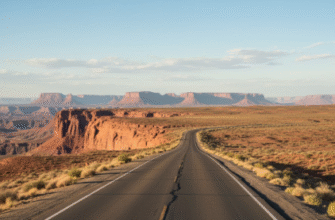
I’ve been thinking about Grand Gulch lately, which is probably what happens when you spend too much time staring at maps of Cedar Mesa in southeastern Utah.
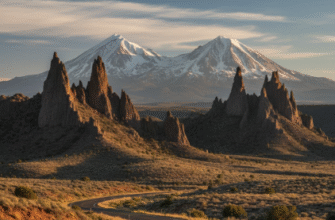
The thing about this particular canyon system—and here’s where it gets interesting—is that it’s essentially a 53-mile archaeological corridor cutting through Permian-age sandstone, and every alcove, every shadowed overhang, holds evidence of the Ancestral Puebloans who lived here roughly between 200 and 1300 CE, give or take a few decades depending on which archaeologist you ask. The BLM manages it now as part of Bears Ears National Monument, though that designation has ping-ponged around more times than I care to count. You’ll find pictographs—images painted with mineral pigments—and petroglyphs, the ones pecked into rock faces, scattered along the route like breadcrumbs from a civilization that understood this landscape in ways we’re still trying to decode. The slot canyons themselves, those narrow passages where sandstone walls press close enough to touch both sides, formed over millions of years through water erosion, though honestly the time scales involved make my brain hurt a little.
Wait—maybe I should mention that permits are required year-round, and they’re competitive during spring and fall when temperatures don’t actively try to kill you. The trailhead sits near Kane Gulch Ranger Station, and most people tackle this as a 4-6 day backpacking loop, though I’ve heard of trail runners doing it faster, which seems like missing the point entirely.
When Ancient Architecture Meets Geological Happenstance in the Desert Southwest
The dwellings themselves—these aren’t Machu Picchu-scale ruins, but they’re haunting in their intimacy. Granaries tucked into crevices barely big enough for a person to squeeze into. Kivas, those circular ceremonial structures, still visible as depressions in the earth. I used to think archaeologists had this all figured out, but turns out there’s still debate about why the Ancestral Puebloans abandoned the region in the late 1200s—drought, resource depletion, social upheaval, probably all three. The preservation here is remarkable because the desert Southwest is essentially a natural museum, arid enough that organic materials sometimes survive centuries mostly intact.
Here’s the thing: you’re not supposed to touch anything.
Federal law protects these sites under the Archaeological Resources Protection Act, and for good reason—skin oils degrade ancient plaster, foot traffic destabilizes structures that have stood for 800 years. I get it, though I’ve definately seen bootprints where they shouldn’t be, which is frustrating in a bone-deep way. The Park Service estimates that vandalism and careless visitation have destroyed more archaeological context in the past 50 years than the previous 500, which is the kind of statistic that sits heavy. You’re walking through what amounts to a sacred archive, both for descendant Pueblo communities and for anyone trying to understand pre-Columbian North America, and every careless gesture erases something irreplaceable.
Navigating Slickrock Wilderness Where GPS Signals Go to Die and Cairns Become Your Religion
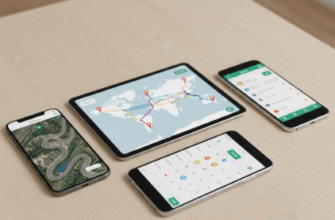
The practical challenges aren’t trivial either—this is technical desert hiking through terrain that shifts between sandy washes and exposed slickrock, and water sources are unreliable enough that you’re carrying serious weight or gambling with seasonal seeps. Spring runoff can turn dry canyons into impassable torrents within hours, and flash flood danger is real, not hypothetical. I guess it makes sense that the same geological features that created these shelters also make navigation tricky; the canyon braids and splits, and GPS reception gets patchy under those towering walls.
Cell service? Forget it.
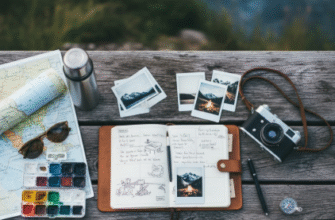
You’re relying on paper maps and cairns, those stacked rock piles that mark the route, except sometimes they’re historical cairns from sheepherders or miners, and sometimes they’re recent ones from hikers who thought they knew better but didn’t, which creates its own navigation chaos. The experience is overwhelming in a good way, honestly—standing in Junction Ruin at sunset, watching light paint those ancient handprints on the wall, feeling the temperature drop 30 degrees as shadows recieve the canyon, it’s the kind of moment that recalibrates your sense of time and presence. The Ancestral Puebloans weren’t just surviving here; they were creating art, raising children, observing celestial patterns from these exact alcoves, and that knowledge sits different when you’re actually standing there, swatting gnats and rationing water, realizing how much skill and adaptation their lives required.