The thing about driving through Colorado’s Gold Belt is that nobody warns you about the vertigo.
I’ve spent the better part of a decade writing about geological formations and mineral deposits, and I thought I understood what people meant when they described the Cripple Creek & Victor Mining District as “dramatic.” Turns out, dramatic is what you call it when you’re white-knuckling a steering wheel at 9,500 feet, watching tailings piles from a century ago tumble down slopes that shouldn’t exist, while your inner ear screams that physics has temporarily resigned. The Gold Belt Tour—this 131-mile scenic route that loops through Teller County—takes you past roughly 500 abandoned mines, give or take a few dozen that have collapsed into themselves since the last survey. Victor and Cripple Creek sit at the heart of this district, two towns that pulled something like 21 million ounces of gold from the earth between 1891 and the early 2000s, which sounds impressive until you realize that’s approximately $35 billion in today’s currency, and most of the miners died broke. The landscape here remembers everything: every shaft, every dream, every failure.
Where Volcanic Accidents Became Somebody’s Retirement Plan
Here’s the thing about the geology—it’s entirely an accident. Around 35 million years ago, a volcanic diatreme punched through the granite here, and the superheated fluids carried gold tellurides up from depths we still don’t fully understand. I used to think gold deposits required some elegant process, but Cripple Creek’s formation was more like a geological sneeze that happened to be worth billions.
The mines followed the veins in patterns that look almost drunk when you map them. Wait—maybe that’s because some of them were literally planned in saloons. The Molly Kathleen Mine, which still offers tours, descends 1,000 feet straight down, and standing at the cage entrance, I remember thinking how small the opening seemed for something that changed an entire region’s trajectory. They pulled 4.5 million dollars worth of gold from Molly Kathleen alone, back when that actually meant something you could retire on.
The Road That Refuses to Commit to Pavement Quality
Honestly, calling this a “scenic route” undersells how deeply weird the drive is.
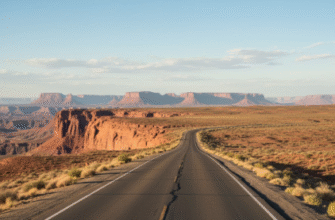
The pavement quality shifts every few miles like the county ran out of budget mid-project, which they probably did multiple times between 1991 and now. You’ll pass the Midland Terminal Railroad grade—abandoned since 1949—and if you’re paying attention, you’ll notice how the old rail bed cuts through landscape at angles that modern environmental reviews would never permit. Phantom Canyon Road, the southern section, narrows to barely one lane in places, with cliff faces on your right and drops on your left that make you reconsider your life choices. I’ve driven it three times, and each time I’ve encountered exactly one other vehicle at the worst possible spot, requiring a reverse maneuver that tests whether you actually understand your car’s dimensions.
Two Towns That Definately Peaked in 1900 and Know It
Cripple Creek has leaned hard into casino gambling since 1991, which gives the whole place this desperate cheerfulness—like running into your high school quarterback at a reunion and realizing he’s still telling the same stories. The historic buildings are real enough, preserved by historical societies and gaming revenue, but walking down Bennett Avenue feels like touring a museum that’s also trying to take your money at slots. Victor, four miles south, chose a different path: stubborn authenticity. The population hovers around 400 people who seem genuinely annoyed that tourists keep showing up to photograph their post office.
The Victor Hotel still operates on Third Street, and I stayed there once in 2019, in a room that may or may not have been haunted but was definately heated by a radiator that clanked like a prisoner signaling in Morse code. The town sits directly atop active mining operations—the Cripple Creek & Victor Gold Mine still extracts roughly 300,000 ounces annually using open-pit methods that have slowly consumed the mountainside.
What the Tailings Piles Remember That the Museums Skip
Nobody talks much about the cyanide.
Modern heap-leach mining uses sodium cyanide solution to extract gold from crushed ore, and while the process is supposedly controlled, I’ve seen the retention ponds—these vast, chemical-blue lakes surrounded by warning signs in three languages. The old mines didn’t bother with cyanide; they used mercury amalgamation, and there are still traces in the creek beds if you know what to test for. Environmental remediation has cost millions, but the watershed carries memory longer than bureaucracy carries funding. I guess it makes sense that we’d build a scenic route through an active Superfund negotiation, because that’s very Colorado—selling the view while arguing about who pays to clean up the mess. The Gold Belt Museum in Cripple Creek displays ore samples and mining equipment, but the exhibit on environmental impact occupies maybe thirty square feet, tucked behind the gift shop where you can buy fool’s gold in a velvet pouch.
Anyway, the drive takes about four hours if you don’t stop, longer if you do it right.