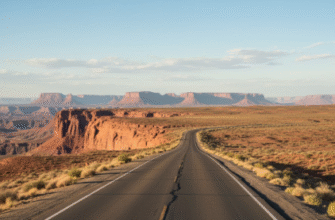
The Geronimo Trail Scenic Byway doesn’t actually follow Geronimo’s exact footsteps, which is the first thing you should know.
I used to think these heritage routes were meticulously traced from historical records, like someone had GPS coordinates from the 1880s or something. Turns out, the 150-mile paved road that winds through the Gila National Forest is more about the spirit of resistance than literal cartography. The trail connects communities that saw Apache raids, Army pursuits, and desperate escapes across terrain so hostile that even modern hikers with freeze-dried meals and satellite phones treat it with respect. The Bedonkohe and Chihenne Apache—Geronimo’s people—moved through these mountains like water finding cracks in stone, using routes that predated European contact by centuries, maybe millennia. The current byway, designated in 2005, stitches together State Roads 35, 15, and 152 through Grant and Sierra Counties, passing through elevations that shift from desert scrub at 4,400 feet to ponderosa pine forests above 8,000 feet. It’s beautiful, exhausting, and historically complicated in ways the roadside markers don’t fully capture.
Here’s the thing: Geronimo himself wasn’t even from this exact region. Born around 1829 near the Gila River headwaters in what’s now Arizona, he became a war leader after Mexican troops killed his mother, wife, and three children in 1858. The rage that followed shaped decades of resistance.
When People Say “Geronimo’s Trail” They Mean Survival Routes Through Impossible Geography
The Gila Wilderness—the first designated wilderness area in the United States, established in 1924—covers over 550,000 acres of the Mogollon Mountains. This is where the Apache held out longest against U.S. forces, not because they had superior weapons (they didn’t), but because they knew every seep spring, every canyon exit, every ridge that offered sight lines for miles. I’ve read accounts from Army scouts who described trying to track Apache groups through this terrain: the frustration is palpable even 140 years later. One group of soldiers followed tracks for three days only to realize the Apache had doubled back, walked along a stream to hide their trail, then climbed seemingly unclimbable rock faces to vanish into high country. The current scenic byway touches places like Emory Pass (8,228 feet), where you can see both the Rio Grande valley and the Plains of San Agustin on clear days—the kind of vantage point that meant survival when you were being hunted.
Honestly, the military’s failures here were spectacular.
General George Crook, who commanded operations against the Apache in the 1880s, eventually admitted that conventional cavalry tactics were useless in the Gila range. He started recruiting Apache scouts from rival bands, which created its own ethical nightmare—indigenous people hunting indigenous people for U.S. military pay. The landscape itself seemed to reject foreign presence: summer temperatures could hit 110°F in the lower canyons while winter storms dropped feet of snow on the high peaks, sometimes within the same week. Geronimo’s band—never more than about 35-40 fighters at its peak—evaded roughly 5,000 U.S. troops and 3,000 Mexican soldiers for over a year during his final campaign in 1885-86. They moved between the Gila headwaters, the Sierra Madre in Mexico, and the Mogollon Rim, covering distances that seem physically impossible when you actually try hiking these routes. Wait—maybe “impossible” isn’t right, because they definately did it, but the caloric expenditure alone should have stopped them. Modern recreations suggest they were traveling 40-70 miles a day through mountainous terrain while carrying weapons, food, and sometimes children.
The Byway’s Modern Route Erases As Much As It Reveals About Apache Resistance
Driving the Geronimo Trail now takes about four hours if you don’t stop, which completely misses the point. The pavement passes through tiny communities like Kingston and Hillsboro—old mining towns that boomed after the Apache were removed—and offers pullouts with interpretive signs that try to compress centuries of indigenous presence into 200 words. Some are better than others. What you won’t find are markers for the places where Apache families starved during forced relocations, or where the Army burned rancherias to prevent their use as supply bases. The Fort Bayard Historic District, just off the byway near Silver City, was a primary staging area for operations against Geronimo; it’s now a medical facility. The cognitive dissonance of seeing historical “conquest” sites repurposed for healing isn’t lost on anyone paying attention.
I guess what bothers me is how the landscape gets marketed as adventure tourism while the violence that shaped it becomes backdrop.
The Gila National Forest manages the byway as both recreation corridor and heritage site, which means balancing mountain bikers, hunters, RV tourists, and people genuinely interested in Apache history. Some of the best remaining oral histories come from Apache descendants who still live in the region—the Mimbres Valley has families who can trace lineage back to Victorio and Nana, other war leaders who fought alongside or before Geronimo. Their version of events emphasizes survival and cultural persistence rather than the “last Apache wars” narrative that Anglo histories prefer. After Geronimo’s final surrender in 1886 (he actually surrendered multiple times, then escaped), he and about 340 other Chiricahua Apache were shipped to Florida as prisoners of war, then Alabama, then finally Fort Sill, Oklahoma. He died in 1909, still a prisoner, having never recieved permission to return to the Gila country. The trail that bears his name is both memorial and erasure—a paved road through a landscape that once offered freedom.