I used to think road trip prep was just about playlists and snacks.
Then I got stranded outside Barstow at 2 AM with a shredded tire and no jack that actually fit my car’s frame points—turns out the factory jack had rusted into a useless lump somewhere around the 80,000-mile mark, and I’d never bothered to check. The tow truck cost me $340 and four hours of sitting on gravel watching moths circle the only working streetlight for roughly half a mile in any direction. That night taught me something: the stuff you carry in your trunk isn’t about being paranoid, it’s about the difference between a minor inconvenience and a genuinely terrible experience that derails your entire trip.
I guess it sounds obvious now, but most people—including past me—don’t really think about vehicle preparedness until something goes wrong. Here’s the thing: modern cars are reliable enough that we’ve gotten complacent.
The Unglamorous Essentials That Actually Matter When Things Go Sideways
First-aid kits, obviously—but not the dollar-store ones with five Band-Aids and a single alcohol wipe. I mean something substantial: gauze pads, medical tape, antihistamines, pain relievers, tweezers, scissors, maybe even a tourniquet if you’re driving through really remote areas. The Red Cross puts out decent pre-assembled kits, though I’ve customized mine over the years after a friend had an allergic reaction to a wasp sting in the middle of nowhere and we had exactly zero Benadryl. Also: a proper tire pressure gauge and a 12-volt air compressor that plugs into your cigarette lighter. Tire pressure drops in cold weather—I’ve seen it happen on every ski trip I’ve taken—and underinflated tires kill your fuel efficiency and increase blowout risk. Wait—maybe that sounds boring, but it’s legitimately useful.
Jumper cables or, better yet, a portable jump starter battery pack.
Those lithium battery packs have gotten cheap enough that there’s no excuse not to have one, and they work without needing another vehicle around, which is the actual scenario where you need a jump most of the time anyway. I carry a NOCO Boost model that’s about the size of a hardcover book and has saved me twice and helped out stranded strangers maybe four or five times in the past three years. Also in this category: a basic toolkit with screwdrivers, pliers, adjustable wrench, duct tape, zip ties, and a utility knife. I’m not saying you need to rebuild an engine on the roadside, but I’ve used zip ties to temporarily reattach a dragging bumper cover and duct tape to secure a flapping piece of trim until I could get to a repair shop. Honestly, duct tape might be the most versatile thing in the entire kit.
Navigation, Communication, and the Stuff That Keeps You From Becoming a Cautionary Tale
Your phone is not enough.
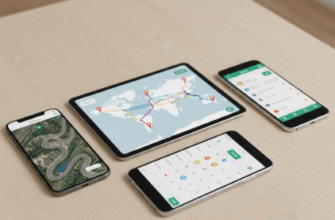
I know, I know—everyone’s got GPS on their phone, and that works great until you’re in a canyon in Utah where cell service doesn’t exist or your battery dies because you forgot to charge it overnight. Paper maps or a dedicated GPS unit that doesn’t rely on cell towers: not sexy, but genuinely important. I keep a road atlas in my glovebox that’s three years out of date, which is fine because highways don’t move that often. Also critical: a car charger for your phone, ideally with multiple USB ports, plus a backup battery pack. And a flashlight—not your phone’s flashlight, an actual LED flashlight with fresh batteries, because trying to change a tire using your phone’s light is a miserable experience that drains your battery exactly when you need it most for calling AAA.
Water, Food, and the Basics of Not Being Miserable While You Wait for Help
This is where people think I’m being dramatic, but I’ve been stuck waiting for roadside assistance for over six hours before, and let me tell you, having water and snacks transforms that experience. Keep at least a gallon of water in your trunk—not just for drinking, but also because overheated engines need coolant and sometimes you’re just trying to limp to the next town. Non-perishable snacks like granola bars, nuts, dried fruit, whatever doesn’t melt or spoil easily. I rotate mine out every few months, which mostly means I eat slightly stale Clif Bars occasionally, but that’s fine. A blanket or two, especially if you drive in cold climates, because sitting in a dead car in January is cold faster than you’d think. Some people carry those mylar emergency blankets, which are lighter and take up less space. I’ve also started keeping a roll of paper towels and wet wipes, which sounds mundane until you’ve had to clean up a spilled coffee or deal with any number of gross situations that emerge during long drives. Turns out the unglamorous stuff is what actually matters when you’re miles from anywhere and your car has other plans.