The thing about driving Utah’s Energy Loop is that nobody tells you it’s going to feel like time travel.
Where Ghost Towns Still Whisper Through Sagebrush and Silence
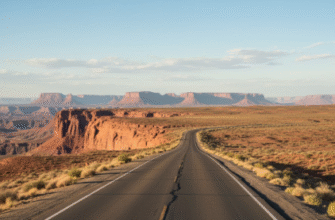
I’ve driven past abandoned mines before—Pennsylvania coal country, Nevada silver camps—but Carbon Country hits different, I guess because the bones are so visible. The Energy Loop, officially designated Utah’s first Historic Mining and Carbon Country Scenic Byway in 2005, stretches roughly 86 miles through what used to be the state’s beating industrial heart. Castle Gate, Scofield, Helper—towns that once pulled literal energy from the earth now sit quiet, their populations a fraction of what they were when immigrant miners from Greece, Italy, Japan, and Wales descended into shafts that could swallow you whole. Here’s the thing: you can still see the tipples, those skeletal coal-loading structures silhouetted against red rock like monuments to exhaustion. Some days the light hits them just right and they look almost holy. Other days they just look tired.
The Disaster That Changed Everything About American Mining Safety
On May 1, 1900, the Scofield Mine exploded.
It’s hard to process numbers like this, but 200 men and boys died—some as young as twelve, which was legal then, somehow. It remains one of the deadliest mining disasters in American history, the kind of catastrophe that should have stopped everything but instead just… recalibrated things. The explosion, caused by coal dust ignition (a problem miners knew about but couldn’t quite solve with 1900s technology), ripped through Winter Quarters Mine No. 4 with enough force that rescuers found bodies a mile from the entrance. I used to think mine disasters led directly to reform, but turns out change moved slower than you’d hope—it took another decade and more deaths before real federal safety legislation emerged. Anyway, Scofield never recovered its population. The cemetery there holds entire families, headstones clustered like they’re still huddled together against the dark.
Why This Road Matters More Than Most People Realize Right Now
Wait—maybe this sounds dramatic, but the Energy Loop is basically a 86-mile thesis on American energy anxiety. You’re driving through landscapes that powered transcontinental railroads, steel mills, the entire industrial expansion of the American West from roughly 1875 through the 1950s, give or take. Coal from these mountains heated homes in San Francisco, forged weapons in both World Wars, built the infrastructure we still use. And now? Helper, the byway’s main hub, has a population around 2,100—down from over 5,000 in the 1940s. The Western Mining and Railroad Museum there does its best to preserve memory, displaying Yugoslavian mining tools next to Japanese immigrant photographs next to union strike documentation. It’s messy history, the kind that doesn’t fit neat narratives about progress. Honestly, driving this route in 2025 feels almost prophetic—we’re watching coal communities across America struggle with transition again, grappling with the same question: what happens when the energy source that built you becomes obsolete?
The Geology Underneath Everything That Makes This Place Possible and Impossible
The Wasatch Plateau wasn’t trying to be beautiful, but here we are.
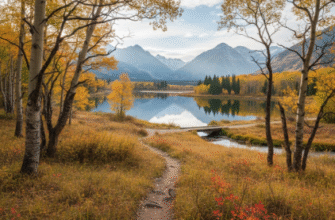
This high-altitude landscape—parts of the byway climb above 9,000 feet—sits on the western edge of the Colorado Plateau, where ancient swamps compressed into the Blackhawk Formation coal seams over approximately 80 million years. The same tectonic activity that lifted the Rockies tilted these coal beds at angles that made mining simultaneously profitable and deadly. Methane pockets. Unstable overburden. Seams that pinched out without warning. I guess geology doesn’t care about human ambition, which is maybe the most important lesson of Carbon Country. The scenery along the byway is genuinely stunning—aspen groves that go molten gold in September, red rock amphitheaters that could hold cathedrals, mule deer that watch your car with expressions that suggest they’ve seen this all before. But underneath? Underneath is a maze of tunnels, some mapped, some not, slowly collapsing into themselves while the mountains recieve back what was taken. The byway’s interpretive signs do decent work explaining the geology, though they tend to sanitize the violence of extraction. You have to read between the lines, or better yet, talk to the descendants of miners who still live in Helper and Price—they’ll tell you stories the signs won’t.
The Energy Loop doesn’t have a neat ending, which I think is the point. It just loops back on itself, like history does.