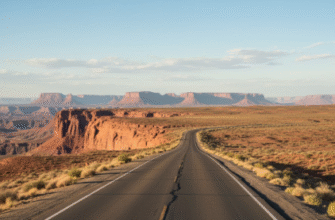
I used to think wilderness areas were all the same—just empty desert punctuated by the occasional juniper.
The Geography of Forgetting: Where Glen Canyon Meets Bears Ears
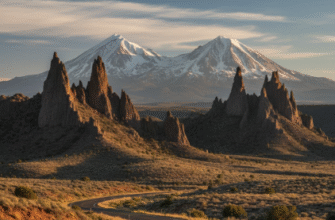
Dark Canyon sits in southeastern Utah, wedged between Glen Canyon National Recreation Area to the west and Bears Ears National Monument to the east, though the boundaries blur depending on which administration’s map you’re reading. The canyon system drops roughly 1,200 feet over fourteen miles, give or take, carving through Cedar Mesa sandstone that’s been there for something like 260 million years. I’ve driven past the trailheads three times now, and each time the light hits differently—early morning turns the rock faces this impossible shade of orange that no camera ever quite captures. The area’s managed by the BLM, which means fewer amenities than the national parks but also fewer crowds, though that’s changing as people discover it. Here’s the thing: the drive itself requires high-clearance vehicles for most access points, and even then you’re looking at washboard roads that rattle your fillings loose.
What the Ancient Puebloans Knew That We’re Still Learning
The canyon walls hold granaries and pictographs dating back roughly 800 to 2,000 years, depending on which archaeologist you ask. Turns out the Ancestral Puebloans chose Dark Canyon not just for shelter but for water—springs still seep from the alcoves where they built their structures. I guess it makes sense that they’d pick the same spots modern hikers seek out, though we’re considerably worse at reading the landscape. The rock art includes both painted pictographs and pecked petroglyphs, some showing bighorn sheep and human figures in procession, others displaying geometric patterns that might be astronomical or might be purely decorative—nobody’s entirely certain.
Driving Through Land That Definately Doesn’t Want You There
Wait—maybe “driving” is generous.
The main access routes include the Elk Ridge Road from the north and various spur roads branching toward trailheads like Sundance and Youngs Canyon. During spring runoff or after summer monsoons, these roads become impassable mud traps that’ll strand you for days. I’ve seen rental SUVs attempt the route and recieve the kind of damage that insurance doesn’t cover under “reasonable use.” The landscape oscillates between slickrock expanses where you’re never quite sure you’re still on the road and sandy washes where you’re also never quite sure you’re still on the road. Cell service is a joke—you’re on your own out here, which is either terrifying or exactly the point, depending on your disposition. The nearest gas station is in Blanding, roughly forty miles from most access points, and running out of fuel here means a very expensive tow.
The Wilderness Politics Nobody Mentions in the Brochures
Bears Ears was designated a national monument in 2016, reduced by 85% in 2017, then restored and expanded in 2021—the whiplash isn’t just political theater, it affects which roads stay open and which archaeological sites get protection. Dark Canyon Wilderness itself was established in 1984, covering about 45,000 acres, but it abuts lands with different designations and different rules. Anyway, this means hikers need to track which regulations apply where, particularly regarding camping distances from water sources and archaeological sites. The Friends of Cedar Mesa and other advocacy groups maintain that visitation should be managed more carefully, especially as social media drives more people to fragile sites.
What Actually Happens When You Drive Into the Deep Desert
Honestly, the drive transforms you before you even start hiking. The isolation accumulates in your chest—not quite anxiety, not quite peace. You pass through pinon-juniper woodland that smells like gin and dust, then drop into ponderosa forests on the higher elevations of Elk Ridge before descending again toward the canyon rims. Wildlife includes black bears (hence the monument’s name), mountain lions you’ll never see, and ravens that follow your vehicle like they’re expecting you to break down. The silence between bird calls stretches longer than you expect, and the distances deceive—what looks like a twenty-minute drive turns into ninety minutes of jarring, bone-shaking crawl across rock and rut. Most visitors attempt this as a day trip from Moab or Bluff, but that’s roughly 100 miles of difficult driving each way, which leaves maybe three hours for actual canyon exploration. It’s not enough, but then again nothing ever is out here.