
I used to think camping was just what you did when you couldn’t afford a hotel.
Turns out, the decision between pitching a tent under some trees or collapsing into a hotel bed with questionable thread-count sheets is way more layered than I gave it credit for. There’s the obvious stuff—budget, comfort level, whether you actually own a sleeping bag that doesn’t smell like your basement. But then there’s this whole other dimension about what kind of experience you’re actually after, and honestly, I didn’t expect to have such strong feelings about it until I spent three weeks last summer alternating between both on a drive from Seattle to Yellowstone. Some nights I’d wake up to elk outside my tent. Other nights I’d wake up to someone’s TV bleeding through a Motel 6 wall at 2 a.m. Both had their weird charm, if I’m being generous about it.
Here’s the thing: hotels give you predictability, and that’s not nothing. You know you’ll have a shower. You know there’s probably coffee, even if it tastes like cardboard. You can charge your phone without running your car battery down.
Why Budget Calculations Get Messy When You Factor In Hidden Camping Costs
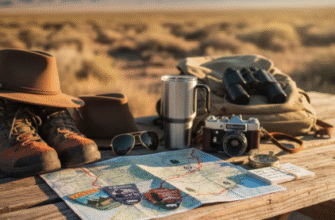
Everyone assumes camping is cheaper, and on paper, sure—a campsite runs maybe $20 to $40 a night versus $80 to $150 for a decent hotel room. But wait—maybe you need to buy a tent first? A good one costs $200, give or take, and if you’re only doing one trip, that math gets awkward fast. Then there’s the stove, the cooler, the headlamp you’ll definately lose in the dark, the firewood that costs $8 a bundle at the campground because you forgot to grab it earlier. I’ve seen people spend $300 on gear for a weekend trip and then act surprised when the “cheap” option wasn’t. Hotels have their own sneaky fees—parking, resort charges, that bottle of water that somehow costs $6—but at least you’re not storing equipment in your garage for eleven months afterward.
Camping does win if you’re traveling with kids or a group, though. Split a campsite four ways and suddenly you’re paying $10 per person.
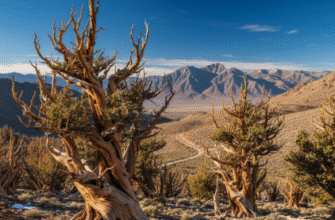
The comfort gap is real, obviously. After a long day driving, a hotel bed feels like a minor miracle. Air conditioning. A door that locks. The ability to pee without putting shoes on. But camping has this thing hotels can’t touch: you’re just… there, in the place you came to see. No commute to the trailhead in the morning. No separation between “where you sleep” and “where the experience is.” I remeber one night in the Tetons when I could hear the river from inside my tent, and yeah, I also heard every branch snap and spent an hour convinced a bear was circling me, but that immediacy—that’s the whole point, I guess.
When Weather Conditions Make the Hotel Versus Tent Decision For You
Nobody talks enough about how weather just ends the debate sometimes.
You can have all the romantic notions you want about sleeping under the stars, but if there’s a thunderstorm rolling in or temperatures dropping into the 30s and your sleeping bag is rated for, like, 50 degrees, the hotel stops being a luxury and starts being common sense. I’ve bailed on camping plans twice—once in Utah when the forecast showed lightning, once in Montana when it got unexpectedly cold in July and I was underprepared. No shame in it. Hypothermia isn’t character-building; it’s just uncomfortable and kind of dangerous. Hotels also make sense when you’re sick, exhausted, or traveling with someone who needs accessibility features most campgrounds don’t have.
The Social Energy Question That Rarely Gets Mentioned in Travel Guides
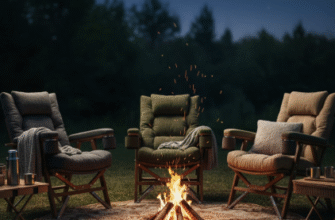
Campgrounds are social in ways hotels aren’t, and depending on your temperament, that’s either great or exhausting. People chat at the water spigot. Kids run between sites. Someone’s always playing acoustic guitar at dusk—sometimes well, often not. If you’re an extrovert or traveling solo and want easy conversation, campgrounds deliver. If you’ve been driving for eight hours and need silence, the hotel’s anonymity is a gift. I’ve had both experiences: nights where I loved swapping route tips with neighbors, and nights where I just wanted everyone to stop existing near me for a few hours.
How the Type of Road Trip You’re Taking Should Influence Where You Sleep
The nature of your trip matters more than people admit. If you’re doing a national parks tour, camping makes sense—you’re already oriented around outdoor experiences, and staying in the parks (when you can snag a reservation, which is its own nightmare) puts you in the right headspace. If you’re doing a city-to-city drive or a work-mixed-with-travel thing where you need reliable WiFi and a desk, hotels are the obvious call. I guess it comes down to whether your road trip is about the destinations or the journey itself, which sounds like a bumper sticker but is actually true. Mixed approaches work too—camp when you’re in beautiful remote areas, hotel when you’re passing through boring stretches or need a reset. There’s no rule that says you have to pick one and commit forever. Honestly, the best trips I’ve done used both, switching based on what made sense that particular night rather than some rigid plan I made three months earlier.