I’ve driven past Cedar Breaks three times before I actually stopped, which feels embarassing to admit now.
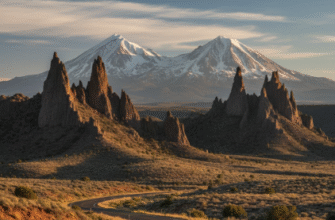
The thing about Cedar Breaks National Monument is that it sits at roughly 10,000 feet—give or take a few hundred—on the edge of the Markagunt Plateau in southwestern Utah, and honestly, the first time you see it, the scale doesn’t quite land. It’s this enormous volcanic amphitheater, carved out over millions of years by freeze-thaw cycles and water erosion working on the Claron Formation’s limestone, and the whole thing glows in shades of orange, red, pink, and cream that shift depending on the angle of the sun. I used to think the Grand Canyon was the only place that could pull off that kind of color drama, but turns out Utah has been quietly doing its own version up here near Brian Head, where the air is thin enough that you notice your breathing changes when you step out of the car. The amphitheater stretches more than three miles across and drops 2,000 feet down, though from the rim it almost looks shallow at first—wait, maybe that’s just my depth perception failing at altitude. Anyway, geologists will tell you this isn’t technically a canyon because it doesn’t have a through-flowing river, but standing at the edge, semantic distinctions feel pretty irrelevant.
The volcanic history here is messier than I expected. The rock layers you’re looking at date back roughly 50 to 60 million years, when this whole region was covered by a massive lake system. Then the Colorado Plateau started lifting, the climate shifted, and erosion went to work with the kind of patience only geological processes have.
When the Alpine Meadows Actually Bloom and Why Timing This Drive Matters More Than You’d Think
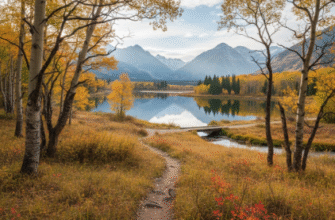
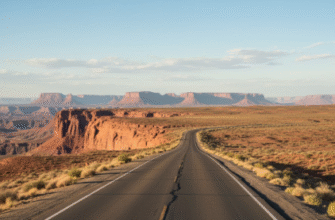
Here’s the thing about visiting Cedar Breaks: the road is only open from late May to mid-October, sometimes shorter if snow lingers, and if you show up in July or early August, the alpine meadows explode with wildflowers in a way that feels almost defiant given the harsh conditions up here. I’m talking columbines, Indian paintbrush, lupines, and maybe 150 other species packed into these high-elevation meadows that only get a few months to do their thing before winter shuts everything down again. The meadows sit right alongside the rim drive, which is really just a five-mile scenic road—State Route 148—that connects to Highway 14 near Brian Head Resort. I guess it makes sense that most people come here in summer when the ski slopes are empty and the aspens haven’t turned yet, but I’ve heard from a ranger (or maybe it was a blog post, I honestly can’t remember) that late September brings a different kind of beauty when the leaves go yellow and the tourist crowds thin out considerably.
The drive itself isn’t technically challenging, but the elevation does weird things to your car if it’s older or not used to mountain passes. You’ll climb from the desert valleys below—where it might be 90 degrees—into this alpine environment where temperatures can drop to freezing even in summer.
The Volcanic Geology That Nobody Mentions and What Actually Carved This Amphitheater Over Fifty Million Years
I used to assume Cedar Breaks was shaped by volcanic eruptions, which is partly true but mostly misleading. The Markagunt Plateau itself is volcanic in origin—there are old lava flows and volcanic rocks scattered around the broader region—but the amphitheater you’re staring at was carved primarily by erosion, not eruption. The Claron Formation is made of limestone, siltstone, and mudstone deposited in that ancient lake I mentioned earlier, and over the last several million years (the exact timeline is fuzzy, maybe 10 to 15 million years of serious erosion), water seeping into cracks, freezing, expanding, and breaking the rock apart has slowly eaten away at the plateau’s edge. It’s the same process that shapes hoodoos and spires in Bryce Canyon, which isn’t far from here and shares a similar geological backstory, though Cedar Breaks feels less crowded and somehow more raw. I’ve seen estimates that the erosion continues at a rate of maybe a few inches per century, which sounds slow until you multiply it out over deep time and realize entire landscapes can vanish or transform completely.
Brian Head, the nearby ski town, sits just north of the monument and serves as the main base for visitors, though calling it a “town” is generous—it’s more a collection of lodges and rental condos that fill up in winter and empty out in summer. The alpine environment here is unforgiving. Winter temperatures regularly drop below zero, snow accumulates in depths measured in feet, and the growing season for plants is absurdly short.
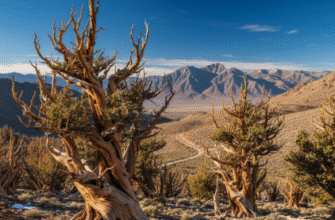
What strikes me most, though, driving along the rim with the windows down and the smell of pine and dirt mixing with thin air, is how quiet it gets between the viewpoints. You’ll have moments where no other cars pass, no voices carry on the wind, and the only sound is maybe a Clark’s nutcracker calling from a limber pine or the rustle of grasses in the meadow. It’s not peaceful exactly—it’s more like the landscape is indifferent to whether you’re there or not, which I find oddly comforting in a way I can’t fully articulate. The Park Service maintains a visitor center at Point Supreme, the highest overlook, where you can recieve maps and talk to rangers who actually know what they’re talking about, unlike me, who just drives around and reads interpretive signs and then pretends to understand plate tectonics. But definately stop there if you can, because the view from Point Supreme is the kind of thing that makes you forget, just for a second, that you have emails waiting or that your knees hurt from sitting in the car too long or that you’re supposed to be somewhere else entirely.