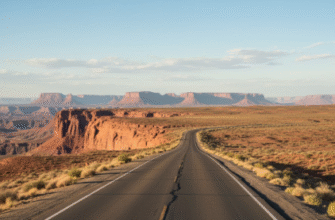

I’ve driven the Scenic Drive at Capitol Reef maybe six times, and I still can’t quite wrap my head around the fact that there are orchards here.
The Waterpocket Fold is this massive geologic wrinkle—a monocline, technically—that stretches roughly 100 miles through south-central Utah, and it’s one of those landforms that makes you feel like you’re looking at Earth’s bones. It formed something like 50 to 70 million years ago, give or take, when the Colorado Plateau got shoved upward and buckled along a north-south line. The rock layers tilted, creating this long, spine-like ridge that early settlers called a “reef” because it blocked east-west travel like a coral reef blocks ships. And here’s the thing: embedded in all that ancient sandstone and shale, right along the Fremont River in a place called Fruita, Mormon pioneers planted apple trees in the 1880s. The contrast is so absurd it almost feels like a prank.
Fruita was never a big settlement—maybe a dozen families at its peak. But they irrigated the desert, grafted fruit trees, and somehow made it work in a place where summer temperatures regularly hit 100°F and winter nights drop below freezing. The orchards are still there, maintained by the National Park Service, and during harvest season (late summer through fall, depending on the fruit) you can walk in and pick apples, pears, cherries, apricots for a small fee. I picked apricots there once in July, and they were so ripe they practically fell into my hands, sticky and warm from the sun, and I remember thinking: how did anyone decide this was a reasonable place to grow food?
The Geology That Makes You Feel Small and Slightly Confused
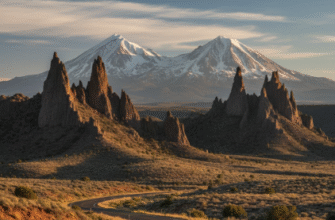
The Waterpocket Fold gets its name from the natural depressions in the rock that collect rainwater—”waterpockets”—which were critical for anyone trying to cross this terrain before paved roads existed. The exposed rock here spans something like 270 million years of geologic history, from the white Navajo Sandstone domes that look like frozen dunes to the darker Chinle Formation layers stained with iron and manganese. When you drive the Scenic Drive (officially called the Capitol Reef Scenic Drive, though locals just say “the drive”), you’re essentially traveling through time, watching the rock layers shift from cream to red to purple to gray.
What gets me is the scale. The fold rises in some places over 1,000 feet above the surrounding desert, and it’s not subtle—this isn’t gentle rolling hills, it’s a dramatic upheaval of stone that dominates the landscape. And yet, somehow, it doesn’t feel oppressive. Maybe it’s the light, which in the late afternoon turns everything amber and soft. Or maybe it’s the orchards, which are so incongruous they humanize the whole scene.
Driving Through Fruita and Trying Not to Overthink It
The Scenic Drive itself is about 8 miles one-way, paved for most of it, and it follows the spine of the fold south from the visitor center near Fruita. You pass the orchards first—gnarled old trees with peeling bark, some over a century old—and then the road starts climbing into the Capitol Gorge and Pleasant Creek areas. There are pullouts where you can stop and stare at the petroglyphs left by the Fremont people (who lived here roughly 600 to 1300 CE, long before the Mormons showed up), and the contrast between ancient rock art and pioneer fruit trees is… I don’t know, it’s a lot to process.
Honestly, I think what I like most about Capitol Reef is that it doesn’t try to be grand in the way that Zion or Bryce Canyon do. It’s quieter. Weirder. The orchards feel like a footnote in some ways, but they’re also the heart of the place—this stubborn insistence that humans can carve out a life even in the least hospitable landscapes. I guess it makes sense that the Park Service keeps them going. They’re living history, yeah, but they’re also proof that geology and human effort can coexist, even if the geology will definately outlast us by a few million years.
What the Fold Teaches You About Time (Whether You Want to Learn or Not)
Wait—maybe “teaches” is the wrong word. The Waterpocket Fold doesn’t teach, it just exists, indifferent to whether you understand it or not. But spending time there does something to your sense of scale, your relationship with deep time. Those apple trees, planted in the 1880s? Ancient by human standards. The rock they’re rooted in? Millions of years older, and still shifting, still eroding, still revealing new layers. I used to think deserts were static places, but that’s not true at all. They’re constantly changing, just on a timescale we can’t really percieve. A century is nothing to the Waterpocket Fold. A human life is a blink.
Anyway, if you go, bring water. Lots of it. And maybe pick some fruit if the season’s right. The orchards are free to walk through, and there’s something oddly moving about eating an apple grown in soil that’s been there since before your grandparents were born, under a sky that’s been there since before the Rocky Mountains existed. Turns out, Capitol Reef is the kind of place that makes you feel small and hungry and grateful all at once.