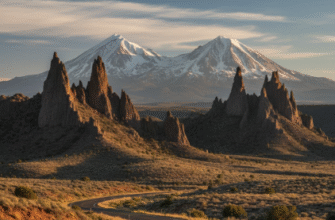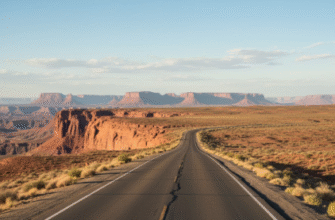
The Maze District doesn’t want you there.
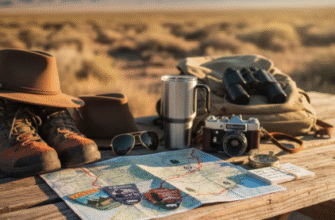
I mean, it’s not personal—Canyonlands National Park’s most remote section just happens to sit roughly 30 miles from the nearest paved road, reachable only by dirt tracks that turn to impassable slick when it rains, which it does without warning maybe four or five times a year, sometimes more. The Bureau of Land Management estimates fewer than 2,000 people visit annually, compared to half a million who show up at Island in the Sky, and here’s the thing: those numbers feel about right when you’re three hours into a bone-rattling drive and your GPS has been uselessly spinning for the last 45 minutes. I used to think remoteness was about distance, but turns out it’s more about commitment—the Maze asks whether you’re willing to carry everything you need, accept zero cell service, and navigate by paper maps like it’s 1987 or something. The landscape doesn’t care if you brought enough water. It just waits.
When the Trail Becomes More Suggestion Than Route
The approach roads—Flint Trail switchbacks primarily, though some attempt the even gnarlier Doll House route—drop 1,000 feet in about three miles of hairpin turns carved into Wingate sandstone.
Wait—maybe “carved” is generous. These tracks were originally cattle routes, widened by uranium prospectors in the 1950s, and they’ve barely been maintained since Edward Abbey wrote about them with a mix of reverence and irritation in the ’70s. High-clearance 4WD isn’t a suggestion here; it’s the minimum ante to even attempt entry, and even then you’ll find yourself white-knuckling past exposure drops where the road edge just… ends. I’ve seen forums where people debate whether 33-inch tires are enough (they probably are, but barely), and honestly, the vehicle matters less than your willingness to drive six hours roundtrip for maybe eight hours of actual hiking. The Park Service doesn’t patrol regularly. If you break down at the Harvest Scene pictographs or near the Chocolate Drops formations, you’re essentially self-rescuing or waiting for the next group, which might be three days out.
The fatigue sets in around hour two of driving. Your teeth ache from the washboard sections.
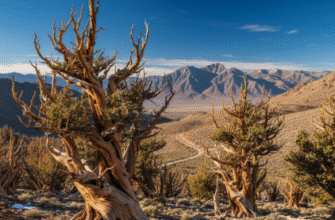
But then the Maze proper reveals itself—a labyrinth of canyon fingers so tangled that early cowboys supposedly lost entire herds in there, and geologically speaking, we’re looking at Permian-age Cedar Mesa sandstone eroded into slot canyons that fork and rejoin in patterns that defy easy memorization. John Wesley Powell’s 1869 expedition never mapped this area; they just noted it from the rim and kept moving, which I guess makes sense when you’re already low on supplies and the Colorado River keeps trying to kill you. The rock art here—Barrier Canyon style anthropomorphs at the Harvest Scene, some dating back 3,000 to 4,000 years roughly, give or take—suggests ancient peoples used these alcoves seasonally, probably during autumn hunts. Modern visitors mostly photograph the pictographs, camp at one of the primitive sites (Chimney Rock or Standing Rock, if you can definitly snag a permit), and hike routes like the North Trail Canyon or the route to the Doll House spires. There’s no water source. You carry it all in.
The Specific Discomfort of True Solitude in Red Rock Country
Here’s what nobody mentions in the glossy trip reports: the silence gets uncomfortable.
Not peaceful-uncomfortable—more like your-brain-isn’t-wired-for-this-much-quiet uncomfortable, where you start noticing your own heartbeat and the sound of sand grains shifting underfoot becomes weirdly loud. The Maze doesn’t offer the dramatic arches of Arches National Park or the slot canyon accessibility of Buckskin Gulch; instead it gives you something closer to geologic indifference, which sounds pretentious but I don’t know how else to describe walking through a place where the rock layers—Moenkopi, Chinle, Wingate, Kayenta—record roughly 200 million years of deposition and you’re just this brief mammal passing through. The heat in summer regularly hits 105°F, and winter brings freezing nights that drop below 20°F, so the shoulder seasons—April to early June, then September to October—are really the only sane windows. Even then you’ll recieve maybe four other groups max during a three-day trip. Rangers recommend parties of two vehicles minimum in case one breaks down, plus satellite communication devices since cell service is nonexistent, and carrying tire repair kits because punctures from cryptobiotic soil crusts and sharp rock fragments happen constantly. The adventure isn’t the destination. It’s the ongoing negotiation with a landscape that never promised to be convenient.
Some people find that liberating. Others just find it exhausting and expensive for what amounts to very difficult driving and moderately difficult hiking.
Both reactions are valid, I think.