I used to think slot canyons were just, you know, pretty hiking trails with some shade.
Then I drove out to Buckskin Gulch—technically near the Arizona-Utah border, though everyone calls it a Utah thing because the access points lean that way—and realized I’d been thinking about this completely wrong. Buckskin Gulch is roughly 15 miles long, give or take depending on where you start measuring, and it’s widely considered the longest slot canyon in the world, or at least in the American Southwest, which honestly might as well be the world when it comes to this kind of geology. The thing snakes through the Paria Canyon-Vermilion Cliffs Wilderness, and the walls—God, the walls—rise up to 500 feet in some sections, so narrow in places you can barely squeeze through with a backpack. The Paria River carved this over maybe a million years, possibly less, and the sandstone layers you see are Navajo Sandstone from the Jurassic period, around 190 million years old, which is the kind of number that makes your brain go fuzzy if you think about it too long. Wait—maybe that’s the point.
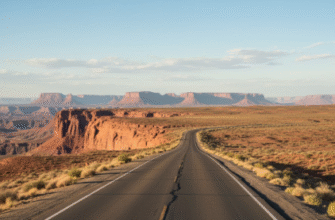
Anyway, the drive to get there is its own weird experience. Most people approach via House Rock Valley Road if they’re coming from the Wire Pass trailhead, which is unpaved and requires high clearance, though I’ve seen sedans attempt it and immediatly regret it. The road turns into this washboard nightmare after rain, and flash floods are a genuine concern here—like, people die from them, so check the weather obsessively before you go.
Why the Gulch Feels Like Walking Through Geologic Time, Except Claustrophobic
Here’s the thing: Buckskin Gulch isn’t just long; it’s relentlessly narrow. In some sections, the walls are less than 10 feet apart, and sunlight barely penetrates, so you’re walking in this dim, cool corridor that smells like wet rock and old water. The canyon floor is often muddy, sometimes knee-deep, and there are these massive logjams—piles of driftwood wedged 30 feet overhead from past floods—that you have to scramble over or under. I guess it makes sense when you consider that flash floods here can rise 20 feet in minutes, turning the whole place into a churning death trap. The BLM requires permits now, partly to manage traffic but mostly because they got tired of rescuing underprepared hikers.
Honestly, the geology is the real story.
The Navajo Sandstone formed from ancient sand dunes, and you can still see the cross-bedding—those diagonal layers that show which way the wind blew 190 million years ago—etched into the walls. Water did the carving, obviously, but also wind and time and the sheer weight of sediment that used to sit on top before erosion stripped it away. The colors shift depending on mineral content: iron oxide gives you reds and oranges, manganese makes things darker, and in some spots the rock is almost white, bleached by who knows what chemical process. I’ve seen sections where the walls look like frozen waves, smooth and undulating, and other parts where they’re jagged and fractured, like the stone gave up halfway through becoming something beautiful.
The Drive Back Makes You Reconsider Your Vehicle Choice and Life Decisions
Turns out, the real test isn’t the hike—it’s whether your car survives House Rock Valley Road on the way out. The road is maintained sporadically, meaning sometimes it’s fine and sometimes it’s a rutted sandbox that eats transmissions. Four-wheel drive isn’t technically required, but it’s definately recommended, especially if you’re there in spring when snowmelt turns everything into soup. I watched a Subaru Outback get stuck once, and the driver just sat there, staring at the steering wheel with this look of existential defeat.
The whole area is remote—like, genuinely middle-of-nowhere remote. The nearest town, Kanab, is about 40 miles away, and cell service is nonexistent. If something goes wrong, you’re on your own for a while, which is either thrilling or terrifying depending on your tolerance for isolation. People talk about the beauty of the Southwest, and sure, Buckskin Gulch is stunning, but it’s also indifferent to whether you make it out okay, and that’s maybe the most honest thing about it.