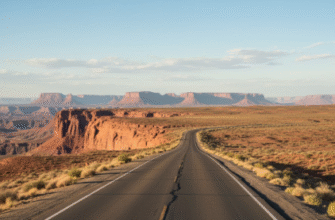
I drove Highway Twelve once in March, when the snow was melting off the Aquarius Plateau in uneven patches and the road felt like someone had draped asphalt over a topographic map.
The thing about Boulder, Utah—and I mean the actual town, not the concept of a boulder, which would be confusing here—is that it sits at the end of what might be the most improbable stretch of pavement in the lower 48. Population maybe 220, give or take whoever moved in or out last winter. It’s wedged between the Box-Death Hollow Wilderness and the northern edge of the Escalante canyons, and until 1940 it was the last community in the continental U.S. to recieve its mail by mule train. That’s not a tourism gimmick. That’s just geography being difficult. The town exists in this pocket of high desert where the landscape seems to have forgotten it was supposed to be flat, and Highway Twelve—designated an All-American Road, which sounds like marketing but actually means something—threads through slot canyons and over hogback ridges with the kind of engineering that makes you wonder what the surveyors were thinking in 1935.
Anyway, there’s Anasazi State Park Museum right there in Boulder, which is maybe not what you’d expect after two hours of driving through what feels like the edge of the world. The site preserves an Ancestral Puebloan village that was occupied around 1050 to 1200 CE—roughly 800 years ago, though dating gets messy with tree rings and pottery styles. It’s one of the largest Anasazi communities west of the Colorado River. They’ve reconstructed a six-room dwelling based on the archaeological evidence, and you can walk through it, duck your head under the doorways, touch the plaster.
What the Ancestral Puebloans Left Behind in a Place Nobody Thought to Settle
Here’s the thing: the people who lived here weren’t called Anasazi. That’s a Navajo word that translates awkwardly—”ancient enemies” or “ancient ones,” depending on who you ask and what linguistic argument they’re having. Modern descendants prefer Ancestral Puebloans, and the park has been updating its interpretation, though the name stuck in the 1950s when the state established it. The village site—called Coombs Site by archaeologists—had maybe 200 people at its peak, farming beans and squash and corn in a place where the growing season is maybe 100 days if you’re lucky. They built with locally quarried sandstone and jacal, which is basically sticks and mud, and then they left around 1200 CE for reasons that probably involved drought but definitely involved a whole cascade of environmental and social pressures that we’re still arguing about in the literature.
The museum has about 650 artifacts on display. Pottery, obviously—corrugated graywares and some painted pieces that show trade connections south into what’s now Arizona. Stone tools. A lot of corn cobs, which sounds boring until you realize they’re 800-year-old corn cobs and somebody’s hands shelled those kernels.
I used to think these sites would feel remote, like you’d get some profound sense of isolation standing where people lived eight centuries ago. But honestly, what strikes you is how practical everything was. The room layouts make sense—storage here, living space there, fire pit positioned for ventilation. They weren’t mystical. They were just people trying to grow food at 6,800 feet elevation in a place where water is always the limiting factor, and they made it work for maybe six or seven generations before the climate shifted or the soil gave out or the trade networks collapsed—or all of that at once, which is usually how these things go.
Why Highway Twelve Feels Like Driving Through Someone’s Fever Dream of Geology
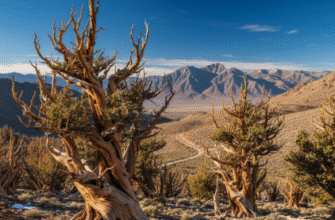
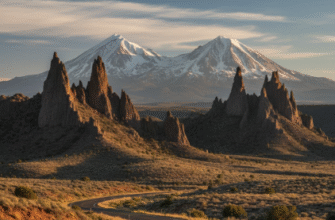
The drive itself, though—wait, I should probably mention that part because it’s genuinely unhinged as roads go. After Boulder, if you’re heading toward Escalante, the highway climbs up onto a ridgeline called the Hogback where the pavement is maybe wide enough for two cars if everyone’s paying attention and there are no guardrails because apparently in 1940 guardrails were considered optional. You’re looking down into the Escalante River drainage on one side and Call Creek on the other, and the drop is substantial enough that you stop thinking in feet and start thinking in “I definately don’t want to go over the edge.” The rock is Navajo Sandstone mostly, from the Jurassic—that’s roughly 180 million years old, formed from ancient sand dunes that got buried and compressed and then lifted back up when the Colorado Plateau decided to rise a mile or so over the last 10 million years.
Turns out, the reason Boulder stayed isolated so long wasn’t lack of ambition. It was physics. The terrain doesn’t cooperate. Even now, in winter, the highway closes sometimes when storms come through. The town has a microbrewery now and a couple of good restaurants, which feels surreal when you remember that 80 years ago they were getting mail by mule.
I guess what stays with me is the layering—800-year-old villages, 180-million-year-old sandstone, a 90-year-old highway that still feels improbable. And the sense that people have always been trying to live in places that don’t quite want them there, and sometimes they make it work for a while, and sometimes they don’t, and either way the landscape just keeps doing its thing.