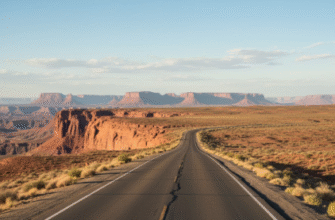
I’ve driven the Blue Ridge Music Trail maybe four times now, and each time I forget how the mountains seem to hold sound differently.
The Heritage Drive—technically a 90-mile stretch winding through Avery, Watauga, and Ashe counties—isn’t really one road at all, which is the first thing that trips people up. It’s more like a constellation of venues, front porches, and community centers where Appalachian string music has been happening since, I don’t know, the 1700s? Give or take a few decades depending on who you ask and how they’re counting Scottish-Irish immigration waves. The North Carolina Arts Council formalized the trail back in 2003, trying to connect what was already there: jam sessions at the Alleghany Jubilee, old-time fiddling at the Jones House Community Center, bluegrass at the Grandfather Mountain Highland Games that pulls maybe 30,000 people every July. I used to think “heritage music” meant museum pieces, but turns out it’s just Saturday night for a lot of folks up there. Wait—maybe that’s reductive, but you see what I mean.
The Geography of Sound: Why These Particular Hollows Matter
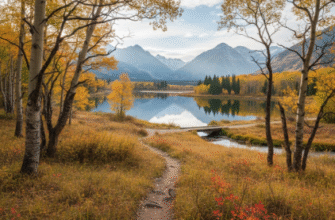
Here’s the thing about the Blue Ridge acoustic environment. The ridges create natural amphitheaters, which sounds like romantic nonsense until you’re standing in a cove and someone three hundred yards away starts playing a banjo and you can hear every individual string. The density of the forest, the way valleys channel sound upward—it’s not accidental that this became a music region. Ethnomusicologists have documented over 1,200 traditional ballads originating from this area, many of them basically unchanged from their Scottish antecedents, which is kind of eerie when you think about cultural preservation happening through sheer geographic isolation. The mountains kept these communities separate enough that their music didn’t homogenize the way it did in, say, piedmont regions with better roads.
I guess it makes sense that the heritage drive follows old trade routes. Highway 421, Route 194, the stretch of 221 through Blowing Rock—these were the paths people already used to visit each other, to trade, to court. Music traveled the same routes.
What You’ll Actually Encounter: A Realistic Inventory of Venues and Sessions
The official trail map lists 32 heritage sites, though I’ve only hit about half of them and some seemed pretty dormant last time I checked. The Crossnore School has a weaving room where you can watch demonstrations—not music, exactly, but connected to the same cultural ecosystem. Todd General Store hosts picker’s sessions most Saturdays, weather permitting, which is a frustrating caveat but accurate. The Foscoe Community Center does monthly dances with live string bands, and honestly the dancing is almost more interesting than the music itself—these old couple step routines that look nothing like modern line dancing. You’ll see maybe fifty people ranging from teenagers to folks in their eighties, all doing the same footwork patterns that apparently date back to English country dancing from the 1600s. Turns out motor memory persists across centuries, which I find both comforting and slightly unsettling.
The Gatekeeping Problem Nobody Wants to Discuss Directly
There’s a tension.
Tourism supports the musicians—the trail brings in revenue, creates audiences for festivals like Merle Watson Memorial Festival in Wilkesboro that draws 40,000+ attendees annually. But there’s also this palpable wariness from some of the old-time players about outsiders treating Appalachian culture like a theme park. I’ve definately felt it, that moment when you realize you’re the person with the expensive camera making the interaction weird. The music has always been participatory, not performative—you’re supposed to bring your instrument and contribute, not just recieve entertainment. Some venues explicitly encourage this; others have an invisible social barrier that’s hard to navigate if you didn’t grow up understanding the etiquette. Doc Watson used to talk about this balance, how professionalization changed mountain music in ways both necessary and corrosive. He died in 2012, but his influence still shapes how people think about authenticity on the trail.
Practical Considerations That the Brochures Downplay or Ignore Entirely
Cell service is intermittent to nonexistent in the hollows. GPS will confidently direct you down roads that stopped being maintained sometime during the Clinton administration. The venues aren’t professionally staffed—you’re often showing up to someone’s community center hoping the schedule you found online six months ago is still accurate, which it frequently isn’t. Late spring through early fall is ideal; winter makes the mountain roads genuinely treacherous, and a lot of the regular sessions just stop happening November through March anyway. Also, and I feel slightly ridiculous mentioning this, but the emotional intensity of hearing a 200-year-old murder ballad performed in the actual holler where the murder supposedly happened hits different than you’d expect. I cried during “Omie Wise” at a Jones House session last year, which wasn’t on my bingo card for the trip but there we are.
Anyway, the trail keeps evolving. Younger musicians are integrating clawhammer banjo with indie folk sensibilities, which purists hate and which probably keeps the tradition alive. Both things can be true.