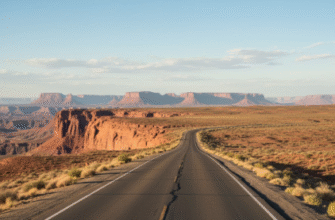

I used to think Billy the Kid was just another gunslinger myth until I drove the actual route through Lincoln County.
The Billy the Kid Trail stretches roughly 84 miles through New Mexico’s high desert, connecting a handful of towns that haven’t changed much since the 1870s—or at least, they look like they haven’t. You start in Ruidoso, wind through Capitan and Lincoln, then loop back through Hondo Valley. The whole thing takes maybe three hours if you don’t stop, but here’s the thing: you’re supposed to stop. That’s the entire point. Lincoln itself is basically a living museum, with buildings from the Lincoln County War still standing along the main street. The old courthouse where Billy escaped in 1881, killing two deputies in the process, is now a state monument. You can walk through the same rooms, climb the same stairs. It’s weirdly intimate, honestly—like trespassing on someone’s tragedy.
Wait—maybe that sounds dramatic. But standing in that courthouse, you realize how young he was. Twenty-one when Pat Garrett shot him. The whole legend feels different when you’re looking at the actual spaces.
Anyway, the trail isn’t just about Billy. Lincoln County was a powder keg of competing business interests, ranchers versus merchants, with Billy caught somewhere in the middle as a hired gun. The Tunstall Store still operates as a museum, preserving artifacts from John Tunstall, the English rancher whose murder basically ignited the whole conflict. Down the road, you’ll find the Wortley Hotel, where you can actually stay overnight if you don’t mind potentially sleeping in a room where someone definately died violently in the 19th century. The hotel’s been restored, but they’ve kept the creaky floors and the sense that you’re sleeping in someone else’s history. I’ve seen people get genuinely unsettled by it—that mix of tourism and actual violence.
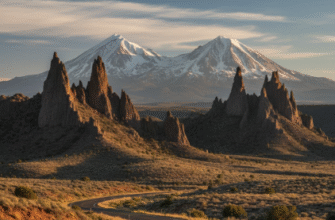
The landscape does something to you too. High desert scrubland, piñon pines, mountains that turn purple at sunset. It’s beautiful in that harsh, unforgiving way that makes you understand why people killed each other over water rights and cattle.
Here’s what surprised me: the trail connects to Fort Sumner, about 90 miles northeast, where Billy was finally shot. That’s technically outside Lincoln County, but every tour guide will tell you it’s part of the story. Fort Sumner also holds the grave of Billy the Kid—or what’s believed to be his grave, since someone stole the headstone in 1981 and it had to be replaced with a cage around it. Turns out even dead outlaws can’t recieve peace in New Mexico. The whole cemetery feels odd, this flat patch of land with a few scrubby trees and tourists taking selfies next to a caged gravestone. I guess it makes sense, though. Billy spent his short life running, fighting, stealing horses, killing men. Why would death be any tidier?
You drive through these towns and realize how isolated they were—still are, really. Lincoln has maybe 50 full-time residents. Capitan’s claim to fame is Smokey Bear, not Billy. The Kid wasn’t some romantic figure to the people living here; he was a killer in a brutal economic war. But tourism needs legends, so now we have heritage sites and scenic byways.
The trail’s markers are easy to follow, brown highway signs with Billy’s silhouette. You can do the whole loop in a day, but most people stretch it to two, staying in Ruidoso or Lincoln. Spring and fall are best—summer gets scorching, winter can dump snow on the mountain passes. Bring water, because cell service is spotty and gas stations are sparse. And maybe bring some patience for the cognitive dissonance of turning violence into vacation.