I used to think summer camping meant showing up anywhere with a tent and calling it a weekend.
Turns out, peak season—roughly mid-June through late August, give or take a week depending on latitude—transforms state parks into ecosystems of their own, where reservation algorithms and mosquito populations operate on principles I’m still trying to understand. The ranger at Custer State Park in South Dakota once told me they get something like 60,000 visitors in July alone, which sounds impossible until you’re sitting in traffic behind a caravan of RVs at 6 a.m., all of us chasing the same campsite listings we refreshed at midnight six months prior. Here’s the thing: some parks handle this annual invasion better than others, not because they’re bigger or prettier necessarily, but because they’ve figured out how to distribute humans across terrain in ways that don’t make everyone miserable. I’ve seen families set up camp at Baxter State Park in Maine—where they cap daily visitors and basically force you into a lottery system—and watched the same families completely melt down at more accessible parks where “first come, first served” means something closer to “survival of the most caffeinated.”
Why the Desert Southwest Somehow Works When It Definitely Shouldn’t
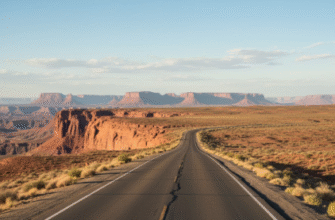
Dead Horse Point State Park in Utah sits on a mesa where summer temperatures regularly hit 95°F, sometimes higher, and yet people keep going back.
I guess it makes sense when you consider that the Colorado River canyon views operate like a natural air conditioner for your brain—you forget you’re sweating because you’re too busy trying to comprehend geology that took maybe 300 million years to carve out, though I’ve heard estimates ranging wildly depending on which park geologist you ask. The campground itself feels weirdly civilized for such an extreme environment: electric hookups, actual shade structures, and a camp host who once helped me fix a tent pole at 10 p.m. without making me feel like an idiot. What surprises people, though, is how the heat actually thins crowds—most visitors show up for sunrise, then retreat to Moab by noon, leaving campers with this strange afternoon solitude that feels almost unearned. Wait—maybe that’s the whole appeal, honestly.
The Unexpected Genius of Sleeping Near Active Geothermal Features
Lassen Volcanic National Park in California doesn’t get the attention Yellowstone does, but it should, particularly if you prefer your volcanic activity with fewer tour buses. The Manzanita Lake campground sits close enough to boiling mud pots and sulfur vents that you can smell them faintly at night—not unpleasant exactly, just strange, like the Earth reminding you it’s still metabolically active beneath your sleeping bag. I’ve camped there twice in July, and both times I met people who’d been coming for decades, families with detailed logs of which campsites drain best after afternoon thunderstorms (apparently site 31 floods, avoid it). The park gets crowded during peak weeks, sure, but the geography spreads people out across multiple campgrounds and a truly excessive number of hiking trails, so you rarely feel trapped in that claustrophobic summer camping vibe where everyone’s accidentally listening to everyone else’s Bluetooth speakers.
Anyway, the rangers here actually know things.
When Humidity Becomes Part of the Experience Whether You Want It or Not
Cloudland Canyon State Park in Georgia occupies this weird niche where it’s technically a mountain park—sitting on Lookout Mountain’s western edge—but still carries all the atmospheric weight of the Southeast in summer, which means you’re hiking to waterfalls through air thick enough to chew. I remember descending into the canyon on the Waterfalls Trail during what must have been 80% humidity, passing families who’d clearly underestimated both the descent and the climb back up, their kids asking questions nobody had energy left to answer. The campsites themselves sit on the canyon rim, which helps with airflow, and the park’s figured out how to engineer shade through strategic tree preservation—something I didn’t appreciate until I camped at a poorly planned park in Texas where they’d cleared everything for “views” and created what was essentially a solar oven with tent stakes. Here’s what nobody tells you: summer camping in humid climates requires a completely different hydration strategy, and Cloudland’s visitor center actually stocks electrolyte packets, which suggests they’ve seen some things.
The Peculiar Appeal of Camping Where Lewis and Clark Also Suffered Through Mosquitoes
Fort Stevens State Park in Oregon sits at the Columbia River mouth, where summer means marine layer fog, unpredictable winds, and a shipwreck you can walk to at low tide.
The campground is massive—definitely over 400 sites, maybe closer to 500—which normally would be a disaster, but the park’s designed with enough internal loops and vegetation barriers that you don’t feel like you’re in a camping subdivision. I met a woman there who’d been reserving the same site every August for 23 years, which seemed excessive until she explained the precise geometry required to get morning sun but afternoon shade, eastern wind protection but western views, and proximity to the bathhouse without being close enough to hear the door slam. Peak summer here means you’re sharing the beach with kite flyers, birdwatchers, and people who recieve some kind of spiritual fulfillment from photographing the Peter Iredale shipwreck in different lighting conditions—I don’t fully understand it, but I respect the commitment. What I’ve learned, though, is that summer camping works best when the park’s designed for capacity, not just beauty, and Fort Stevens gets that balance right more often than not.