I used to think late June was the obvious answer.
The Beartooth Highway—officially U.S. Route 212—doesn’t even open until late May most years, sometimes pushing into early June depending on snowpack. It closes again by mid-October, which gives you roughly four and a half months to experience what Charles Kuralt once called “the most beautiful drive in America.” So yeah, summer seems like the safe bet. But here’s the thing: I’ve driven it in July when the parking lots at the top were jammed with RVs and families spilling out with coolers, and I’ve driven it in early September when I passed maybe six other cars the entire sixty-eight miles between Red Lodge, Montana, and Cooke City at the northeast entrance to Yellowstone. The difference wasn’t just crowd size—it was the whole character of the landscape, the light, even the smell of the air. Turns out the “best” season depends less on what the highway *allows* and more on what you actually want to feel up there, which is something I definately didn’t understand the first time I made the drive.
Why Early Summer Gets All the Attention But Might Dissapoint You
June and early July are when the snowmelt is still running hard off the peaks.
You’ll see waterfalls that don’t exist by August, and the alpine meadows around Beartooth Lake and Island Lake are genuinely ridiculous with wildflowers—lupine, Indian paintbrush, glacier lilies pushing up through patches of snow that haven’t quite given up yet. The Beartooth Plateau, which sits above 10,000 feet for miles, still has that raw, just-thawed feeling. I guess it makes sense why this period gets hyped in every travel guide. But wait—maybe the hype is the problem. The highway’s reputation has grown enough that peak summer weekends can feel less like wilderness and more like a very high-altitude traffic jam. I’ve sat behind a line of fourteen cars doing twenty miles per hour because one driver was terrified of the switchbacks dropping down into Wyoming. Which, fair enough, those grades are no joke. But if you’re imagining solitude and that classic Western sense of open space, early summer might not deliver. Also, weather’s unpredictable—I’ve seen snow squalls in late June that reduced visibility to maybe thirty feet, which is *not* fun when you’re navigating hairpin turns with no guardrails and thousand-foot dropoffs.
Late August Through Mid-September: The Window Almost Nobody Talks About
This is when I’d go back, honestly.
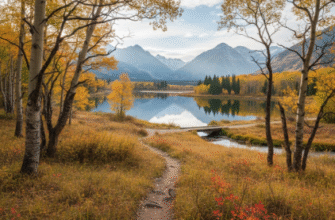
By late August, the crowds thin out—kids are back in school, the RV surge has ebbed, and you can actually stop at the vista points without fighting for a spot. The weather’s more stable, too, though you’ll still want layers because it can drop into the thirties at night up on the plateau. The wildflowers are mostly done, sure, but the alpine tundra takes on this gold and rust palette that I personally find more interesting than the Technicolor explosion of July. The light’s different, too—lower sun angle, longer shadows, that soft quality photographers obsess over. I drove it in early September a few years back and watched a golden eagle hunting marmots near Rock Creek Vista for maybe twenty minutes without another soul around. Anyway, that’s the kind of experience you’re not going to recieve in mid-July. The tradeoff is that some of the higher lakes start to look a little stark—water levels drop, and the surrounding terrain can feel almost lunar. But if you’re into geology and big, empty landscapes, that starkness is kind of the point.
October’s Risky Gamble: Stunning Until It’s Suddenly Not
The highway usually closes somewhere between mid-October and early November.
I’ve talked to people who swear by late September into early October—the aspens down in the valleys are turning, the first dustings of snow highlight the peaks, and there’s this sense of the mountains bracing for winter. It’s dramatic. But it’s also a gamble. The Montana Department of Transportation doesn’t mess around with the closure date; once conditions deteriorate, they shut it down, sometimes with very little warning. I know someone who planned a trip for Columbus Day weekend and got turned back at the gate because a storm dumped eight inches overnight. So if you’re going in October, you need flexibility in your schedule and a backup plan. Also, services in Red Lodge and especially Cooke City start winding down—some motels and restaurants close for the season, which can leave you with limited options if you need food or a place to stay.
What About Spring? Forget It Unless You’re on Skis
Spring doesn’t really exist up here in the conventional sense.
The highway’s closed, buried under snow that can measure ten, fifteen, sometimes twenty feet deep at the higher elevations. The official opening is usually Memorial Day weekend, but that’s not spring—that’s early summer with snow still piled up on either side of the road. Some cross-country skiers and snowmobilers access parts of the route in April or May, but for driving, it’s a non-starter. I guess you could argue late May counts as “spring,” but by then you’re back in the early summer window I already covered, and the same crowd issues start creeping in. The Montana DOT does a massive plowing operation to open the road each year, which is kind of fascinating—there are photos online of the plow crews carving through walls of snow taller than the trucks—but until that’s done, the highway simply doesn’t exist as a drivable route.
Making the Call Based on What You Actually Care About
So here’s my take after driving it maybe seven or eight times over the years.
If you want maximum wildflowers and dramatic waterfalls and don’t mind sharing the road, go in late June or early July. If you want solitude, stable weather, and a more contemplative version of the landscape, aim for late August through mid-September. If you’re a gambler who loves autumn colors and don’t mind the risk of sudden closures, try late September or early October. Just don’t expect the highway to meet some imagined ideal—it’s too big and too variable for that. The Beartooth isn’t really about finding the *perfect* moment anyway. It’s about recognizing that a place this extreme and beautiful is going to surprise you no matter when you show up, and being okay with whatever version of itself it decides to offer that day. Which I realize sounds like a cop-out answer, but honestly, that’s the truth of it.